UK Emergency Stockpile Campaign Boosts Bottled Water Sales
Bottled Water Sales Surge Following Government Emergency Advisory
The United Kingdom has witnessed a significant surge in bottled water purchases alongside increased demand for emergency supplies following the government's official guidance for households to prepare for potential crises. The Be Ready campaign, unveiled last week, has prompted unprecedented consumer interest in stockpiling essential items designed to sustain families for a minimum of 72 hours during emergencies.
This increase in bottled water sales represents a broader shift in consumer behavior as residents respond to governmental recommendations regarding preparedness for various threats. Retailers across the nation have documented sharp increases in transactions related to emergency supplies, reflecting growing public concern about infrastructure vulnerabilities and environmental hazards.
Range of Emergency Items Experiencing Increased Demand
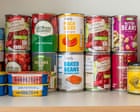
Beyond bottled water, the emergency preparedness movement has expanded to encompass a diverse array of survival essentials. Tinned food products have become particularly sought-after commodities, with supermarkets reporting record sales volumes. These non-perishable food items offer extended shelf life and practical nutrition solutions for households implementing emergency contingency plans.
Complementing these food and beverage purchases, retailers have noted substantial growth in the sales of wind-up radios and torches. These battery-independent devices provide critical communication and illumination capabilities during scenarios involving power outages or infrastructure disruptions. The demand for these items underscores public awareness regarding potential vulnerabilities in existing utility systems.
Government Be Ready Campaign Impact
The UK government's Be Ready initiative represents a coordinated effort to enhance national resilience through individual household preparedness. By encouraging citizens to accumulate essential supplies, authorities aim to distribute the burden of crisis response across residential populations rather than concentrating relief efforts on centralized emergency services.
The campaign specifically addresses concerns related to extreme weather events and potential cyber-attacks targeting critical infrastructure. These threats have gained increased visibility in public discourse, particularly following discussions about vulnerabilities in energy systems and digital networks. The government's decision to issue formal stockpiling recommendations reflects assessments of contemporary risk environments.
Retail Sector Response to Consumer Demand
Supermarket chains and emergency supply retailers have adapted their inventory management strategies to accommodate surging demand for bottled water and complementary emergency products. Supply chain logistics have been adjusted to ensure adequate stock levels of tinned goods, potable water containers, and survival equipment across retail locations nationwide.
This commercial response extends beyond traditional grocery outlets, with hardware stores and specialist retailers similarly experiencing increased customer traffic. The diversification of purchasing patterns suggests that emergency preparedness has transitioned from niche market interest to mainstream consumer consciousness.
73-Hour Preparedness Framework
The government's recommendation for households to maintain supplies sufficient for 72 hours establishes a practical baseline for emergency readiness. This timeframe accommodates potential disruptions to utility services, transportation networks, and food distribution systems. The three-day threshold represents an achievable target for average households seeking to enhance their resilience without implementing extensive modifications to living spaces.
Nutritional considerations inform the preference for tinned foods within emergency stockpiling strategies. These products offer complete meals or substantial dietary components without requiring refrigeration or cooking facilities dependent on conventional energy sources. Bottled water stockpiles similarly provide essential hydration supplies independent of municipal water systems that might be compromised during infrastructure crises.
Public Awareness and Preparedness Initiatives
The spike in bottled water and emergency supply sales demonstrates effective public communication regarding crisis preparedness. Government messaging has successfully translated policy recommendations into consumer action, creating measurable shifts in purchasing behavior across demographic segments. This grassroots implementation of emergency preparedness protocols represents a collaborative approach to national resilience.
Educational campaigns accompanying the Be Ready initiative have clarified specific threats and practical mitigation strategies, enabling households to make informed decisions about supply accumulation. Clear communication regarding the rationale behind preparedness recommendations has enhanced public buy-in and participation rates.
Looking Forward
The sustained interest in bottled water, tinned food, and emergency survival equipment suggests that households intend to maintain enhanced preparedness levels beyond the initial campaign period. This behavioral shift may represent a permanent adjustment in consumer attitudes toward emergency planning and household resilience measures.