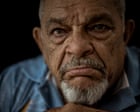
Shepard Fairey Creates Burnham Portrait for Big Issue Cover

Iconic Street Artist Shepard Fairey Documents PM's Homelessness Initiative
Shepard Fairey, the renowned American street artist whose "Hope" portrait defined Barack Obama's groundbreaking 2008 presidential campaign, has turned his artistic lens toward the UK. His latest commission for the Big Issue cover features Prime Minister Andy Burnham, channeling the same powerful visual language that made Shepard Fairey's Obama artwork one of the most recognizable political images of the contemporary era.
The decision to have Shepard Fairey create this portrait carries significant weight beyond mere artistic merit. The accomplished visual artist's choice of subject underscores the urgency and importance of the government's commitment regarding homelessness. This work marks another milestone in Shepard Fairey's career of leveraging artistic influence for social messaging.
The Legacy of Political Portraiture Through Shepard Fairey's Work
When Shepard Fairey produced the "Hope" poster during Obama's campaign, few anticipated its transformative impact on political discourse and visual culture. The image transcended traditional boundaries, becoming ubiquitous across billboards, merchandise, and social spaces worldwide. Its success proved that street art and portraiture could wield considerable influence in shaping public consciousness. The original artwork now resides in the Smithsonian Institution, cementing its place in American cultural history.
Fairey's artistic approach combines bold color palettes, simplified forms, and high-contrast compositions that demand attention. This distinctive style has made Shepard Fairey synonymous with socially conscious visual activism. Whether addressing political movements or humanitarian causes, his work consistently merges aesthetic sophistication with purposeful messaging.
Andy Burnham and the Rough Sleeping Commitment
The Big Issue commission featuring Andy Burnham serves a deliberate purpose within contemporary political discourse. According to Fairey himself, the image functions as both artistic statement and accountability mechanism. The portrait aims to maintain public focus on promises made regarding homelessness and street outreach initiatives.
Andy Burnham, in his capacity as Prime Minister, has pledged significant action addressing rough sleeping and housing insecurity. The intersection of Shepard Fairey's powerful visual language with Burnham's policy commitments creates a compelling narrative about political responsibility. By featuring Burnham on the Big Issue cover through Fairey's distinctive artistic lens, the collaboration underscores connections between government action and lived experience.
The Big Issue Platform and Social Messaging
The Big Issue magazine has long served as a platform bridging homeless communities and broader public consciousness. By commissioning Shepard Fairey to create this portrait of Andy Burnham, the publication leverages both artistic credibility and social mission. The cover functions simultaneously as commercial artwork and advocacy tool.
Featuring Shepard Fairey's interpretation of the Prime Minister on this particular platform amplifies specific messaging: that rough sleeping represents not merely an abstract policy concern but an immediate human reality requiring decisive action. The artistic collaboration transforms conventional political portraiture into something more provocative and purposeful.
Artistic Accountability and Visual Activism
Throughout his career, Shepard Fairey has maintained that visual art carries responsibility for truth-telling and social conscience. His approach to political portraiture—whether depicting Obama or Burnham—emphasizes holding power accountable through public discourse. The artist views each commission as opportunity to reinforce commitments and maintain public attention on pressing matters.
In this specific instance, Shepard Fairey's portrait becomes instrument for ensuring that promises regarding homelessness receive sustained focus. The Big Issue cover distribution means the image reaches precisely those communities most affected by rough sleeping and housing insecurity, creating direct connection between artistic statement and lived experience.
The Continuing Impact of Shepard Fairey's Visual Language
Beyond the immediate context of rough sleeping advocacy, this commission demonstrates Shepard Fairey's continuing relevance in political and social discourse. Decades after the iconic Obama portrait, the street artist maintains capacity to create images that resonate widely and spark meaningful conversation.
The choice to employ Shepard Fairey's distinctive visual vocabulary—bold colors, simplified features, direct emotional appeal—ensures the Andy Burnham portrait commands attention in crowded media environments. Where traditional political portraiture might fade into background noise, Shepard Fairey's approach demands engagement and contemplation.
This Big Issue commission represents evolution in both Shepard Fairey's career and contemporary understandings of artistic accountability. By creating this portrait, the accomplished artist reinforces fundamental principle: that visual culture and political reality remain inseparably intertwined, and that art maintains capacity to hold power accountable while speaking directly to communities most affected by policy decisions.