Artificial Ice Pyramids: How Himalayan Villages Secure Spring Water
Innovative Water Solutions in High-Altitude Communities
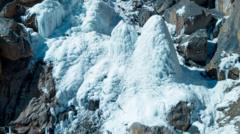
Artificial ice pyramids represent a groundbreaking approach that Himalayan villages have adopted to address critical water scarcity challenges. These ingenious structures, constructed from flowing water during winter months, create frozen reserves that slowly melt during spring, providing essential irrigation supplies for agricultural areas when natural water sources remain frozen or depleted.
The creation of artificial ice pyramids addresses a fundamental problem faced by mountain communities: the seasonal mismatch between water availability and crop cultivation needs. As global temperatures rise and natural glacier systems retreat, these communities have turned to this time-tested yet scientifically sound method to ensure their agricultural survival.
How Artificial Ice Pyramids Are Constructed
The construction process for artificial ice pyramids relies on simple physics and careful planning. During winter, when temperatures plummet in high-altitude regions, engineers and farmers direct water streams down steep slopes using pipes and channels. As the water cascades down these inclines, it freezes layer by layer, gradually forming enormous cone-shaped structures.
The design of these pyramids is deliberately engineered to maximize longevity. Their conical shape reduces surface area exposed to direct sunlight, thereby minimizing melting rates and extending the time these frozen reserves remain solid. The dark soil or ash applied to the pyramid's exterior further reduces solar radiation absorption, creating an insulating effect that preserves the ice deep into spring and early summer months.
Technical Specifications and Dimensions
Himalayan communities have perfected the dimensions of these structures through decades of experimentation. A typical artificial ice pyramid can reach heights of 50 meters or more, with base diameters spanning 100 meters or greater. A single pyramid can store millions of liters of water in frozen form, equivalent to the irrigation requirements for hundreds of acres of farmland throughout the crucial growing season.
Impact on Agricultural Productivity
The presence of artificial ice pyramids has transformed agricultural capabilities across mountain regions. Farmers who previously faced complete crop failure during dry springs now successfully cultivate apples, walnuts, apricots, and other cold-weather crops. The guaranteed water supply from these frozen reserves allows for planned irrigation schedules rather than relying on unpredictable natural water flows.
Communities employing artificial ice pyramids report significant improvements in food security and economic stability. The increased agricultural output supports local markets, creates employment opportunities, and reduces the need for food imports from lower-altitude regions, strengthening rural economies throughout the Himalayan zone.
Scaling Climate Adaptation Globally
The success of artificial ice pyramids in the Himalayas has attracted international attention from climate scientists and development organizations. This solution demonstrates how traditional ecological knowledge combined with modern engineering principles can create effective adaptations to climate change without requiring expensive external infrastructure or constant technological maintenance.
Researchers and environmental experts view artificial ice pyramids as a replicable model for other high-altitude regions facing similar water scarcity challenges. The methodology has already generated interest from communities in the Andes, Hindu Kush, and other mountain ranges worldwide.
Challenges and Future Development
Despite their effectiveness, artificial ice pyramids face ongoing challenges. Climate change accelerates melting rates and reduces the optimal window for pyramid construction. Additionally, not all mountain regions possess the ideal geographical conditions, water sources, or elevation profiles necessary for this technology.
Scientists continue researching methods to enhance pyramid durability and efficiency. Emerging studies explore innovative surface treatments, improved structural designs, and supplementary cooling techniques that could extend the viability of artificial ice pyramids in increasingly warm conditions.
Community Resilience and Sustainability
Beyond their immediate agricultural benefits, artificial ice pyramids represent a broader philosophy of community-driven sustainability. Mountain villages maintain control over their water resources through locally managed systems that require minimal external investment and demonstrate environmental stewardship adapted to regional conditions.
The artificial ice pyramid initiative exemplifies how innovative thinking at the grassroots level can address global challenges. As climate impacts intensify worldwide, these Himalayan villages showcase practical solutions that honor local knowledge, preserve mountain ecosystems, and ensure human survival in some of Earth's most challenging environments.


