Can Artificial Intelligence Help Combat Wildfires?
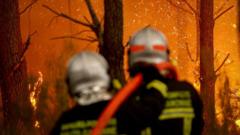
Technology's Growing Role in Wildfire Management
Wildfire technology is revolutionizing how authorities detect, monitor, and respond to devastating blazes across vulnerable regions. While artificial intelligence and advanced surveillance systems are becoming increasingly sophisticated, firefighters continue to play an irreplaceable role in actually extinguishing these dangerous fires and protecting communities from catastrophic losses.
The integration of cutting-edge tools into wildfire management represents a significant shift in how emergency services approach fire prevention and containment. From satellite imagery to ground-based sensors, these technological innovations provide real-time data that helps agencies make critical decisions during emergencies. However, the human element remains indispensable when it comes to the dangerous work of battling active flames and coordinating rescue efforts.
Advanced Detection Systems Transform Early Warning Capabilities
Modern wildfire technology now enables detection of fires in their earliest stages, often before they become visible to the naked eye. Thermal imaging cameras, infrared sensors, and machine learning algorithms work together to identify heat signatures and smoke patterns across vast landscapes. These systems can alert authorities within minutes of fire ignition, providing a crucial window for initial response efforts.
Satellite Monitoring and Real-Time Data
Satellite technology has become a cornerstone of wildfire prevention and tracking. Advanced satellites equipped with thermal sensors continuously monitor high-risk areas, transmitting data to command centers where specialists analyze potential threats. This information allows fire departments to position resources strategically and prepare firefighters for rapid deployment when necessary.
Ground-Based Sensor Networks
Complementing satellite systems, ground-based sensor networks provide hyper-local monitoring in critical zones. These devices measure temperature, humidity, wind speed, and vegetation moisture levels—all factors that influence fire behavior. When conditions become dangerous, automated alerts notify fire management agencies to heighten readiness and stage equipment accordingly.
Artificial Intelligence's Predictive Capabilities
Artificial intelligence systems analyze historical fire data, weather patterns, and geographical features to predict where future wildfires are most likely to occur. Machine learning models process millions of data points to create increasingly accurate forecasts, enabling proactive measures such as controlled burns, fuel reduction programs, and community preparedness initiatives. This predictive capability represents a fundamental advancement in wildfire technology strategy.
AI algorithms also assist in optimizing firefighter deployment by analyzing terrain, fire spread patterns, and available resources. These systems generate recommendations for tactical approaches that maximize safety while improving containment effectiveness. Nevertheless, experienced firefighters must still make final decisions based on real-time conditions and professional judgment that no algorithm can fully replicate.
The Irreplaceable Human Element in Fire Suppression
Despite remarkable advances in wildfire technology, the actual extinguishment of fires remains dependent on trained firefighters. These professionals face extreme dangers while operating aerial water drops, ground-based spraying equipment, and manual firefighting techniques. Their expertise, quick thinking, and courage cannot be replicated by technology alone.
Firefighters assess dynamic conditions on the ground, adapt strategies as fires behave unpredictably, and execute rescue operations to protect civilians. They work in collaboration with technology tools—using GPS navigation, real-time weather data, and communication systems—but their physical presence and decision-making capability remain essential to fire suppression success.
Collaborative Approaches for Future Wildfire Response
The most effective wildfire management strategies combine advanced technology with experienced firefighting teams. Agencies are increasingly implementing integrated systems where AI and sensors provide situational awareness, while human firefighters apply their expertise to actual firefighting operations. This synergistic approach leverages the strengths of both elements.
Training programs now emphasize technological literacy alongside traditional firefighting skills, ensuring that modern teams can effectively utilize wildfire technology tools during emergency responses. Investment in both sectors—technology development and firefighter recruitment—creates a comprehensive defense against increasingly severe wildfire seasons.
Looking Forward: Technology Enhancement, Not Replacement
The future of wildfire management will not involve technology replacing firefighters, but rather continuous enhancement of their capabilities through innovation. Emerging technologies such as autonomous drones for reconnaissance, advanced weather prediction models, and real-time communication platforms will provide firefighters with better information and tools to accomplish their critical missions more safely and effectively.
As wildfire seasons intensify due to climate and environmental factors, communities recognize that sustainable fire management requires investment in both technological infrastructure and human resources. The combination of sophisticated wildfire technology and dedicated firefighting professionals offers the best protection for lives, property, and natural landscapes in the years ahead.


