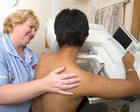
AI Detects Heart Disease in Women via Mammograms

AI Detects Heart Disease in Women Through Advanced Mammography Analysis
A groundbreaking discovery shows that AI detects heart disease in women by analyzing routine breast cancer screening images. Researchers have successfully developed artificial intelligence systems capable of identifying cardiovascular conditions during standard mammograms, revolutionizing how healthcare providers approach women's health screening.
The innovative approach allows medical professionals to simultaneously assess both breast tissue and cardiac risk factors, potentially preventing countless deaths from the leading cause of mortality in women worldwide. This dual-screening capability represents a significant advancement in preventive medicine and early disease detection.
How the Technology Works
Scientists employed sophisticated artificial intelligence algorithms to examine mammographic images with unprecedented precision. The AI detects heart disease in women by recognizing subtle vascular patterns and arterial calcifications visible in standard breast screening scans. The technology demonstrated remarkable accuracy in identifying women with coronary heart disease, indicating elevated blood pressure levels, or those with previous stroke history.
The methodology represents a paradigm shift in utilizing existing medical infrastructure. Rather than requiring additional diagnostic procedures, the system leverages data already collected during routine mammograms. This efficiency reduces healthcare burden while simultaneously expanding diagnostic capabilities.
Significance for Women's Cardiovascular Health
Heart disease remains the leading cause of death among women globally, yet it frequently goes undiagnosed until a catastrophic event occurs. AI detects heart disease in women at earlier stages when intervention proves most effective, potentially saving lives through timely medical intervention.
Current cardiovascular screening protocols often miss women who lack obvious symptoms or traditional risk factors. By integrating artificial intelligence analysis into existing mammography procedures, healthcare systems can identify at-risk patients who might otherwise remain unaware of their condition. This breakthrough particularly benefits women who avoid routine cardiac evaluations.
Clinical Implications and Future Potential
The findings suggest that breast cancer screening programs could evolve into comprehensive women's health assessments. AI technology that detects heart disease in women simultaneously addresses two major health threats, optimizing resource allocation within healthcare systems.
Researchers observed that the artificial intelligence successfully identified multiple cardiovascular conditions, including coronary artery disease, hypertension, and cerebrovascular events. The consistency of these identifications across diverse patient populations suggests strong potential for clinical implementation.
Transforming Preventive Medicine
This advancement reflects broader trends toward multifunctional medical imaging analysis. Rather than viewing diagnostic tools in isolation, integrated approaches allow AI detects heart disease in women through existing screening frameworks. Healthcare institutions worldwide are exploring how artificial intelligence can extract maximum value from available diagnostic data.
The technology promises particular benefits for underserved populations who access healthcare less frequently. Women participating in mammography programs gain additional health insights without requiring separate cardiovascular assessments or additional appointments, improving healthcare equity and accessibility.
Research Foundation and Expert Support
Medical professionals recognize this discovery as a significant step forward in women's health innovation. The successful application of AI detects heart disease in women represents years of development in machine learning and medical imaging analysis.
Experts emphasize that this approach does not replace traditional cardiac diagnostic methods but rather complements existing protocols. By identifying high-risk women during routine breast cancer screening, clinicians can prioritize comprehensive cardiovascular evaluations for those most likely to benefit.
Implementation Challenges and Considerations
While promising, widespread adoption requires addressing multiple factors. Healthcare providers must receive training in interpreting AI-generated cardiovascular assessments. Regulatory frameworks must establish clear guidelines for integrating these findings into clinical practice.
Additionally, AI detects heart disease in women most reliably when algorithms receive training using diverse patient populations. Ensuring equitable representation in development datasets remains crucial for creating universally applicable technology that serves all women regardless of demographic background.