
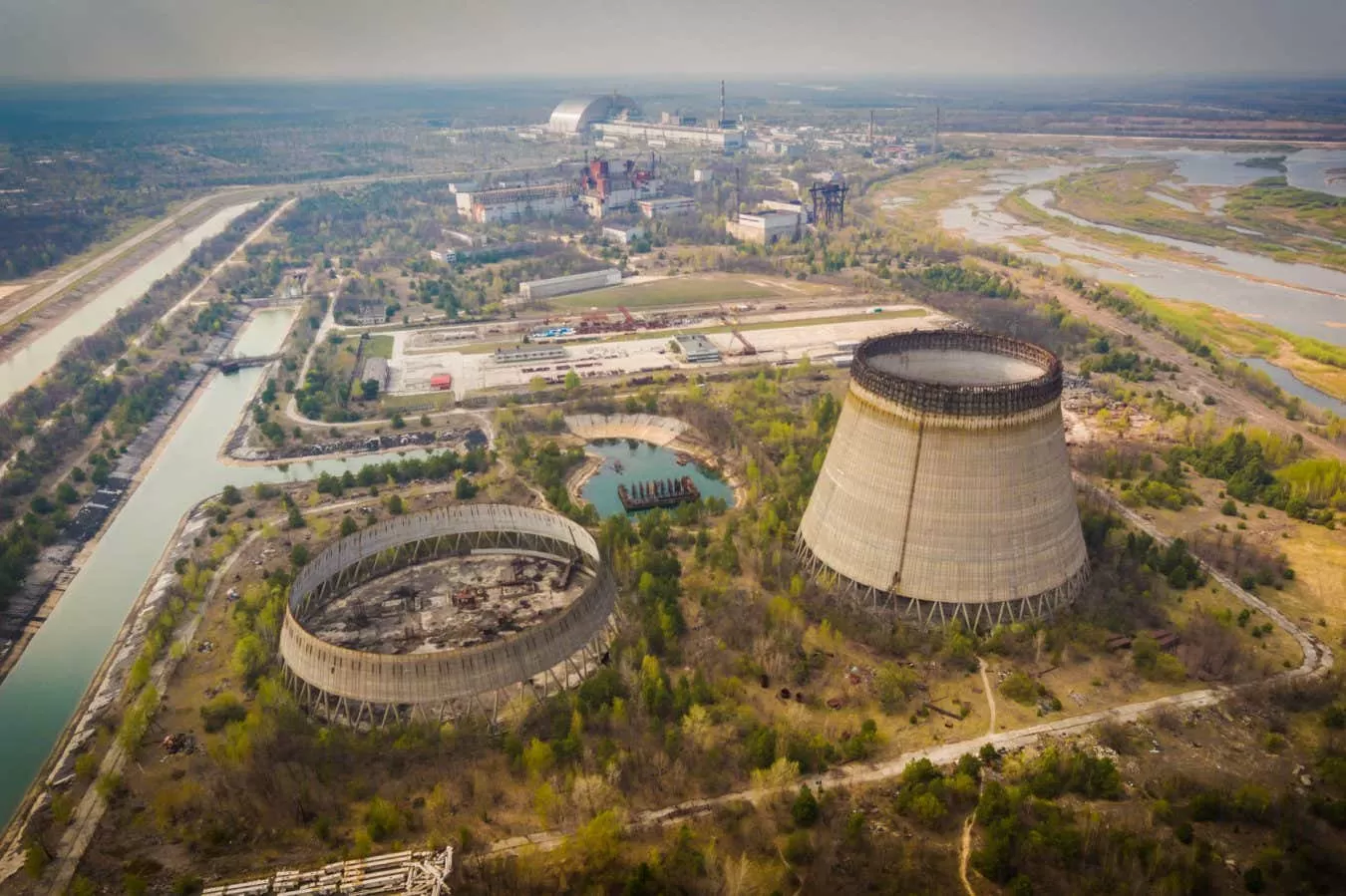
Forty years ago, on April 26th, 1986, the world witnessed the worst nuclear disaster in history. The explosion at the Chernobyl nuclear power plant sent shockwaves around the globe, leaving a trail of devastation and destruction. The impact of this disaster on the environment and human lives has been immeasurable. Today, as we mark the 40th anniversary of this tragic event, the safety of Chernobyl still hangs in the balance – but not for the reasons you might think.
The radiation risk at Chernobyl has long been a cause for concern. The area has been deemed unsafe for human habitation, and a 30-kilometer exclusion zone has been established to limit exposure to radiation. However, 40 years later, the radiation levels in the area have significantly decreased, making it possible for people to return to their homes and businesses. This is a testament to the incredible efforts of the cleanup workers and scientists who have worked tirelessly to contain the radiation and restore the area.
But despite the reduction in radiation levels, the safety of Chernobyl is still a pressing issue. The main concern now lies in the structural integrity of the aging sarcophagus that was built to contain the damaged reactor. This massive structure was hastily constructed in the aftermath of the disaster and was only meant to last for 30 years. As we approach the end of its lifespan, questions arise about what will happen to the reactor and the surrounding area.
The Ukrainian government, together with international organizations and experts, has been working on a solution to secure the damaged reactor and prevent any further leaks of radiation. After years of research and planning, a new confinement structure, known as the New Safe Confinement (NSC), was built to enclose the old sarcophagus. This structure is the largest movable land-based structure ever built, and it will cover the reactor for the next 100 years. Not only will it prevent any further radiation leaks, but it will also allow for the safe dismantling of the old sarcophagus.
The completion of the NSC is a significant milestone in the efforts to secure Chernobyl. It is a testament to the determination and collaboration of governments and organizations around the world to address the threat of nuclear disasters. But this is not the end; there is still much work to be done to ensure the long-term safety of Chernobyl.
One of the main challenges that remain is the safe disposal of the radioactive waste from the damaged reactor. Currently, the waste is stored in a temporary facility, but plans are underway to build a permanent storage site. This will require the development of new technologies and expertise to handle the highly radioactive material safely. The international community must continue to support Ukraine in this effort to prevent any potential risks to the environment and human health.
Another crucial aspect of ensuring the safety of Chernobyl is the ongoing monitoring of the area. Despite the reduction in radiation levels, the area still poses risks, and constant monitoring is necessary to identify any changes and take necessary actions. The Ukrainian government, together with international organizations, has established a comprehensive monitoring system to track the environmental, biological, and health impacts of the disaster. This data is crucial in understanding the long-term effects of the disaster and implementing necessary measures to mitigate any risks.
The disaster at Chernobyl was a wake-up call for the world to prioritize safety and regulation in the nuclear industry. It also highlighted the importance of international cooperation in addressing global issues. Today, as we look back at the 40 years since the disaster, we can see the progress that has been made in securing Chernobyl. While the safety of the area is still a concern, we can take comfort in the fact that the international community is working together to find solutions.
In conclusion, the 40th anniversary of the Chernobyl disaster is a reminder of the importance of nuclear safety and the need for continued efforts to secure the area. The completion of the New Safe Confinement is a significant step towards achieving this goal, but there is still much to be done. As we continue to learn from the mistakes of the past, we must also look towards the future and ensure that the safety of Chernobyl remains a top priority. With the determination and cooperation of the international community, we can ensure that the legacy of Chernobyl is one of resilience and progress.
