
“I’m stressed.” It’s a phrase that has become all too common in our fast-paced, modern world. From work deadlines to family responsibilities, it seems like there’s always something to worry about. But what if I told you that there are now ways to shed light on how stressed you actually are? That’s right, with the help of technology and self-awareness, we can now better understand and manage our stress levels.
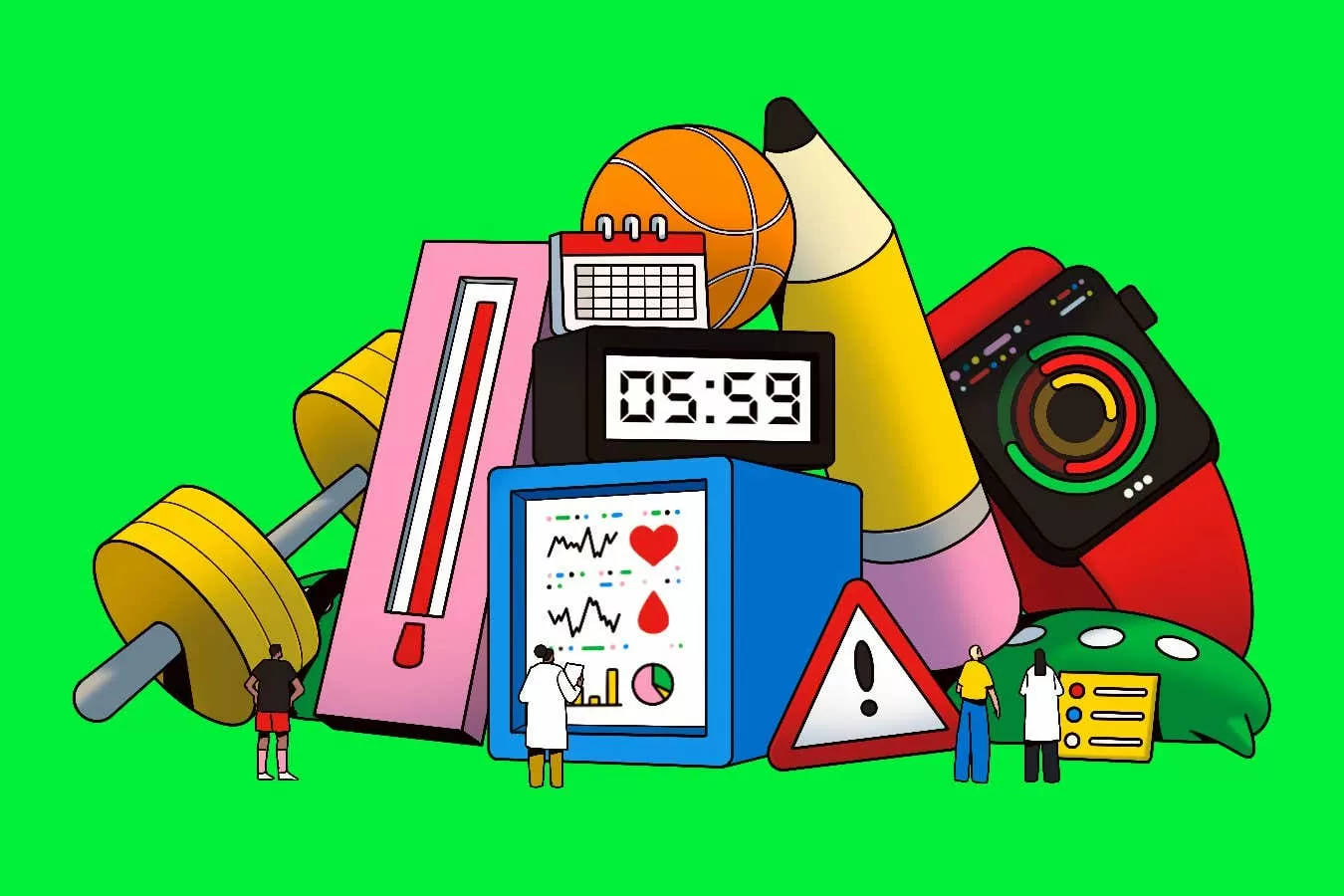
First, let’s talk about technology. With the rise of smartphones and wearable devices, there are now countless apps and gadgets that can track our stress levels. These devices use sensors to measure our heart rate, breathing patterns, and even skin temperature to determine our stress levels. Some apps even use voice analysis to detect changes in our tone and pitch, which can indicate stress or anxiety.
But why is it important to track our stress levels? Well, for starters, stress can have a major impact on our physical and mental health. It can lead to headaches, muscle tension, and fatigue, as well as anxiety, depression, and other mental health issues. By monitoring our stress levels, we can become more aware of how our bodies and minds are reacting to different situations and take steps to manage our stress before it becomes overwhelming.
So, how can we use this technology to our advantage? One way is to set reminders to check in with ourselves throughout the day. This can be as simple as taking a few deep breaths and checking our heart rate on our smartwatch. If we notice that our heart rate is elevated or our breathing is shallow, it may be a sign that we need to take a break and practice some relaxation techniques.
Another way to use technology to manage stress is by using meditation and mindfulness apps. These apps offer guided meditations, breathing exercises, and other tools to help us relax and reduce stress. They can also track our progress and provide insights into our stress levels over time.
But technology is not the only tool we have to shed light on our stress levels. Self-awareness is also key. It’s important to pay attention to our thoughts, feelings, and behaviors to better understand how stress is affecting us. For example, if we notice that we are constantly worrying about the future or feeling overwhelmed, it may be a sign that we need to take a step back and reevaluate our priorities.
Self-awareness also involves recognizing our triggers. What situations or events tend to cause us the most stress? Is it a demanding boss, a difficult relationship, or financial worries? By identifying our triggers, we can take proactive steps to manage them and reduce our stress levels.
In addition to self-awareness, it’s important to practice self-care. This means taking care of our physical, mental, and emotional well-being. It can be as simple as getting enough sleep, eating a healthy diet, and making time for activities we enjoy. When we prioritize self-care, we are better equipped to handle stress and prevent it from taking over our lives.
It’s also important to remember that stress is a natural part of life. We can’t eliminate it completely, but we can learn to manage it in healthy ways. This may involve seeking support from friends and family, talking to a therapist, or finding a stress management program that works for us.
In conclusion, the phrase “I’m stressed” may be all too common, but now we have the tools and resources to better understand and manage our stress levels. By using technology, practicing self-awareness, and prioritizing self-care, we can shed light on our stress and take control of our well-being. So the next time you feel overwhelmed, remember that there are ways to manage your stress and live a happier, healthier life.
