
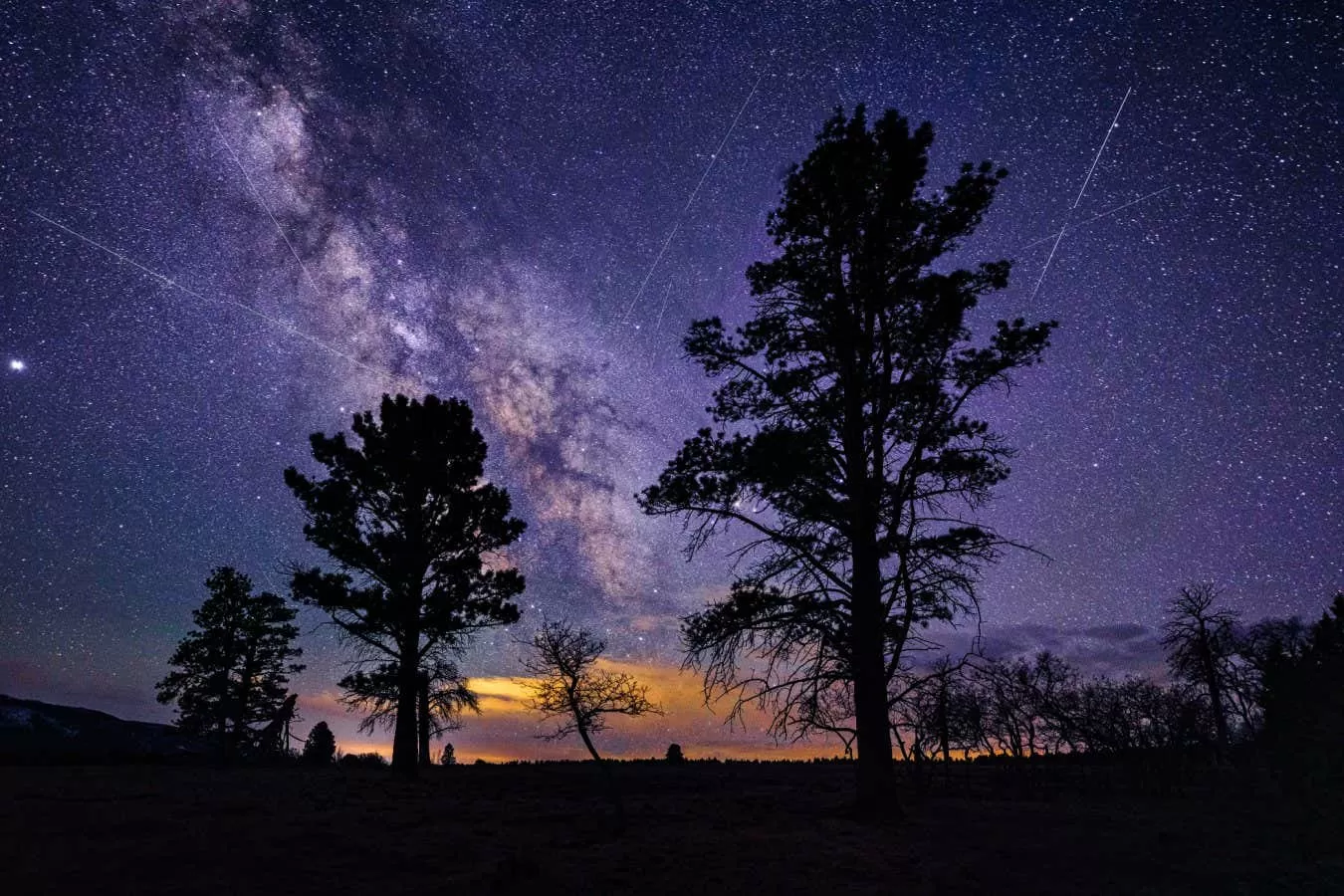
The Lyrid meteor shower is a spectacular event that occurs every year, and this year it will soon hit its peak. The Lyrids are known for their bright and fast-moving meteors, making it one of the most anticipated meteor showers for stargazers. If you are one of those who love to gaze at the night sky and witness this celestial phenomenon, then get ready to mark your calendars for the peak of the Lyrid meteor shower.
According to experts, the Lyrid meteor shower is expected to occur on the night of April 21st and early morning of April 22nd. This makes it the perfect time to grab your binoculars and head out for a night of stargazing. But if you are new to stargazing or not quite familiar with the Lyrids, don’t worry! The New Scientist stargazing companion has got you covered.
The New Scientist stargazing companion is a must-have for all astronomy enthusiasts. It is a comprehensive guide that provides valuable information and tips for stargazing, including how to spot the Lyrid meteor shower. The companion is packed with detailed sky charts, easy-to-follow instructions, and interesting facts about the Lyrids, making it the perfect tool for anyone who wants to witness this cosmic spectacle.
So, how can you spot the Lyrid meteor shower using the New Scientist stargazing companion? Here’s a step-by-step guide to help you get the best view of this mesmerizing event:
Step 1: Find a location with a clear view of the sky
The first step to stargazing is finding a location with minimal light pollution. This means avoiding bright city lights and heading to a more remote area with a clear view of the night sky. The New Scientist stargazing companion recommends finding a spot away from tall buildings and trees to get an unobstructed view of the meteor shower.
Step 2: Check the time and date of the peak
The next step is to check the time and date of the peak of the Lyrid meteor shower. As mentioned earlier, the peak is expected to occur on the night of April 21st and early morning of April 22nd. However, the Lyrids are known to be unpredictable, so it’s best to start your stargazing session a few hours before the expected peak time.
Step 3: Use the New Scientist stargazing companion
Once you have found the perfect location and have the peak time in mind, it’s time to use the New Scientist stargazing companion. The companion provides a detailed map of the night sky, making it easier for you to locate the constellation Lyra, where the meteors will appear to originate from. Simply follow the instructions and use the sky chart to spot the Lyrids.
Step 4: Be patient and keep an eye on the sky
Stargazing requires patience, and the same goes for the Lyrid meteor shower. It’s essential to keep an eye on the sky and be patient as the meteors can appear at any moment. It’s best to lie down on a blanket or a reclining chair and look up at the sky. The New Scientist stargazing companion suggests giving yourself at least an hour to observe the meteor shower.
Step 5: Enjoy the show!
Now that you have followed all the steps and have your New Scientist stargazing companion by your side, it’s time to sit back, relax, and enjoy the show. The Lyrid meteor shower is a breathtaking sight, with an average of 10-20 meteors per hour. So, be prepared to witness a stunning display of shooting stars.
In conclusion, the Lyrid meteor shower is a must-see event for all stargazers, and the New Scientist stargazing companion is the perfect tool to help you spot it. With its detailed sky charts, easy-to-follow instructions, and interesting facts, the companion makes stargazing an enjoyable and educational experience. So, grab your companion, head out to a dark location, and get ready to witness the spectacular Lyrid meteor shower. Happy stargazing!
