
As human beings, we all have an innate fear of death. The thought of leaving behind our loved ones and the uncertainty of what lies beyond can be overwhelming. However, for those who are terminally ill, this fear becomes a harsh reality. They are faced with the inevitability of their own mortality and the difficult task of accepting the dying process.
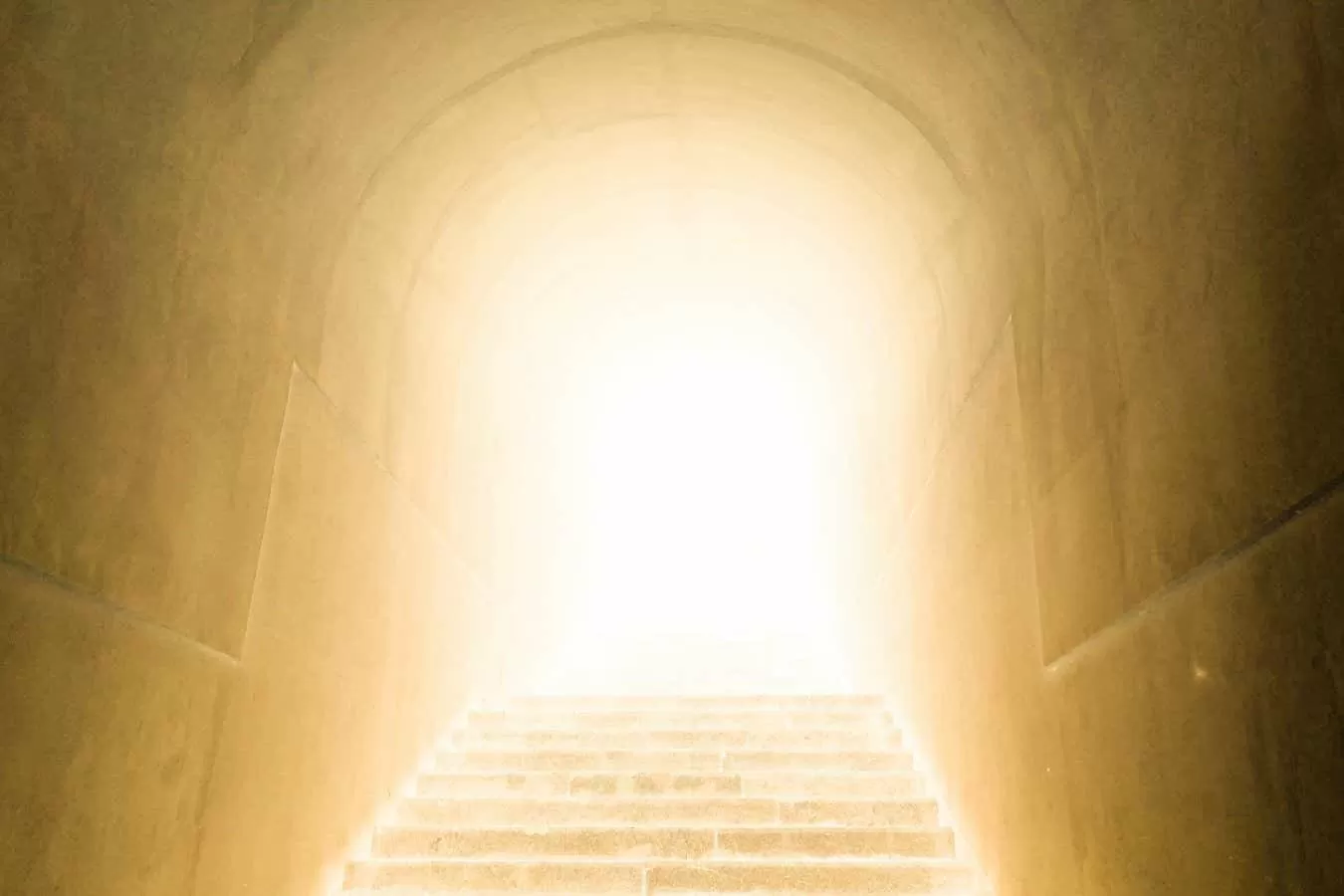
But amidst the pain and struggle, there is a phenomenon that has been reported by many terminally ill individuals – the reunion with lost loved ones in their dreams and visions. These experiences have been described as comforting and have helped many patients come to terms with their impending death. In addition, many have also reported seeing doors, stairways, and light in their visions, which are believed to be symbolic representations of the journey towards the afterlife.
The concept of reuniting with loved ones in dreams and visions is not a new one. In fact, it has been a part of many cultures and religious beliefs for centuries. In ancient Egyptian mythology, it was believed that the deceased would journey through the underworld and be reunited with their loved ones in the afterlife. Similarly, in Hinduism, it is believed that the soul of the deceased must journey through seven levels to reach the afterlife, where they are reunited with their ancestors.
But what is it about these dreams and visions that bring comfort to the terminally ill? Many experts believe that these experiences are a way for the mind to cope with the impending death. They can be seen as a form of psychological defense mechanism, providing a sense of peace and closure to the patient. It allows them to say goodbye to their loved ones and prepares them for the journey ahead.
Moreover, these dreams and visions have also been reported to have a profound impact on the families and loved ones of the terminally ill. They provide a sense of reassurance and comfort, knowing that their loved one will be reunited with those who have passed before them. It also helps them to accept the inevitable and find solace in the fact that their loved one will not be alone in their final moments.
The symbolism of doors, stairways, and light in these experiences is also significant. Doors are often seen as a passage between two worlds, representing the transition from life to death. Stairways can be seen as a journey towards the afterlife, with each step bringing the individual closer to their destination. And light, often associated with hope and positivity, symbolizes the final destination – the afterlife.
While these dreams and visions may seem like a mere hallucination to some, for those who have experienced them, they hold a deeper meaning. They provide a sense of comfort and acceptance, allowing the terminally ill to find peace in their final days. It allows them to let go of any regrets or unfinished business and focus on the love and memories shared with their loved ones.
In addition to the emotional and psychological benefits, these dreams and visions have also been reported to have a positive impact on the physical well-being of the terminally ill. Many have reported feeling a sense of calmness and reduced pain after these experiences. It is believed that this is due to the release of endorphins, the body’s natural painkillers, triggered by the positive emotions associated with the visions.
However, it is important to note that not everyone may experience these dreams and visions. Each individual’s journey towards the afterlife is unique and personal. Some may find comfort in these experiences, while others may not. It is also important to seek medical and emotional support during this difficult time, as these experiences should not be seen as a replacement for proper care and treatment.
In conclusion, the reunion with lost loved ones in dreams and visions, along with the symbolism of doors, stairways, and light, have proven to be a source of comfort and acceptance for many terminally ill individuals. It allows them to find peace and closure in their final days, and provides reassurance to their families and loved ones. These experiences may be seen as a way for the mind to cope with the inevitability of death, and should be embraced with an open heart and mind.
