
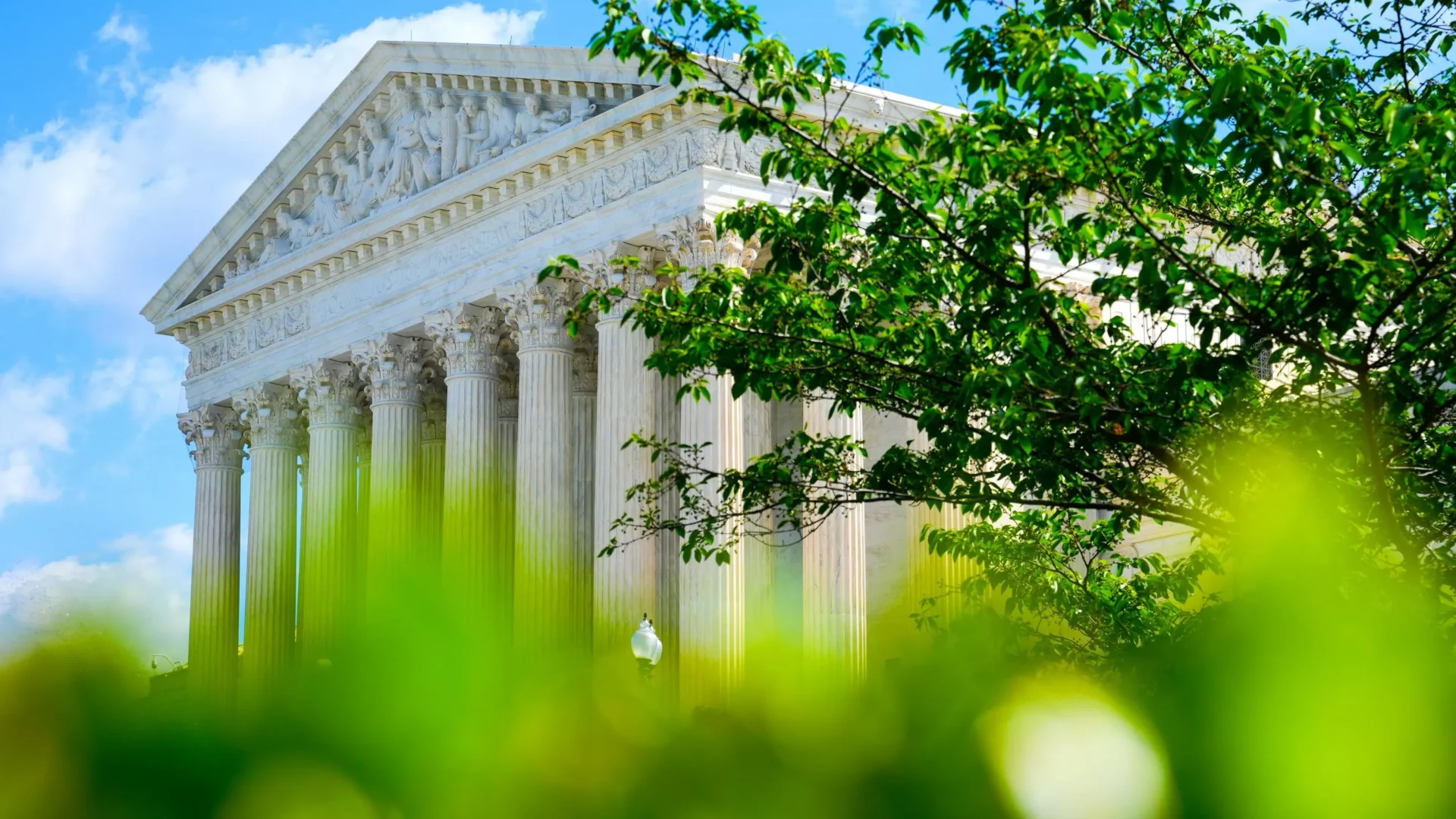
The Supreme Court of the United States has recently announced that it will hear the case of Catholic preschools in Colorado who claim that their religious rights have been violated by the state. The preschools argue that they have been unfairly excluded from a state-funded program due to their admission policies, which are based on their religious beliefs.
This case has sparked a heated debate about the balance between religious freedom and government funding. The outcome of the Supreme Court’s decision will have far-reaching implications for religious schools and organizations across the country.
The dispute began when the Colorado Department of Human Services denied funding to Catholic preschools participating in the state’s preschool program, known as the Colorado Preschool Program (CPP). The program provides funding to preschools that serve low-income families, with the goal of preparing children for kindergarten.
The Catholic preschools, represented by the Alliance Defending Freedom, argue that they were excluded from the CPP solely because of their religious beliefs. The CPP requires participating schools to comply with certain non-discrimination policies, including not discriminating against students based on religion. However, the Catholic preschools maintain that their admission policies are in line with their religious teachings and not discriminatory in any way.
The Catholic preschools also argue that their exclusion from the CPP is a violation of their First Amendment rights to free exercise of religion. They claim that the state is discriminating against them based on their religious beliefs and that this is a clear infringement on their religious freedom.
On the other hand, the state of Colorado argues that the denial of funding was based on the preschools’ admission policies, not their religious beliefs. They claim that the CPP is a secular program and that all participating schools must comply with the non-discrimination policies.
This case raises important questions about the balance between religious freedom and government funding. Should religious organizations be held to the same non-discrimination standards as secular organizations when receiving government funds? Or should they be allowed to operate according to their own religious beliefs?
The Catholic preschools argue that their exclusion from the CPP has had a significant impact on their ability to serve low-income families. Without the funding, they are unable to offer the same level of quality education and resources as other participating schools. This, in turn, affects the families who rely on the program to provide their children with a strong foundation for their education.
It is not just the Catholic preschools that are affected by this case. The outcome of the Supreme Court’s decision will have implications for all religious organizations that receive government funding. If the court rules in favor of the Catholic preschools, it could set a precedent for other religious schools and organizations to continue operating according to their religious beliefs without fear of discrimination.
This case also highlights the importance of religious freedom in our society. The United States was founded on the principle of religious freedom, and it is crucial that this fundamental right is protected. Allowing the state to dictate how religious organizations operate goes against the very principles upon which this nation was built.
The Supreme Court’s decision in this case will have a significant impact on the future of religious freedom in America. It is vital that the court recognizes the importance of protecting the religious beliefs and practices of all individuals and organizations, regardless of whether they receive government funding.
In conclusion, the Supreme Court’s decision to hear the case of Catholic preschools in Colorado is an important step in protecting religious freedom in America. This case has sparked a necessary discussion about the balance between religious freedom and government funding, and it is crucial that the court makes a decision that upholds the principles upon which this nation was founded. Let us hope that the outcome of this case will be a positive one for all those who value religious freedom.
