
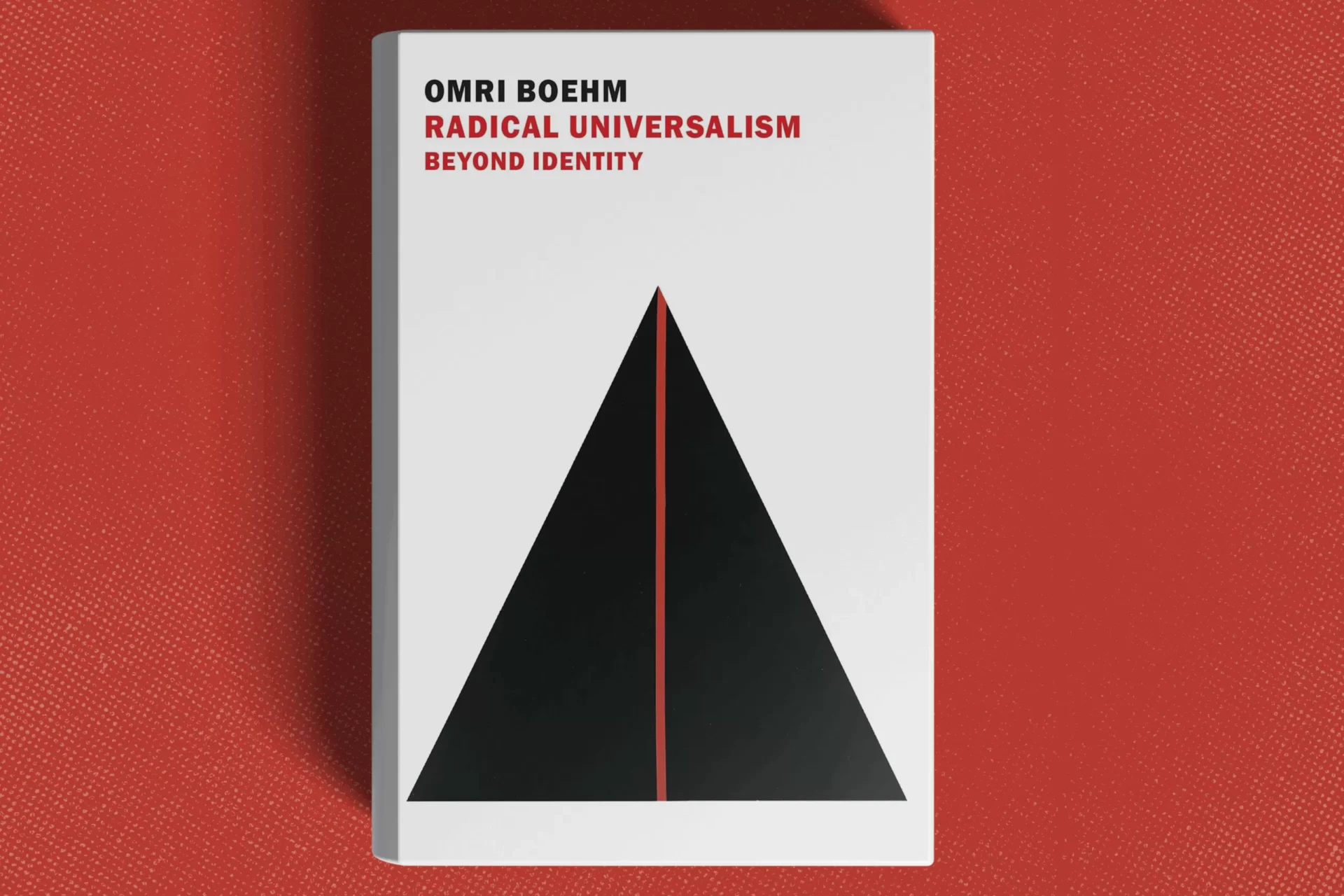
In today’s political climate, identity politics has become a dominant force, with people increasingly identifying themselves based on their race, gender, religion, or sexual orientation. This has led to a rise in tribalism and a dangerous division among individuals and communities. However, philosopher Omri Boehm argues that this focus on identity is detrimental to the concept of universal human dignity. In his thought-provoking work, Boehm makes a compelling case for why universal human dignity must take precedence over identity politics.
Boehm’s argument is rooted in the idea that every human being, regardless of their race, gender, or any other identity marker, possesses inherent worth and value. This concept of universal human dignity is based on the belief that all individuals are equal and deserve equal respect and treatment. However, identity politics undermines this fundamental principle by placing emphasis on group identity rather than individual worth.
One of the main criticisms of identity politics is that it creates an “us vs. them” mentality, where individuals are defined by their group identity and are pitted against each other. This leads to a dangerous cycle of division, where one group’s gain is seen as another group’s loss. In contrast, universal human dignity recognizes the inherent worth of every individual, regardless of their identity. It promotes unity and cooperation rather than division and conflict.
Moreover, identity politics often leads to a hierarchy of victimhood, where certain groups are deemed more oppressed than others. This not only creates a false narrative of victimhood but also perpetuates a cycle of resentment and blame. In contrast, universal human dignity acknowledges that all individuals have faced struggles and challenges in their lives, and it is not a competition of who has suffered more. It promotes empathy and understanding rather than competition and resentment.
Furthermore, identity politics often relies on essentialist and stereotypical notions of identity, reducing individuals to a single aspect of their identity. This not only oversimplifies complex human beings but also reinforces harmful stereotypes. In contrast, universal human dignity recognizes that individuals are multifaceted and cannot be reduced to a single identity. It celebrates diversity and individuality rather than promoting narrow and limiting definitions of identity.
Boehm also argues that identity politics is often used as a tool for power and control. By defining individuals based on their identity, it allows certain groups to claim a moral high ground and silence dissenting voices. This not only goes against the principles of free speech and open dialogue but also hinders progress and meaningful change. In contrast, universal human dignity promotes inclusivity and encourages diverse perspectives and opinions.
Some may argue that identity politics is necessary to address systemic inequalities and injustices faced by marginalized communities. However, Boehm argues that universal human dignity is the foundation for any meaningful social change. By recognizing the inherent worth of every individual, it creates a moral imperative to fight against any form of discrimination and injustice. It also promotes a sense of shared humanity, where individuals from different backgrounds can come together to work towards a common goal.
In conclusion, philosopher Omri Boehm makes a powerful case for why universal human dignity must take precedence over identity politics. By focusing on individual worth rather than group identity, it promotes unity, empathy, and inclusivity. In today’s polarized world, it is more important than ever to recognize the value of every human being and work towards a society that upholds universal human dignity for all. As Boehm eloquently states, “We must not allow identity politics to divide us, but rather unite us under the banner of universal human dignity.”
