Ukrainian Forces Strike Russian Grain Export Hubs in Black Sea Port Assault
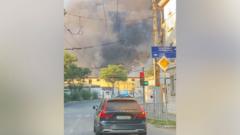
Russian Grain Export Terminals Face Strategic Strike in Black Sea Region
Russian grain export terminals have become primary targets in an escalating series of military operations affecting the critical shipping corridors of the Black Sea. The attack on these essential port facilities underscores the intensifying conflict between Russia and Ukraine, with both nations systematically dismantling each other's maritime infrastructure and commercial capabilities.
The strategic significance of Russian grain export terminals cannot be overstated, as they represent vital economic assets responsible for transporting agricultural products to international markets. These facilities serve as crucial nodes in global supply chains, connecting producers with buyers across multiple continents. The targeting of such infrastructure demonstrates how modern conflicts extend beyond traditional military engagements to encompass economic warfare and trade disruption.
Declining Grain Exports and Market Impact
Both Russian and Ukrainian grain shipments have experienced substantial declines as the conflict persists and intensifies. The reduction in export volumes from these major agricultural producers has reverberating consequences throughout global commodity markets. Grain represents a cornerstone of international food security, and disruptions to supply chains originating from the Black Sea region create significant ripple effects in emerging and developed economies alike.
The diminishing capacity of Russian grain export terminals to function at optimal levels directly correlates with broader economic sanctions and military operations targeting port infrastructure. Storage facilities, loading equipment, and terminal operations have all experienced varying degrees of damage or operational constraints, forcing exporters to seek alternative logistics routes and methods for moving their products.
Reciprocal Maritime Attacks and Strategic Implications
The pattern of mutual attacks on shipping facilities reflects a deliberate strategy by both combatants to weaken the economic capacity of their opponent. Ukrainian forces have strategically focused on disrupting Russian grain export terminals and related maritime infrastructure, while Russian forces have similarly targeted Ukrainian port facilities and vessels. This reciprocal approach to economic targeting has created an unpredictable and volatile shipping environment in the Black Sea.
The consequences of these maritime strikes extend beyond immediate export reductions. Insurance premiums for shipping operations have increased substantially, transportation companies face navigational challenges and security concerns, and businesses dependent on these supply routes must adapt their sourcing strategies. The instability affecting grain trade demonstrates how military conflicts in specific geographic regions can create global economic pressures affecting food availability and affordability.
Global Grain Market Realignment
As Russian and Ukrainian grain export volumes continue to decline, alternative suppliers and export routes gain market significance. Countries such as Argentina, Canada, and Australia have observed increased demand for their agricultural exports as buyers diversify their sourcing to mitigate supply chain risks. This realignment of global grain markets carries long-term implications for agricultural economics, trade relationships, and food security strategies worldwide.
The sustained damage to Russian grain export terminals and Ukrainian port facilities has prompted industry participants and governments to explore alternative shipping corridors and export mechanisms. Some grain shipments now traverse longer routes to reach international markets, adding transportation costs and transit time to the supply chain. These additional expenses ultimately impact consumer prices and agricultural profitability across numerous countries.
Future Outlook for Black Sea Shipping and Grain Trade
The trajectory of grain exports from the Black Sea region remains uncertain as military operations continue. Reconstruction timelines for damaged Russian grain export terminals and port infrastructure cannot be reliably estimated given the ongoing nature of the conflict. Stakeholders in the agricultural and shipping industries face difficult planning decisions with incomplete information about potential ceasefire scenarios, negotiations, or escalation patterns.
The international community continues monitoring the situation closely, recognizing that sustained disruptions to grain supplies from Russia and Ukraine carry profound implications for global food security, economic stability, and geopolitical relationships. Strategic negotiations regarding humanitarian corridors and safe passage for commercial vessels represent ongoing diplomatic efforts aimed at mitigating the humanitarian and economic consequences of maritime infrastructure attacks.


