UK Residents Stockpile Essentials Following Government Emergency Guidance

Government Launches Emergency Preparedness Initiative
UK residents are increasingly following official recommendations regarding emergency supply storage, with many households now accumulating essential items as part of a broader national preparedness strategy. The government's recent campaign has prompted citizens across the nation to gather three days' worth of critical supplies, establishing a safety buffer against various potential crises ranging from natural disasters to infrastructure failures.
This coordinated UK stockpiling initiative reflects growing concerns about climate-related emergencies and geopolitical tensions, according to officials who unveiled the guidance framework this week. The campaign represents a systematic approach to civilian resilience, encouraging families to prepare without creating widespread panic or supply chain disruptions.
What Citizens Are Gathering
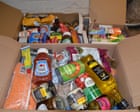
The recommended UK stockpiling list extends far beyond basic provisions. Households participating in this preparedness movement are accumulating freeze-dried vegetables, tinned proteins, and shelf-stable milk alternatives alongside traditional bottled water reserves. Medicine cabinets are being supplemented with additional prescription supplies and over-the-counter medications, while portable power banks and solar chargers have emerged as increasingly popular storage items.
Additional items gaining prominence in British household preparedness inventories include first-aid kits, waterproof flashlights, battery-powered radios, and comprehensive documentation storage solutions. Sanitation essentials, including biodegradable waste bags and hygiene products, feature prominently in government recommendations, though toilet paper remains a nostalgic reference to pandemic-era shortages that captured public imagination.
Timeline and Official Recommendations
The government formally announced its emergency stockpiling guidance during the week, presenting a comprehensive framework designed to guide civilian preparation efforts. Rather than suggesting indefinite accumulation, officials specifically recommend maintaining three days' worth of supplies—a timeframe officials believe sufficient for most emergency scenarios requiring temporary self-sufficiency.
This measured approach distinguishes the current campaign from previous government communications about emergency preparedness. By establishing a defined timeframe rather than open-ended recommendations, authorities aim to encourage practical preparation while preventing hoarding behaviors that could strain retail availability or create economic instability.
Context and Driving Factors
Multiple converging circumstances have prompted this UK stockpiling guidance. Officials have publicly acknowledged concerns regarding Russian state-sponsored activities potentially targeting critical infrastructure, highlighting vulnerabilities in energy distribution networks and communication systems. Simultaneously, climate scientists continue emphasizing increased frequency of severe weather events—from flooding to extended power outages—that could disrupt normal supply chains temporarily.
The combination of security concerns and environmental considerations has created an urgent context for civilian preparedness initiatives. Rather than waiting for crises to strike unprepared, the government strategy positions advance planning as responsible household management. This approach democratizes emergency response, distributing preparation responsibilities across millions of households rather than concentrating all resources in centralized emergency services.
Public Response and Implementation
Many British residents are already substantially advanced in their UK stockpiling efforts, having independently recognized emerging risks and begun preparation ahead of official campaigns. These proactive households serve as informal examples within their communities, demonstrating practical approaches to supply organization and storage rotation that maintain product freshness while ensuring availability during emergencies.
Retail patterns reflect this shifting consumer behavior, with certain product categories experiencing increased sales without triggering the supply chain disruptions witnessed during earlier panic-buying episodes. This suggests a more measured, thoughtful approach to UK stockpiling compared to previous emergency situations, with consumers spreading purchases across extended timeframes rather than concentrating demand into narrow windows.
Looking Forward
Government officials indicate this campaign represents an ongoing commitment to civilian preparedness rather than a one-time initiative. Educational materials and guidance updates are expected to continue circulating through official channels, potentially addressing seasonal variations in recommended supplies or emerging risk assessments.
The UK stockpiling movement ultimately reflects broader acceptance that occasional disruptions to normal services represent foreseeable contingencies worthy of advance planning. By normalizing household emergency preparation, policymakers hope to build genuine resilience into the social fabric while reducing pressure on emergency response systems when crises inevitably occur.