Trump urges Republicans to 'take over' and 'nationalize' voting
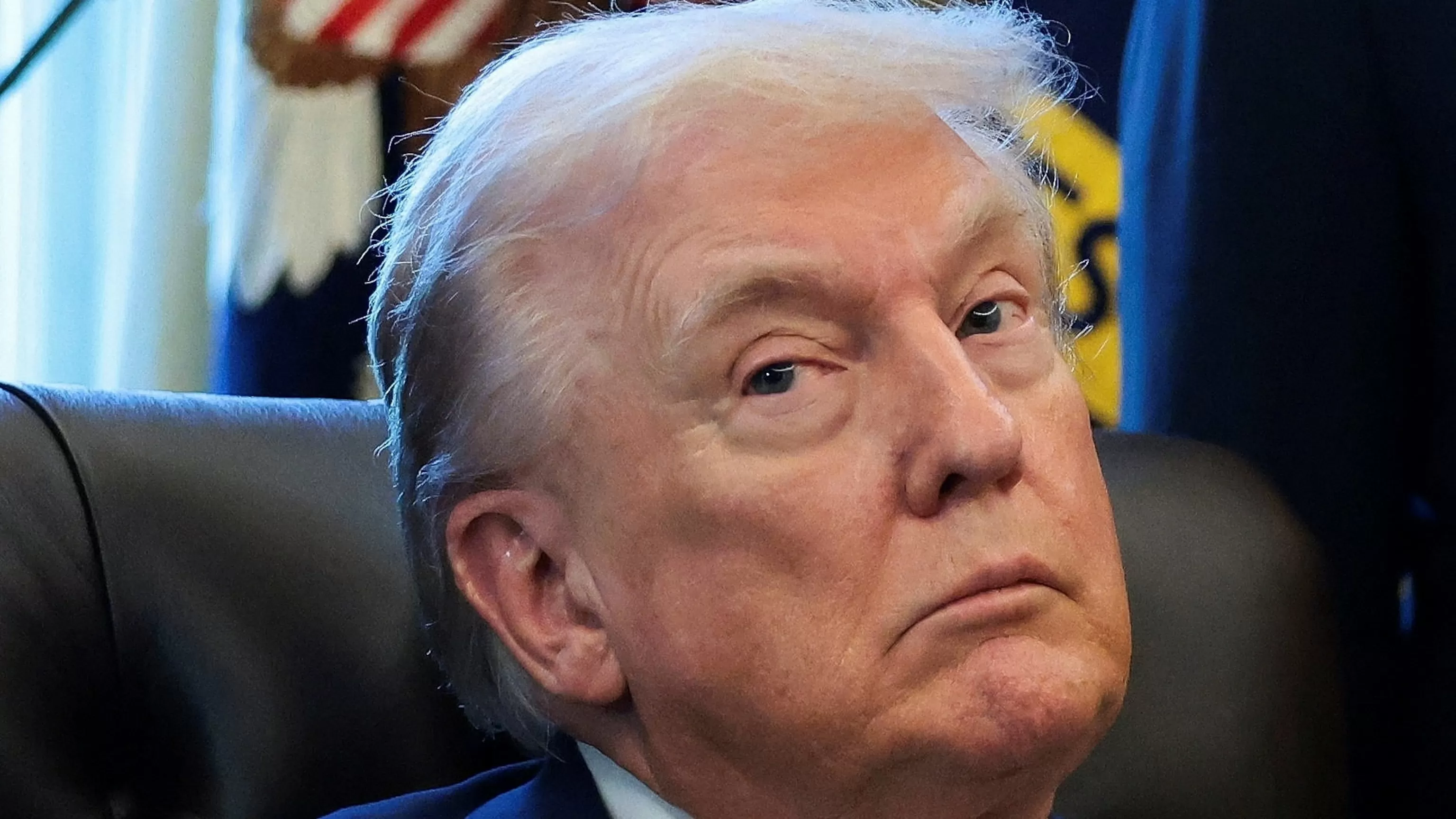
President Trump has once again made headlines with his latest call to Republicans to "nationalize" voting in the upcoming 2026 midterm elections. This bold move has sparked both support and criticism, but one thing is for sure - it has caught the attention of the nation.
In a recent speech, President Trump urged Republicans to take control of the voting process and ensure that it is done on a national level. He emphasized the need for a unified approach to voting, stating that it is crucial for the success of the party in the upcoming elections.
The idea of nationalizing voting is not a new one, but it has gained momentum in recent years. With the rise of technology and the increasing concerns over election security, many have called for a more centralized and standardized voting system. President Trump's call for nationalization is seen as a step in this direction.
The President's call has been met with mixed reactions. Some see it as a necessary step to ensure fair and secure elections, while others view it as an attempt to gain more control over the voting process. However, one thing is clear - nationalizing voting has the potential to bring about significant changes in the way elections are conducted in the United States.
One of the main arguments in favor of nationalizing voting is the need for a more secure and efficient system. With the rise of cyber threats and concerns over foreign interference in elections, a nationalized voting system could provide a more robust defense against these threats. By centralizing the process, it would be easier to monitor and prevent any attempts to manipulate the results.
Moreover, a nationalized voting system could also address the issue of voter fraud. With a standardized process, it would be easier to verify the identity of voters and prevent any illegal activities. This would not only ensure fair elections but also restore trust in the voting process.
Another benefit of nationalizing voting is the potential for increased voter turnout. With a more streamlined and accessible process, it would be easier for people to cast their votes. This could lead to a more representative government, as more people would have a say in the decision-making process.
President Trump's call for nationalizing voting also highlights the need for unity within the Republican party. By having a unified approach to voting, the party can present a strong and cohesive front in the upcoming elections. This could potentially lead to a better outcome for the party and its candidates.
However, there are also concerns about the potential drawbacks of nationalizing voting. Some argue that it could lead to a loss of state autonomy and a one-size-fits-all approach to voting. Others fear that it could lead to voter suppression, as certain groups may face barriers in accessing the nationalized system.
Despite these concerns, President Trump's call for nationalizing voting should be seen as a positive step towards improving the voting process in the United States. It is a call for unity and a move towards a more secure and efficient system. It is a call to put the interests of the nation above party politics.
In conclusion, President Trump's call for nationalizing voting with the 2026 midterm elections on the horizon has sparked a much-needed conversation about the future of the voting process in the United States. While there are valid concerns and criticisms, it is important to approach this issue with an open mind and a willingness to find a solution that benefits all Americans. Nationalizing voting has the potential to bring about positive changes and ensure fair and secure elections. Let us embrace this call for unity and work towards a better future for our democracy.