Trump Suspends Iran Military Strikes Pending Rapid Diplomatic Agreement
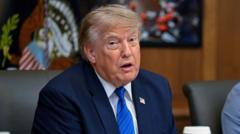
Trump Halts Iran Military Strikes Amid Diplomatic Push
In a significant shift in Middle Eastern tensions, the US president announced a suspension of Iran military strikes, contingent upon rapid progress in ongoing negotiations. The decision comes as reports indicate that Iran and several other regional nations have formally requested Washington to delay any military operations while diplomatic discussions advance toward a comprehensive agreement.
The Trump administration's decision to pause military action reflects evolving geopolitical dynamics in the Middle East, where diplomatic channels have intensified. Officials confirm that foundational parameters of a potential deal have already been established between the involved parties, suggesting substantive progress in negotiations.
Regional Powers Call for Restraint
Multiple Middle Eastern countries have collectively urged the United States to exercise restraint and maintain the current diplomatic momentum. This coordinated appeal underscores the international recognition that military escalation could jeopardize fragile negotiations and destabilize an already volatile region.
The president's willingness to postpone military operations demonstrates responsiveness to these appeals from regional allies and stakeholders. By maintaining a pause on Iran military strikes, Washington signals commitment to exploring peaceful resolutions while preserving the option of military response if negotiations falter.
Diplomatic Framework Takes Shape
According to administration sources, negotiators have successfully outlined the basic architecture of a proposed agreement. The alignment of these foundational elements suggests that parties involved recognize mutual benefits in reaching a settlement. The framework reportedly addresses several critical areas of contention that have historically complicated US-Iran relations.
The agreement's parameters encompass multiple dimensions of the bilateral relationship and regional security concerns. Officials indicate that continued discussions will focus on operationalizing and finalizing specific terms that all parties can accept. The timeline for these negotiations remains fluid, though the administration emphasizes the urgency of reaching resolution.
Conditions for Renewed Military Action
The suspension of Iran military strikes remains conditional on tangible progress in diplomatic negotiations. Administration officials have made clear that if discussions stall or if parties withdraw from established parameters, military options remain on the table. This dual-track approach maintains leverage while pursuing peaceful resolution.
The president has stipulated that any agreement must be concluded "rapidly" to maintain the current pause. This timeframe reflects both the fluid nature of Middle Eastern politics and the administration's view that extended negotiations risk renewed tensions. Both sides appear aware that momentum must be sustained to achieve breakthrough results.
International Response and Implications
The decision to suspend Iran military strikes has generated varied reactions across the international community. European allies have cautiously welcomed the diplomatic approach, while regional powers have expressed support for the negotiation-first strategy. This broad endorsement provides diplomatic space for sustained engagement.
The implications of this pause extend beyond immediate bilateral relations. A successful agreement could reshape regional dynamics, potentially reducing sectarian tensions and creating space for broader Middle Eastern stability. Conversely, negotiations failure could escalate confrontation and military risks significantly.
Timeline and Future Prospects
While specific deadlines for Iran military strikes resumption remain undisclosed, administration sources indicate pressure to conclude negotiations within weeks rather than months. This accelerated timeline reflects recognition that sustained military readiness and diplomatic engagement present resource and political challenges.
The coming weeks will prove critical in determining whether the current diplomatic opening produces concrete results. Success would represent a significant foreign policy achievement, while failure could trigger the military escalation that the current pause forestalls. All involved parties recognize these stakes as negotiations continue at senior levels.


