Trump Administration Restricts Import of Chinese Humanoid Robots
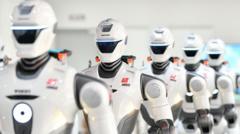
Trump Administration Takes Action Against Chinese Robotics Imports
The Trump administration has implemented significant restrictions on the importation of Chinese humanoid robots, marking a pivotal moment in the ongoing technological competition between Washington and Beijing. This policy decision reflects growing concerns about America's position in the global race to dominate the robotics and artificial intelligence sectors.
The ban on Chinese humanoid robots represents part of a broader strategy to protect domestic technology interests and maintain competitive advantage in emerging fields. Officials have cited national security concerns and the need to preserve intellectual property as key reasons for the enforcement of these new trade restrictions.
The Broader Context of US-China Technological Competition
The relationship between the United States and China in robotics and artificial intelligence has become increasingly contentious over recent years. Both nations are engaged in a strategic competition to establish leadership in technologies that will shape global economies and military capabilities for decades to come. The restrictions on Chinese humanoid robots underscore the intensity of this rivalry.
American policymakers have expressed concerns about the rapid advancement of Chinese robotics capabilities and the potential transfer of sensitive technologies. The humanoid robot sector, in particular, has attracted significant investment from Chinese companies seeking to develop machines that can perform complex tasks across multiple industries.
Impact on the Robotics Industry
The Trump administration's stance on Chinese humanoid robots will likely have far-reaching implications for both industries. Domestic robotics manufacturers may benefit from reduced competition, while supply chain disruptions could affect companies that rely on Chinese components or technology partnerships.
The ban extends to various manufacturers and could influence investment decisions by venture capital firms and technology companies evaluating international partnerships. This policy signals a shift toward prioritizing domestic development and reshoring critical technology production.
National Security and Innovation Concerns
Administration officials have emphasized that restrictions on Chinese humanoid robots stem from legitimate national security considerations. Advanced robotics technology could have dual-use applications, meaning civilian technology might potentially be adapted for military purposes.
The focus on protecting innovation represents an attempt to ensure that American research and development efforts in artificial intelligence and robotics remain competitive. By limiting access to Chinese technology, policymakers hope to encourage domestic innovation and investment in these crucial sectors.
Industry Response and Future Outlook
Technology companies have expressed mixed reactions to the Trump administration's ban on Chinese humanoid robots. Some American manufacturers have welcomed the competitive advantage, while others worry about retaliatory measures and supply chain complications.
Looking ahead, the restrictions may accelerate the development of alternative technologies and encourage greater collaboration between American universities, research institutions, and private companies. The ban on Chinese humanoid robots demonstrates the administration's commitment to maintaining technological superiority in robotics and artificial intelligence.
As competition intensifies, both nations will likely continue investing heavily in research, development, and talent acquisition within the robotics field. The outcome of this technological race will influence global economic power and geopolitical relationships for years to come.


