Torture Survivors May Face Unlawful Placement at Sussex Military Asylum Base
Undercover Investigation Reveals Critical Failings at Sussex Asylum Facility
An extensive undercover investigation conducted by ITV has uncovered serious concerns regarding the treatment of vulnerable individuals at a controversial accommodation center. The documentary evidence suggests that torture survivors asylum camp placements may have occurred without proper legal authorization, raising significant questions about safeguarding protocols and compliance procedures at the facility.
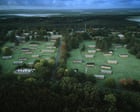
The investigation into conditions affecting asylum seekers at the Crowborough military installation in East Sussex demonstrates systematic deficiencies in welfare oversight and screening mechanisms. This undercover report, part of ITV's documentary series Inside The Asylum Camp, presents compelling evidence of how current accommodation practices may be failing the most vulnerable populations seeking refuge.
Government's Hotel Alternative Strategy Under Scrutiny
Mass accommodation facilities represent a cornerstone of the government's broader initiative to transition away from commercial hotel accommodations for housing asylum seekers. These large-scale centers are intended to provide more cost-effective solutions while managing the housing demands of the asylum system. However, the Crowborough facility operated by a company connected to billionaire Graham King appears to exemplify the potential risks associated with rapid implementation of such policies without adequate oversight mechanisms.
Inside The Asylum Camp: Undercover Findings
To gather authentic documentation of conditions at the facility, ITV's undercover reporter embedded themselves within the operations by securing employment as a welfare officer. This positioning allowed for covert observation and filming of daily practices within the former military training camp. The footage captured during this undercover operation provides a stark illustration of how administrative procedures and welfare protocols function in real-world circumstances.
The investigation demonstrates that asylum seekers at Sussex-based facilities are receiving inadequate welfare checks and support services. These deficiencies carry profound consequences for residents who have often experienced severe trauma and require specialized care. The inadequate screening processes documented in the investigation suggest that individuals with particular vulnerabilities—including those with histories of torture—may not be receiving proper needs assessments upon placement.
Inadequate Welfare Checks and Screening Procedures
The systematic failures identified in welfare checks point to broader problems in how the accommodation provider manages vulnerable populations. Rather than implementing comprehensive assessment protocols, the facility appears to rely on cursory evaluations that fail to identify critical needs. This approach puts already vulnerable asylum seekers at further risk of exploitation and inadequate care.
Welfare officers and support staff operate under resource constraints that may limit their capacity to conduct thorough individual assessments. The documentary evidence suggests that proper screening procedures that would identify torture survivors and other high-need individuals are either not being conducted or are being performed with insufficient depth and attention to detail.
The Crowborough Military Base Transformation
The former military training installation at Crowborough has been converted into one of several mass accommodation centers designed to house asylum seekers. The decision to repurpose military facilities reflects cost considerations within government planning, though such conversions raise important questions about appropriate infrastructure for vulnerable populations.
Operating under the management of companies associated with prominent figures in the accommodation sector, including billionaire Graham King, these facilities function as commercial enterprises profiting from asylum housing contracts. The investigation raises questions about whether profit-driven operations can adequately serve the complex needs of traumatized asylum seekers.
Legal and Ethical Implications
The potential unlawful placement of torture survivors at the facility represents a serious breach of legal obligations and ethical responsibilities. International law and domestic safeguarding standards typically prohibit placing individuals with documented torture histories in conditions that may inadequately address their traumatic needs or provide necessary specialized support.
Torture survivors require access to trauma-informed care, mental health services, and environments structured to prevent re-traumatization. Mass accommodation facilities designed primarily for efficient housing may fundamentally lack these specialized capacities, making them inappropriate placements for such vulnerable individuals.
Broader Implications for Asylum Policy
This investigation into conditions at the Crowborough facility and similar asylum seekers accommodations raises systemic questions about the viability of mass housing solutions. While government objectives to move away from expensive hotel accommodations appear cost-effective on surface analysis, the documented failures in welfare provision suggest that efficiency measures may be compromising essential support functions.
The findings indicate that rapid expansion of mass accommodation capacity without proportional investment in welfare infrastructure and specialized services creates dangerous gaps in protection for vulnerable populations. Asylum seekers, particularly torture survivors, require individualized assessment and ongoing supportive services that standardized mass accommodation models may struggle to provide effectively.