Suffolk Wildfire Continues to Expand with Unpredictable Behavior
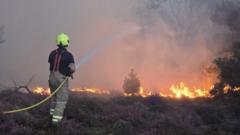
Suffolk Wildfire Escalates with Unpredictable Growth
The ongoing Suffolk wildfire continues to pose significant challenges for emergency responders as the blaze demonstrates unpredictable behavior and continued expansion. Fire service officials have confirmed that the Suffolk wildfire remains active and dynamic, requiring sustained firefighting efforts across the affected coastal region.
Emergency crews are bracing for an extended operational period, with authorities estimating that personnel will maintain their presence at the scene for a minimum of 48 additional hours. The unpredictable nature of the Suffolk wildfire has complicated containment strategies, necessitating adaptive response measures from the firefighting teams deployed to combat the emergency.
Firefighting Operations Continue Around the Clock
Multiple fire service units remain mobilized across the Suffolk coastal area, where the wildfire continues to challenge established containment protocols. The unpredictable behavior of the flames has forced responders to implement flexible tactics, adjusting their approach based on real-time environmental conditions and fire movement patterns.
Personnel working on the ground have emphasized the complexity of managing such a dynamic incident. The Suffolk wildfire's progression has been characterized by sudden directional shifts and intensity variations, creating a demanding operational environment for the firefighting teams. These challenges underscore the inherent difficulties in combating large-scale wildfires in coastal zones where weather patterns and terrain features significantly influence fire behavior.
Weather and Environmental Factors
Environmental conditions play a critical role in determining the trajectory of the Suffolk wildfire. Wind patterns, moisture levels, and temperature fluctuations all contribute to the fire's unpredictable spread and intensity. The coastal location presents unique challenges, as maritime weather systems can rapidly alter fire behavior and complicate resource deployment decisions.
Fire service analysts continue to monitor meteorological forecasts to anticipate potential changes in the Suffolk wildfire's behavior. Understanding these environmental variables is essential for optimizing firefighting strategies and protecting nearby communities from potential threats. The interaction between coastal weather patterns and fire dynamics remains a central concern for incident commanders overseeing the response.
Community Impact and Safety Measures
Residents in proximity to the Suffolk wildfire are urged to remain vigilant and prepared for potential evacuation notices. Local authorities have established communication channels to keep the public informed about the incident's development and any necessary safety precautions. The unpredictable nature of the wildfire reinforces the importance of maintaining situational awareness in affected areas.
Emergency management officials continue coordinating with fire service personnel to ensure comprehensive coverage and rapid response capabilities. The Suffolk wildfire represents a significant test of regional emergency response systems, with multiple agencies working in concert to contain the situation and protect critical infrastructure.
Extended Response Timeline
The anticipated 48-hour minimum operational window represents fire service planners' current assessment of containment requirements. However, given the unpredictable characteristics of the Suffolk wildfire, this timeline remains subject to revision based on evolving conditions. Resource management and crew rotation schedules have been adjusted to sustain intensive firefighting operations throughout the extended response period.
Specialist equipment and trained personnel continue to be deployed to maximize effectiveness in combating the blaze. The Suffolk wildfire's unpredictable behavior necessitates maintaining high operational readiness and flexibility among response teams. Strategic placement of firefighting assets and coordination between different emergency service branches remain critical to achieving successful containment and eventual extinguishment of the fire.


