Spain Faces EU Emergency Summit on Ceuta Migration Crisis
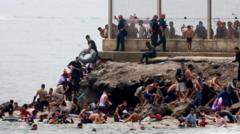
EU Convenes Urgent Session on Ceuta Migration Surge
The European Union has called an emergency assembly to examine the escalating Ceuta migration crisis that has sparked considerable diplomatic friction among member nations. Spanish authorities find themselves at the center of intensifying discussions regarding the unprecedented arrival of individuals crossing into this Mediterranean enclave, prompting swift institutional intervention at the highest governmental echelons.
Diplomatic Tensions Escalate Between Spain and EU Partners
Relations between Spain and fellow European Union member states have grown increasingly strained as the Ceuta migration crisis continues to dominate policy debates. The Spanish government faces mounting pressure from neighboring nations concerned about border management protocols and the broader implications for continental security arrangements. These contentious exchanges reveal deep divisions regarding responsibility-sharing mechanisms and humanitarian obligations under existing EU frameworks.
Root Causes of the Current Influx
The dramatic surge in migrant crossings into Ceuta reflects complex geopolitical circumstances extending beyond simple border enforcement. Economic disparities, regional instability in North Africa, and established migration networks have created persistent pressures that overwhelm existing infrastructure and administrative capacity. Spanish officials contend that addressing this phenomenon requires comprehensive international cooperation rather than unilateral measures that place disproportionate burdens on single member states.
Spain's Position and Concerns
Madrid has consistently emphasized that managing the Ceuta migration crisis demands equitable distribution of responsibility throughout the European community. Spanish representatives argue that geographic proximity to Africa naturally positions Spain as a primary transit point, yet existing EU mechanisms fail to adequately distribute the humanitarian and administrative costs associated with processing and accommodating migrant populations. This asymmetrical burden creates legitimate grievances regarding fairness and collective solidarity principles.
EU Response Framework
The emergency meeting represents the Union's recognition that uncoordinated national responses inadequately address systemic challenges. European institutions are exploring potential solutions involving enhanced border security technologies, improved information-sharing protocols, and reformed asylum processing mechanisms. These discussions also encompass financial support mechanisms to reinforce Spain's capacity for managing unprecedented arrival volumes.
Broader Implications for European Border Security
The Ceuta situation exemplifies fundamental tensions inherent in the Schengen Area's open-border philosophy when confronted with external migration pressures. EU policymakers recognize that sustainable solutions require balancing security imperatives with humanitarian commitments established through international refugee conventions. The emergency deliberations will likely generate recommendations affecting broader continental immigration strategies.
Member State Perspectives
Various EU nations approach the Ceuta migration crisis from divergent angles reflecting their geographic positions and political circumstances. Northern and Western European states emphasize strengthening external borders, while southern Mediterranean nations highlight the necessity for burden-sharing mechanisms. Eastern European members introduce perspectives shaped by their recent experiences with migration corridors, creating a complex mosaic of priorities requiring delicate negotiation.
Humanitarian Considerations and Practical Challenges
Addressing migrant flows into Ceuta encompasses more than security considerations; it fundamentally involves protecting vulnerable populations, including unaccompanied minors and individuals fleeing persecution. Spanish authorities manage competing demands: maintaining border integrity while fulfilling humanitarian responsibilities toward asylum seekers and migrants. The emergency EU session must reconcile these tensions through carefully calibrated policies.
Infrastructure and Administrative Capacity
Ceuta's limited physical infrastructure struggles accommodating unprecedented arrival volumes. Reception facilities, administrative processing systems, and social service provisions require substantial expansion. The European Union must determine whether collective funding mechanisms will support such investments, establishing precedents affecting how future migration situations receive institutional responses.
Path Forward for EU Cooperation
Constructive resolution of the Ceuta migration crisis depends upon member states transcending protectionist instincts to forge genuinely collaborative approaches. Emerging discussions include reformed asylum procedures, enhanced external border management, and comprehensive development assistance addressing root causes in origin countries. These multifaceted strategies represent European commitment to managing complex phenomena through integrated solutions rather than temporary fixes.
The emergency EU meeting signals institutional recognition that current frameworks prove inadequate for contemporary migration realities. Success requires sustained political commitment from all member states to implement coordinated policies balancing security, humanitarian, and economic considerations within the broader context of European integration principles.


