Royal Navy Faces Resource Crisis Against Arctic Russian Threats
Parliamentary Warning on Royal Navy Capacity
Members of Parliament serving on the defence select committee have raised critical concerns about whether the Royal Navy possesses adequate resources to effectively counter Russian threats in the high north and surrounding Arctic regions. The committee's assessment highlights persistent shortfalls in both the quantity and operational readiness of submarines and warships, representing a significant vulnerability in Britain's maritime defence posture.
The inquiry into Royal Navy resources Arctic threat has revealed systemic challenges that experts warn could undermine deterrence capabilities against potential Russian military actions beyond UK territorial waters. Committee members stressed that addressing these deficiencies requires immediate and substantial intervention, with transformative changes essential by the conclusion of this decade.
Documented Evidence of Naval Strain
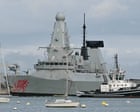
The defence committee's investigation identified multiple instances demonstrating the strain on naval operations. A particularly notable case involved HMS Dragon, a Type 45 destroyer whose deployment to Cyprus in spring proceeded at a notably sluggish pace, revealing complications in vessel readiness and logistical coordination. This sluggish progression exemplified broader challenges within the fleet.
Concurrent with deployment difficulties, official figures illustrate declining frigate numbers within the active fleet. These multi-purpose vessels represent crucial assets for maritime patrol, anti-submarine warfare, and surface combat operations. The erosion of frigate capacity directly diminishes the Royal Navy's ability to maintain continuous presence across multiple operational theatres simultaneously.
Submarine Availability Crisis
Perhaps most alarming to parliamentary investigators was intelligence regarding Astute-class attack submarines during the summer months. Reports confirmed that all five vessels in this submarine class underwent dock maintenance and overhaul simultaneously, rendering the entire attack submarine contingent unavailable for active patrol or rapid deployment. This synchronized maintenance schedule created a critical gap in undersea deterrence capabilities.
Attack submarines form the backbone of strategic deterrence, particularly in contested waters where Russian submarines increasingly operate. The simultaneous docking of the complete Astute-class flotilla represented an extraordinary vulnerability, as it eliminated the Royal Navy's capacity to respond to underwater threats or maintain continuous underwater surveillance during that period.
Strategic Implications for Arctic Security
The high north has emerged as an increasingly contested region, with Russian military expansion and enhanced Arctic operations creating fresh security challenges for NATO allies. Britain's vulnerability in this domain directly impacts broader alliance capabilities and collective defence arrangements. The committee warned that inadequate naval resources could embolden aggressive Russian actions and diminish Britain's capacity to fulfill alliance obligations.
Defence analysts emphasize that maritime security in Arctic waters requires sustained operational presence, advanced submarine capabilities, and capable surface combatants. Without sufficient vessels and submarine platforms, the Royal Navy cannot adequately monitor Russian movements, respond to provocative actions, or defend vital sea lanes and strategic interests.
Parliamentary Demands for Transformation
The defence select committee's findings prompted calls for dramatic progress in addressing Royal Navy resource shortfalls. Committee members recommended comprehensive measures including accelerated submarine maintenance protocols, increased frigate procurement, and enhanced personnel recruitment and retention. These initiatives, if implemented systematically, could substantially improve operational readiness by 2030.
MPs emphasized that current trajectory remains insufficient and that incremental improvements will not adequately address the strategic challenge presented by Russian capabilities. The committee advocated for elevated defence spending directed specifically toward naval modernization, submarine force expansion, and warship production acceleration.
Future Outlook and Defence Strategy
The parliamentary warning regarding Royal Navy resources and Arctic threat capabilities signals growing concerns within government about Britain's maritime posture. Defence policymakers face difficult decisions regarding resource allocation, technological investment, and force structure modernization. The committee's assessment suggests that without substantial intervention, Britain risks diminishing strategic influence in contested waters and reduced capacity to deter potential adversaries.
Strategic planners must balance immediate operational requirements with long-term capability development, ensuring that naval forces maintain credible deterrence while modernizing platforms and systems. The committee's emphasis on achieving dramatic progress by the end of the decade reflects urgency in addressing documented deficiencies and restoring robust naval capabilities essential for contemporary security challenges.