Romania Closes Nuclear Reactor Amid Danube Water Crisis
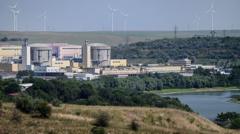
Romania's Critical Nuclear Facility Forced Offline
Romania's sole operating nuclear installation has ceased operations following unprecedented environmental conditions affecting the nation's primary river system. The Cernavodă nuclear plant, responsible for generating approximately one-fifth of the country's total electricity output, has suspended all power generation activities due to drastically diminished water availability in the Danube River.
This significant Romania nuclear plant shutdown represents a substantial challenge to the nation's energy infrastructure during a period when power demands remain elevated. The facility, which typically operates continuously to supply critical baseload electricity, now faces an indefinite closure period as environmental conditions continue to deteriorate.
Understanding the Environmental Impact
Extreme heat waves sweeping across Central Europe have triggered an alarming decline in the Danube River's water level. This crucial waterway serves as a vital cooling mechanism for thermal and nuclear power generation facilities throughout the region. The Danube River water level has dropped to critically low thresholds, rendering continued plant operations technically unfeasible and potentially unsafe.
The phenomenon reflects broader climate-related challenges affecting Europe's energy sector. Multiple nations depending on river-based cooling systems face similar predicaments, though Romania's situation proves particularly acute given its reliance on nuclear generation for baseline electricity provision.
National Electricity Supply Implications
With the Cernavodă reactor closure now in effect, Romania confronts substantial pressure on its electrical grid. The facility typically contributes roughly 20 percent of the nation's annual electricity generation, representing millions of megawatt-hours of lost production capacity. This absence directly impacts industrial operations, residential consumption, and regional energy markets.
Grid operators must now rely more heavily on alternative generation sources, including fossil fuel plants, hydroelectric installations operating at reduced capacity, and renewable energy facilities. The increased demand placed on these backup systems may result in elevated operational costs and reduced environmental benefits typically associated with nuclear baseload generation.
Timeline and Restart Uncertainties
Officials have indicated that the nuclear energy crisis may persist for an extended duration. Preliminary assessments suggest the plant will not return to operational status within the immediate ten-day period, with potential extensions remaining highly probable depending on meteorological conditions and river flow patterns.
Danube water levels must rise substantially before the facility can safely resume operations. Current forecasts provide limited optimism regarding near-term precipitation or runoff that might alleviate this situation. The prolonged shutdown introduces considerable uncertainty into Romania's medium-term energy planning.
Broader Energy Sector Consequences
This scenario highlights vulnerabilities within Europe's power generation infrastructure regarding climate resilience. The Romania electricity supply disruption exemplifies how environmental extremes increasingly threaten conventional energy systems, particularly installations dependent on water availability for thermal cooling processes.
Energy analysts emphasize that similar incidents will likely recur with greater frequency absent substantial investments in climate adaptation measures. Nuclear facilities, while producing minimal greenhouse gas emissions, require enormous quantities of cool water for safe operation—a resource becoming increasingly scarce during extended heat episodes.
Economic and Strategic Implications
The Cernavodă plant's suspension carries significant economic ramifications extending beyond energy markets. Industrial consumers face potential production constraints, while household electricity prices may experience upward pressure due to increased reliance on costlier alternative generation methods. International energy trading partners may also experience supply chain disruptions dependent upon Romanian power availability.
This situation underscores the interconnected nature of European energy systems and the cascading effects that single facility shutdowns can produce across multiple markets and economies.
Looking Ahead: Climate Resilience and Planning
Romanian authorities and energy sector professionals are examining long-term strategies to mitigate future disruptions. Discussions increasingly focus on infrastructure improvements, alternative cooling technologies, and diversification of energy sources to reduce vulnerability to environmental extremes.
The incident serves as a sobering reminder that even advanced industrial nations must prepare for climate-related energy emergencies, adapting both operational procedures and long-term investment strategies to ensure reliable power supply amid changing environmental conditions.


