Rising Energy Bills: Practical Solutions to Reduce Consumption
Understanding the Current Energy Bill Crisis
The cost of household utilities continues to climb, presenting significant financial challenges for families worldwide. Rising energy bills have become a pressing concern that affects budgets across all income levels. As prices escalate, understanding your consumption patterns and implementing cost-saving measures becomes essential for maintaining financial stability.
Why Energy Costs Are Increasing
Multiple factors contribute to the upward trajectory of rising energy bills in recent years. Global energy markets, supply chain disruptions, and increased demand following economic recovery have all played crucial roles. Additionally, infrastructure maintenance and grid modernization investments are reflected in consumer rates. Understanding these underlying causes helps households appreciate the complexity of energy pricing while recognizing that individual actions still matter.
Practical Strategies to Lower Your Energy Bills
Optimize Your Heating and Cooling Systems
One of the most effective ways to reduce household energy costs involves managing temperature settings intelligently. Programmable thermostats allow you to automatically adjust temperatures based on your schedule, ensuring you're not heating or cooling empty spaces. During winter months, lowering your thermostat by just a few degrees can yield substantial savings. Similarly, in summer, raising air conditioning settings by a few degrees reduces consumption significantly without sacrificing comfort.
Upgrade to Energy-Efficient Appliances
Modern appliances with Energy Star certification consume considerably less electricity than older models. While the initial investment may seem substantial, the long-term savings on energy bills justify the expense. Refrigerators, washing machines, dishwashers, and water heaters represent major energy consumers in typical households. Replacing aging equipment with efficient alternatives addresses rising energy bills at their source.
Improve Your Home's Insulation
Poor insulation forces heating and cooling systems to work harder, directly impacting your household energy costs. Sealing air leaks around windows, doors, and ductwork prevents conditioned air from escaping. Adding insulation to attics and walls creates a thermal barrier that maintains comfortable temperatures with less mechanical intervention. These improvements represent investments that pay dividends through reduced energy consumption over many years.
Simple Daily Habits That Reduce Consumption
Lighting Modifications
Switching to LED bulbs dramatically reduces electricity usage compared to traditional incandescent or fluorescent options. LEDs consume up to 75% less energy while lasting significantly longer, reducing replacement costs. Installing motion sensors in less-frequently used areas ensures lights operate only when needed.
Water Heating Efficiency
Water heating accounts for substantial portions of household energy consumption. Installing low-flow showerheads and faucet aerators reduces hot water demand without compromising functionality. Insulating hot water pipes prevents heat loss during distribution. Taking shorter showers and washing clothes in cold water whenever possible delivers meaningful savings on energy bills.
Smart Appliance Usage
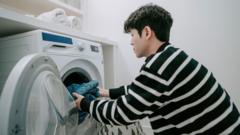
Running full loads in dishwashers and washing machines maximizes energy efficiency per use. Unplugging devices and eliminating phantom power drain prevents unnecessary consumption. Air-drying clothes instead of using machine dryers represents another simple yet effective strategy for lowering household energy costs.
Technology Solutions for Energy Management
Smart home technology enables real-time monitoring of energy consumption patterns. Smart meters provide detailed feedback about which appliances consume the most electricity, helping identify optimization opportunities. Smart thermostats learn your preferences and adjust automatically, minimizing waste while maintaining comfort. These technological solutions empower households to make informed decisions about reducing rising energy bills.
Government Assistance and Incentive Programs
Many government agencies offer rebates and tax credits for energy-efficient upgrades. Weatherization assistance programs help low-income households improve insulation and seal air leaks. Utility companies frequently provide rebates for upgrading to efficient appliances. Researching available programs in your region can offset initial investment costs for major improvements.
Creating a Long-Term Energy Reduction Plan
Addressing rising energy bills effectively requires a comprehensive approach combining multiple strategies. Start with low-cost behavioral changes, then progress to more substantial investments in home improvements and equipment upgrades. Tracking your monthly consumption provides motivation as you witness tangible results from implemented changes. Regular maintenance of HVAC systems ensures optimal efficiency and prevents costly emergency repairs.
Conclusion
While rising energy bills present genuine financial challenges, numerous practical solutions exist within reach of most households. From simple behavioral modifications to substantial home improvements, opportunities to reduce consumption and save money abound. By implementing these strategies systematically, you can take control of your household energy costs and create meaningful long-term savings that benefit both your finances and the environment.


