Over Two-Thirds of England Faces Official Drought Status
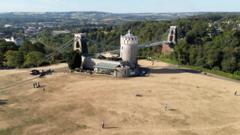
England Drought Status Reaches Critical Level
England drought status has escalated significantly as multiple regions across the country have now been officially declared in drought conditions. More than two-thirds of England is currently experiencing this critical water shortage, marking a serious environmental and resource management challenge for the nation.
The widespread England drought status announcement reflects the severity of the ongoing water crisis affecting millions of residents and businesses throughout the country. This declaration represents a turning point in how authorities are responding to the prolonged dry period that has impacted water supplies, agriculture, and daily life across numerous communities.
Regions Officially Moved into Drought Status
Several key regions have now transitioned into official drought designation, each facing unique challenges related to water availability and management. The East Midlands, Lincolnshire, and Northamptonshire have entered drought status, alongside Kent and East Sussex, and the Solent and South Downs areas.
The East Midlands drought situation is particularly significant due to the region's agricultural importance and industrial water demands. Lincolnshire and Northamptonshire, traditionally areas with substantial farming operations, are now contending with reduced water supplies that threaten crop production and livestock management. These agricultural regions depend heavily on consistent water availability, making the drought status designation increasingly concerning for farmers and rural communities.
In the southeastern regions, Kent and East Sussex have also entered drought conditions, affecting both urban populations and agricultural operations in these historically important areas. The Solent region and South Downs designation extends the drought status into additional southern territories, demonstrating the broad geographical extent of England's current water crisis.
Impact of England Drought Status on Communities
The official England drought status carries substantial implications for various sectors and populations. Residents across affected regions may face restrictions on water usage, including limitations on garden irrigation, car washing, and other non-essential water consumption. Public water companies have implemented measures to ensure that essential water supplies prioritize domestic consumption and critical services.
Agricultural communities affected by the drought status face particularly acute challenges. Farmers in the East Midlands, Lincolnshire, Northamptonshire, and other designated regions struggle with irrigation limitations during critical growing seasons. The reduced availability of water for livestock and crop production threatens food security and rural economic stability.
Businesses and industries reliant on substantial water quantities also experience disruption due to England's drought status. Manufacturing facilities, food processing plants, and other water-intensive operations must adapt their operations to comply with water restriction guidelines while maintaining productivity and employment levels.
Water Management and Response Strategies
Environmental agencies and water authorities have activated comprehensive response plans in light of the widespread England drought status. These strategies focus on water conservation, equitable distribution of available supplies, and protection of essential services. Public information campaigns encourage residents to adopt water-saving practices and understand the importance of conservation during drought conditions.
The official drought status enables authorities to implement additional measures beyond standard conservation guidelines. These may include emergency water sourcing, temporary supply arrangements between regions, and enhanced monitoring of water use across all sectors. Water companies continue assessing groundwater levels, reservoir conditions, and precipitation patterns to guide ongoing response decisions.
Long-Term Outlook and Considerations
The extent of England's drought status raises important questions about long-term water security and climate resilience. Extended dry periods combined with population growth and increased water demand create complex challenges for resource management. Authorities emphasize that the current drought status situation requires sustained community cooperation and potentially permanent changes to water consumption patterns.
Looking forward, the England drought status experience highlights the necessity for infrastructure investment, drought preparedness planning, and adaptation strategies. Water companies, government agencies, and communities must work collaboratively to build resilience against future drought events and ensure sustainable water management for generations to come.


