Iran Claims Strait of Hormuz Closure After Israeli Attacks
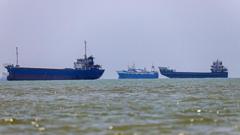
Iran Announces Strait of Hormuz Closure Amid Regional Tensions
The Strait of Hormuz closure has become a focal point of international concern as Iran asserts it has sealed off one of the world's most critical maritime passages in response to recent Israeli military operations targeting Lebanon. This assertion represents a significant escalation in Middle Eastern geopolitical dynamics, drawing immediate scrutiny from global powers and maritime stakeholders who depend on the strategic waterway for energy transport.
US Military Disputes Iranian Claims
The United States military has challenged Tehran's declaration regarding the Strait of Hormuz closure, indicating that independent verification remains absent. American defense officials stated that current operational assessments do not align with Iran's public statements about blocking the passage. This contradiction underscores growing tensions between Washington and Tehran, particularly as diplomatic channels prepare for scheduled discussions.
Strategic Importance of the Waterway
The Strait of Hormuz serves as a vital chokepoint for global energy supplies, with approximately one-third of maritime crude oil passing through its waters daily. Any legitimate closure or significant disruption would reverberate across international markets, affecting energy prices and supply chains worldwide. The dispute over Iran's claim highlights the potential economic consequences of escalating regional hostilities and the critical nature of maintaining maritime stability in the Persian Gulf region.
Israeli Operations in Lebanon and Regional Response
Recent Israeli military attacks in Lebanon have triggered a cascade of regional reactions, with Iran positioning itself as a responding actor in support of its allies. The Strait of Hormuz closure announcement appears designed as both a symbolic gesture of defiance and a potential economic counter-measure against Western allies. Iranian officials have framed their actions within the broader context of regional security concerns and Israeli military aggression.
Escalating Rhetoric and Military Posturing
The announcement comes amid heightened tensions that have characterized recent months in the Middle East. Iran's leadership has consistently signaled its readiness to respond to what it perceives as external aggression, and the Strait of Hormuz closure claim represents another escalatory step in this pattern of confrontational rhetoric. The credibility of such claims remains disputed among international observers who monitor maritime activities in the region.
Upcoming US-Iran Diplomatic Discussions
Scheduled talks between American and Iranian representatives in Switzerland on Sunday provide a critical diplomatic window amid these escalating tensions. The timing of Iran's Strait of Hormuz closure announcement, occurring just before these negotiations, suggests deliberate strategic messaging. Observers interpret the move as potentially leveraging pressure before direct negotiations commence.
Diplomatic Implications
The coordination between Iran's military claims and upcoming diplomatic engagements raises questions about negotiating tactics and whether such announcements serve to strengthen Tehran's bargaining position. US officials participating in the Switzerland talks will likely address the disputed closure claim directly, seeking clarification on Iran's intentions and capabilities regarding maritime control.
Global Market Reactions and Economic Concerns
Energy markets and shipping industries have reacted with cautious concern to Iran's Strait of Hormuz closure claims. Insurance rates for vessels traversing the waterway may increase, and oil futures prices could fluctuate based on perceived risk levels. The economic implications of any genuine closure would be severe, making the verification of Iran's claims essential for global stability.
International Monitoring and Response
Multiple nations maintain naval presence and monitoring capabilities in the Persian Gulf region. Their observations will ultimately determine whether Iran's announcement reflects actual capability or represents political posturing. International maritime organizations continue assessing the situation to provide accurate information to shipping companies and energy markets.
Context of Israeli-Lebanese Operations
The Israeli military operations in Lebanon cited by Iran as justification for the Strait of Hormuz closure claim form part of broader regional conflicts. These operations reflect ongoing tensions between Israel and Iran-backed entities operating in Lebanese territory. Iran's response through maritime pressure represents an alternative avenue of confrontation when direct military engagement proves impractical.
Looking Forward: Implications for Regional Stability
The disputed Strait of Hormuz closure claim underscores the fragility of Middle Eastern stability and the interconnected nature of regional conflicts. Whether Iran possesses genuine capacity to enforce such a closure remains contested, but the announcement itself signals escalating brinkmanship. The upcoming Switzerland talks represent a critical opportunity to de-escalate tensions and establish clear communication channels between adversaries.
Observers emphasize that verification of Iran's claims remains paramount for maintaining international confidence in regional security assessments. The coming days will reveal whether Iran's Strait of Hormuz closure announcement reflects concrete military action or serves primarily as political messaging preceding diplomatic negotiations.


