Indonesia Earthquake: Rescuers Race Against Time to Find Survivors
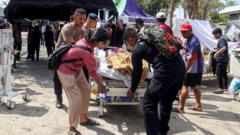
Indonesia Earthquake: Massive Rescue Operation Underway
Following a devastating Indonesia earthquake that struck the region with considerable force, rescue teams are conducting an intensive search operation to locate survivors trapped in the wreckage. The disaster has resulted in significant infrastructure damage across multiple communities, with officials confirming that approximately 47 lives have been lost in the catastrophic event. The ongoing rescue effort represents one of the most substantial emergency response operations in recent months.
Extent of Damage and Initial Assessment
A comprehensive rapid assessment is currently being executed to fully understand the impact of the Indonesia earthquake. Preliminary reports indicate that hundreds of buildings have been destroyed or severely damaged across the affected areas. Structural engineers and disaster assessment teams are working methodically to catalog the destruction and identify priority zones for continued search and recovery operations.
Building Destruction and Infrastructure Impact
The powerful earthquake caused widespread architectural devastation throughout multiple districts. Residential structures, commercial buildings, and public facilities have been reduced to rubble or left in a state of partial collapse. Initial surveys suggest that the majority of the damaged infrastructure was located in densely populated urban centers, which has complicated rescue efforts due to the volume of debris and the challenge of accessing affected individuals.
Search and Rescue Efforts
Emergency response teams have mobilized extensively following the Indonesia earthquake, deploying rescue workers equipped with specialized detection equipment and search dogs. These professionals are systematically working through collapsed structures to locate survivors and retrieve those who have perished. The rescue operation encompasses multiple stages, including structural stabilization, debris removal, and victim extraction.
Resources and Personnel Deployed
Substantial resources have been allocated to support the ongoing rescue mission. Government agencies have coordinated with international aid organizations to supplement local emergency response capabilities. Medical personnel are stationed throughout affected regions to provide immediate care to rescued individuals, with field hospitals and emergency medical facilities established to handle the influx of injured survivors.
Official Response and Coordination
National authorities have declared the situation a priority emergency, initiating crisis management protocols and coordinating between multiple government agencies. Officials emphasize that the rapid assessment of the Indonesia earthquake's impact is essential for optimizing resource allocation and ensuring that rescue efforts focus on areas with the highest probability of locating survivors. Communication networks have been established to maintain coordination between rescue teams operating in different sectors.
Challenges Facing Recovery Operations
Rescue teams confront significant obstacles while conducting their search operations. Unstable structures pose ongoing risks to rescue workers, requiring careful structural assessment before personnel enter damaged buildings. Aftershocks, which continue to occur following the initial Indonesia earthquake, create additional hazards and delays to rescue timelines. Weather conditions and limited access routes to certain affected communities further complicate the recovery process.
Community Impact and Support Systems
Local communities are mobilizing to support rescue efforts and provide assistance to displaced residents. Temporary shelter facilities are being established for those who have lost their homes, while supply distribution centers are organizing food, water, and medical supplies for affected populations. The collective response demonstrates community resilience in the face of the devastating Indonesia earthquake.
Casualty Management and Victim Identification
Medical examiners and forensic teams are working to identify casualties and document fatalities resulting from the Indonesia earthquake. The 47 confirmed deaths represent the current toll, though officials acknowledge that this figure may increase as rescue operations continue and assessment activities expand to previously inaccessible areas.
Ongoing Monitoring and Future Operations
Seismic monitoring stations continue tracking aftershock activity to provide early warning to rescue teams and the general public. Scientists are analyzing data from the Indonesia earthquake to understand its geological characteristics and predict potential secondary seismic events. Long-term recovery planning is beginning simultaneously with active rescue operations, ensuring that reconstruction efforts can commence promptly once immediate life-saving activities conclude.


