Hobohemian Rhapsody
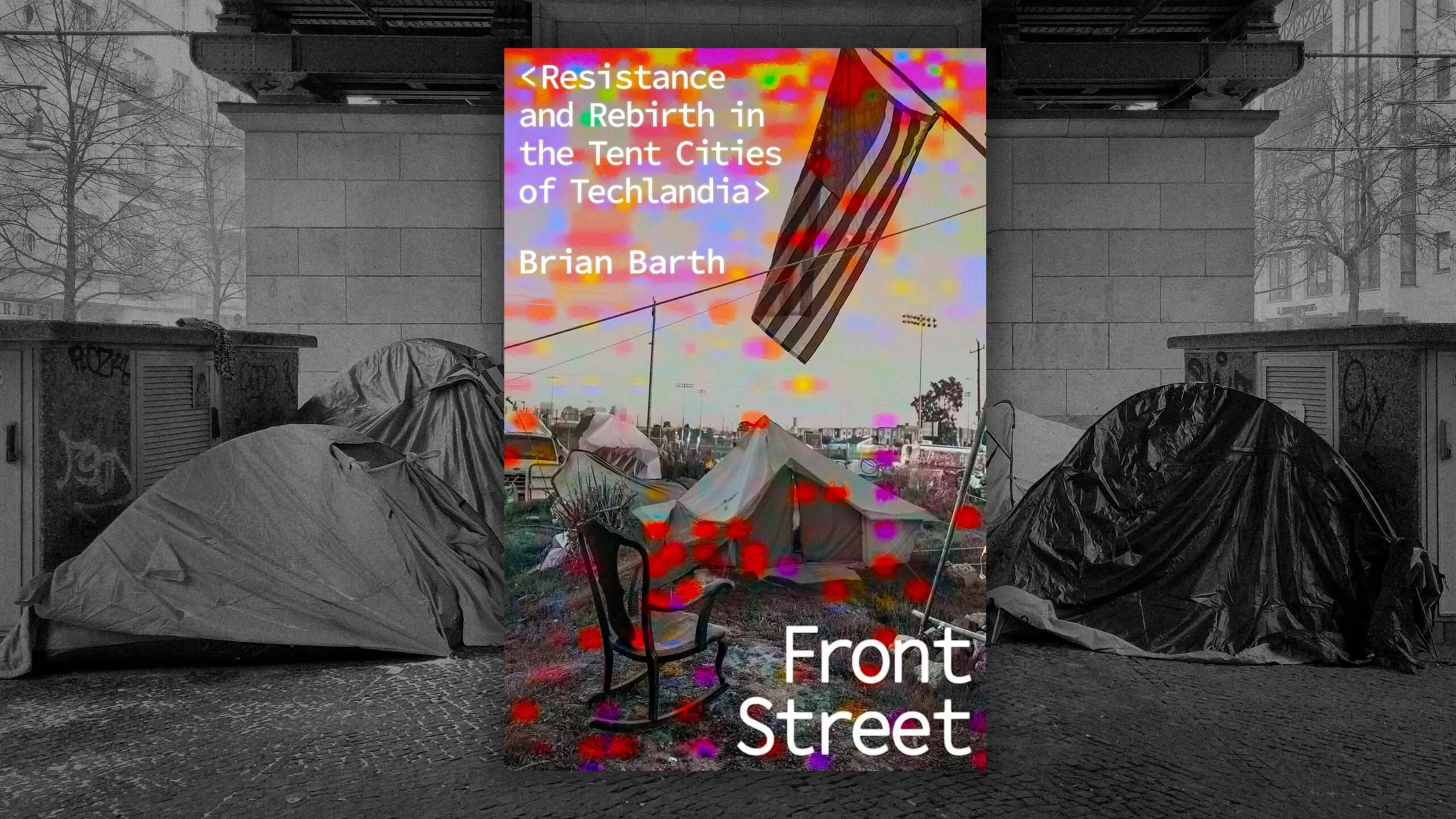
Author Brian Barth Explores the Makeshift Tent Cities of Silicon Valley
Silicon Valley, known as the epicenter of the technology industry, is a region in Northern California that has become synonymous with innovation, wealth, and success. It is home to some of the world's biggest and most influential companies such as Google, Facebook, and Apple. However, amidst the glitz and glamour of this high-tech hub, there is a lesser-known side to Silicon Valley – one that author Brian Barth has brought to light in his recent exploration of the region's makeshift tent cities.
In his eye-opening report, Barth takes readers on a journey through the tent cities that have sprung up in the shadow of Silicon Valley's booming tech campuses. These tent cities are home to thousands of people, including many who work for the very companies that have made the region so prosperous. Barth's account sheds light on a side of Silicon Valley that is often overlooked – its growing homelessness crisis.
As someone who has lived and worked in Silicon Valley for over a decade, Barth was driven to explore the tent cities and the people who call them home. What he found was a stark contrast to the images of wealth and success that Silicon Valley is known for. He discovered a community of individuals and families living in tents, makeshift structures, and vehicles, struggling to survive in one of the most expensive areas in the country.
Barth's journey began in the heart of Silicon Valley, where he encountered a sprawling tent city near a major tech company's headquarters. The contrast was striking – on one side were towering glass buildings housing some of the most innovative minds in the world, and on the other side were rows of tents and tarps serving as makeshift homes. It was a scene that challenged the notion of progress and success in Silicon Valley.
As he delved deeper into the tent cities, Barth discovered that the majority of the residents were not homeless by choice. Many of them were former tech workers who had been laid off or could no longer afford the high cost of living in the area. In a place where the average rent for a one-bedroom apartment can easily exceed $3,000 a month, it is no surprise that many are forced to live in tents or vehicles.
Barth's exploration also revealed the harsh reality of life in these tent cities. He met individuals who had once held high-paying jobs but were now struggling to make ends meet and provide for their families. He encountered families living in cramped tents with no access to basic amenities such as running water and electricity. And he heard stories of individuals who had to resort to living in their cars after losing their homes due to soaring rent prices.
Despite these challenges, Barth also found a sense of community and resilience in the tent cities. He met individuals who had formed strong bonds with their neighbors and were supporting each other through the difficulties of living in such conditions. He also saw how the community had come together to create makeshift schools, libraries, and even a vegetable garden to provide some normalcy and support for the children living in the tent cities.
Barth's exploration of Silicon Valley's tent cities has shed light on a pressing issue that has long been ignored in the region. It has sparked conversations and raised awareness about the growing number of people struggling to survive in one of the wealthiest areas in the world. And it has also highlighted the urgent need for affordable housing and support for those who have been left behind in the race for technological advancement.
But perhaps the most impactful aspect of Barth's report is the way it humanizes the individuals living in the tent cities. It reminds us that behind the labels of homelessness and poverty are real people, with stories, struggles, and dreams, just like anyone else. And it challenges us to question the impact of Silicon Valley's success on the people and communities that have been left behind in its wake.
In conclusion, Brian Barth's exploration of the makeshift tent cities of Silicon Valley is a powerful reminder that there is more to this region than just its technological advancements. It is a call to action for individuals, companies, and the government to address the growing homelessness crisis and create a more equitable environment for all residents of Silicon Valley. Let us hope that Barth's report will serve as a catalyst for change and bring about a more inclusive and compassionate Silicon Valley for all.