Heatwave Creates Unique Wonky Vegetables Worth Eating
Understanding the Rise of Wonky Vegetables During Heatwaves
Wonky vegetables are becoming increasingly prevalent across British supermarket shelves as repeated heatwaves reshape agricultural production patterns. The shift toward these irregularly-shaped produce items represents a significant change in how consumers perceive quality and value in their fresh purchases. Rather than conforming to traditional aesthetic standards, wonky vegetables offer practical benefits alongside environmental advantages that forward-thinking shoppers are beginning to embrace.
How Extreme Heat Affects Vegetable Growth
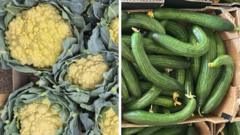
Rising temperatures fundamentally alter the growing conditions for traditional crops throughout the United Kingdom. Cauliflowers exposed to intense sunlight develop distinctive tan-colored surfaces, while potatoes emerge from the soil with prominent knobbles and unusual contours. These physical characteristics result from plants adapting to stress conditions rather than any fundamental change in nutritional value or taste quality.
Agricultural scientists explain that wonky vegetables develop when soil moisture fluctuates dramatically during critical growth phases. Water-stressed plants channel energy into survival mechanisms rather than maintaining uniform symmetry. Potatoes particularly demonstrate this adaptation, producing irregular shapes that would historically be discarded as substandard produce destined for processing facilities.
Nutritional Benefits of Irregular Produce
Despite their unconventional appearance, wonky vegetables deliver identical nutritional profiles compared to their cosmetically perfect counterparts. Cauliflower florets maintain the same vitamins, minerals, and beneficial compounds regardless of whether the head features uniform ivory coloring or distinctive sun-tanned patches. Potatoes with pronounced knobbles provide equivalent carbohydrates, potassium, and fiber content.
Consumers discovering these vegetables often report superior taste experiences. Many chefs and home cooks suggest that irregular specimens frequently possess richer flavors and more complex textures than perfectly-formed alternatives. The stress conditions triggering wonky growth patterns may actually concentrate certain flavor compounds, creating more satisfying culinary results.
Environmental Advantages of Accepting Imperfect Produce
Embracing wonky vegetables directly supports sustainability initiatives throughout the food supply chain. Historically, farmers discarded misshapen produce despite perfect edibility, wasting precious water, soil nutrients, and agricultural labor invested in cultivation. This waste extended beyond farms into distribution networks, where cosmetic standards created additional refuse.
By purchasing wonky vegetables, British shoppers actively reduce agricultural waste while supporting more efficient farming practices. Retailers increasingly recognize this market segment, dedicating shelf space to irregular produce at price points reflecting their reduced waste during production and distribution. This economic model incentivizes farmers to market previously rejected crops rather than destroying them.
Market Response and Consumer Adaptation
Progressive British supermarkets now prominently feature wonky vegetables alongside premium produce sections. Specialized retailers have emerged specifically to market these vegetables to environmentally-conscious consumers. Online platforms facilitate direct connections between farmers producing irregular vegetables and households seeking sustainable options.
This market evolution challenges long-standing cosmetic standards established during different climatic conditions. As heatwaves become more frequent and pronounced, adaptation to wonky vegetables represents pragmatic acceptance of agricultural reality. Education campaigns inform consumers that appearance carries no correlation with quality, safety, or nutritional content.
Preparing and Cooking Wonky Vegetables
Kitchen techniques require minimal adjustment when working with irregularly-shaped produce. Cauliflower's tan-colored portions trim cleanly and roast beautifully despite unconventional presentation. Knobbly potatoes require slightly more effort during peeling but yield perfectly functional ingredients for mashing, roasting, or boiling.
Professional chefs deliberately seek wonky vegetables, recognizing them as premium ingredients worth featuring in signature dishes. The concentrated flavors and interesting textures create memorable culinary experiences. Home cooks discover that initial hesitation typically converts to enthusiasm once preparation begins.
Future Implications for British Agriculture
Climate scientists predict continued temperature fluctuations and intensified heatwave periods throughout the coming decades. These conditions will increasingly generate wonky vegetables as the agricultural norm rather than exceptional anomaly. British farming operations must adapt cultivation strategies, marketing approaches, and distribution networks accordingly.
Normalization of wonky vegetables supports broader sustainability objectives while building resilience within food systems facing environmental uncertainty. Consumers embracing these products participate directly in transforming agricultural practices toward greater efficiency and reduced waste. The humble wonky vegetable thus represents a practical intersection between climate adaptation and environmental responsibility.


