Georgia lawmakers end annual session without settling conflict on voting machines
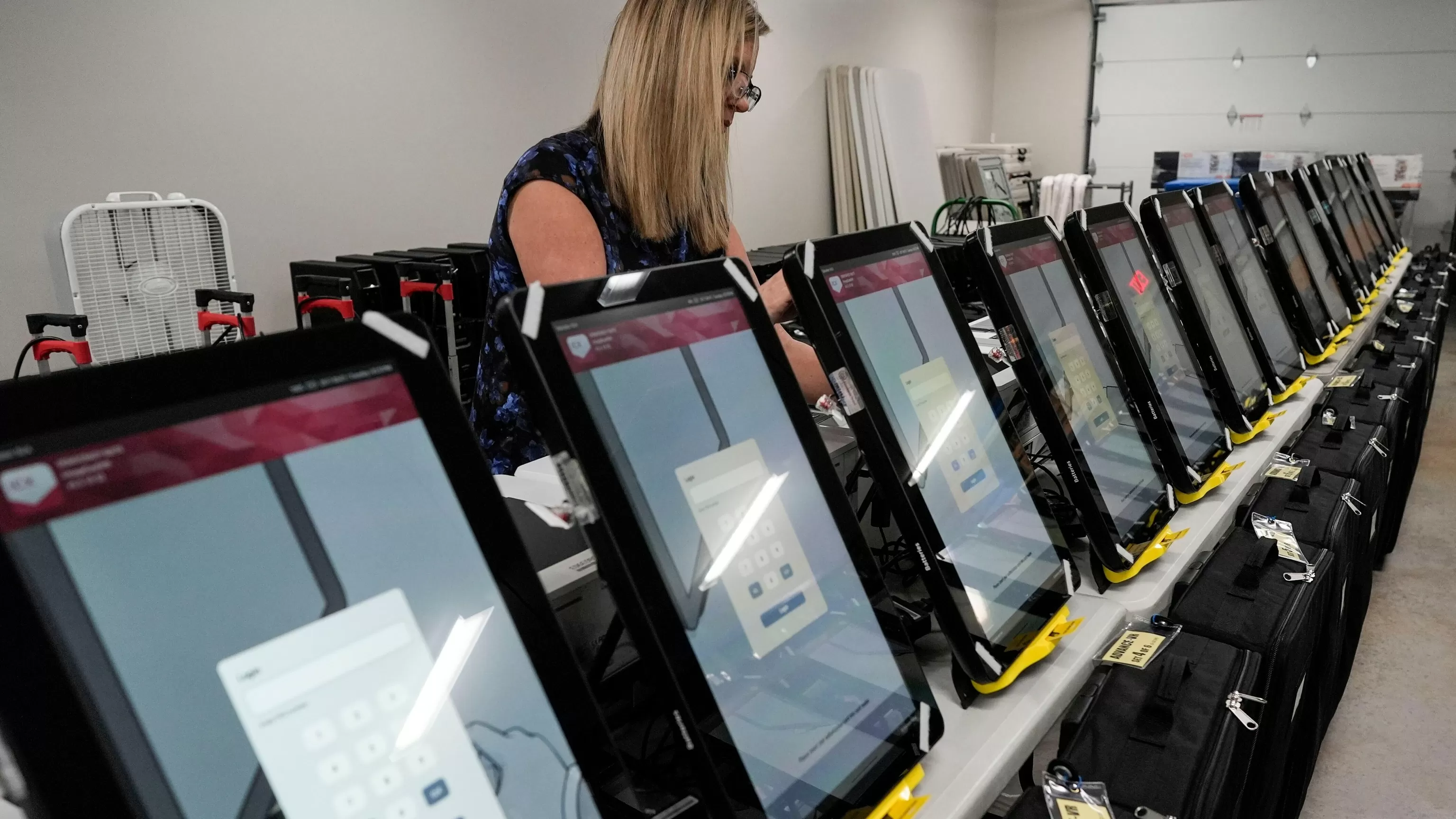
As the Georgia General Assembly wraps up its annual session, one of the biggest concerns facing the state has not been addressed- the need for new voting equipment. With a looming July deadline, the lack of a concrete plan to overhaul Georgia's voting system has left many citizens worried and wondering what the future holds for their state.
The urgency to update Georgia's voting equipment cannot be overstated. The current system, which uses outdated electronic voting machines, has been plagued with concerns over security and accuracy. In 2017, a lawsuit was filed by citizens and advocacy groups, challenging the integrity of the state's voting system. While the lawsuit was ultimately dismissed, it brought to light the pressing need for change.
Despite this pressing need, the Georgia General Assembly has failed to deliver a clear plan for new voting equipment. This is a significant disappointment for both citizens and election officials who have been advocating for an updated and secure voting system for years.
One of the main reasons for this failure is the lack of bipartisan support for any one specific solution. While there is a general consensus that the current voting system needs to be replaced, there is a lack of agreement on which type of technology to use. Some legislators have pushed for a return to paper ballots, arguing that it is the most secure and reliable option. Others have pushed for a hybrid system, which would combine paper ballots with electronic technology. The inability to reach a consensus has resulted in a stalemate, leaving the state without a concrete plan.
The issue of funding has also played a significant role in this failure. The cost of implementing a new voting system is estimated to be around $150 million, a price tag that many legislators are hesitant to commit to. With a tight budget and competing priorities, the funding for new voting equipment has not been a top priority for some lawmakers.
However, the lack of a clear plan and funding should not be used as an excuse to delay the update of Georgia's voting system. The July deadline is quickly approaching, and it is crucial that the General Assembly takes swift action to address this issue. The citizens of Georgia deserve to have a secure and reliable voting system, and it is the responsibility of their elected officials to ensure that this happens.
Furthermore, the delay in implementing new voting equipment could have severe consequences for the state. In addition to the concerns over security and accuracy, the potential for long lines and confusion at polling places during the upcoming elections is a significant worry. This could result in voter suppression and a lack of faith in the democratic process.
It is time for the Georgia General Assembly to put aside their differences and work towards a solution that benefits the state and its citizens. The current failure to address this issue has only exacerbated the problem, and it is time to take action.
However, despite the disappointment and frustration, there is still hope. Governor Brian Kemp has expressed his commitment to addressing this issue, stating that he will work with the General Assembly to find a solution. Additionally, the Secretary of State's office has begun the process of exploring and testing new voting equipment options. These are positive steps towards finding a solution before the July deadline.
In conclusion, the failure of the Georgia General Assembly to address the urgent need for new voting equipment is a cause of concern. However, it is not too late for the state to find a solution. With bipartisan support and a commitment to finding the necessary funding, Georgia can have a secure and reliable voting system in place before the upcoming elections. It is time for our elected officials to put the needs of the citizens above political differences and work towards a solution that will benefit the state as a whole.