Free Speech Protection Could Sway Labour's Electoral Prospects
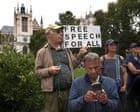
Free Speech Protection Emerges as Key Electoral Issue
Recent polling commissioned by Liberty, a prominent human rights organization, has revealed that free speech protection represents a significant concern for British voters ahead of the next general election. The survey, conducted in partnership with More in Common, demonstrates that citizens across the nation are increasingly focused on how political parties approach free speech issues, with many expressing concerns about the government's current direction on this fundamental right.
The findings underscore a growing disconnect between voter expectations and perceived government action on free speech protection. According to the data, substantial portions of the electorate believe that recent policies have negatively impacted the nation's commitment to protecting free speech, raising questions about how this issue might influence electoral outcomes.
Voter Sentiment on Free Speech and Electoral Behavior
The polling results paint a clear picture of free speech's importance in the electoral landscape. Three in five respondents indicated that a political party's position on free speech protection would directly affect their voting choices at the general election. This statistic underscores the issue's prominence in voters' minds and its potential to shape electoral results.
Liberty has pointed to these findings as evidence that the government's approach to free speech protection may prove costly for Labour. The organization argues that failing to adequately defend this fundamental right could alienate significant voter segments who view free speech as non-negotiable in a functioning democracy.
Understanding Voter Concerns on Free Speech
The polling data reveals that voters harbor genuine concerns about the current state of free speech protection in Britain. Many respondents expressed the view that recent government policies and decisions have created a negative environment for open discourse and expression. These perceptions, whether based on specific legislative measures or broader policy directions, have clearly resonated with the electorate.
The survey suggests that free speech is no longer a peripheral issue confined to academic or activist circles. Instead, it has become a mainstream concern that influences how ordinary citizens evaluate political parties and their fitness to govern. This shift in voter priorities presents both challenges and opportunities for political parties seeking support.
Implications for Labour's Electoral Strategy
Liberty's analysis of the polling data highlights potential electoral risks for Labour if the party continues its current approach to free speech protection. The human rights organization contends that voters are paying close attention to how Labour addresses this issue and that dissatisfaction with the government's record could translate into lost votes at the ballot box.
The timing of these findings is significant, coming as political parties prepare for the next general election. Labour faces the challenge of reassuring voters that it takes free speech protection seriously while also addressing other policy concerns. How the party responds to these electoral signals regarding free speech could prove determinative in close electoral contests.
The Broader Democratic Significance
Beyond the immediate electoral implications, the polling results highlight the importance of free speech in British democratic discourse. Citizens clearly recognize that protecting free speech is essential to a healthy democracy, and they expect their elected representatives to demonstrate genuine commitment to this principle.
The fact that three in five voters say free speech protection influences their electoral choices suggests a mature electorate that understands the connection between fundamental rights and democratic governance. This voter consciousness presents an opportunity for political dialogue centered on how best to protect free speech while addressing legitimate concerns about its potential misuse.
Looking Forward to the General Election
As the next general election approaches, free speech protection is likely to remain a prominent issue in political campaigns and voter considerations. Liberty's polling provides valuable evidence that political parties cannot afford to ignore this concern or assume that voters lack strong views on the matter.
The human rights organization's message to Labour is clear: failing to adequately protect free speech could have real electoral consequences. This finding may prompt parties across the political spectrum to develop more robust positions on free speech protection and communicate those positions clearly to voters who are increasingly using this issue as a factor in their electoral decisions.