Five EU Leaders Push for Strengthened Partnerships with Britain
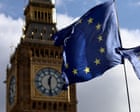
Five EU Nations Advocate for Enhanced EU-UK Cooperation
As European capitals prepare for significant diplomatic discussions, five prominent member states have issued a coordinated call for strengthened EU-UK cooperation, signaling renewed commitment to mutually beneficial partnerships. The initiative, led by senior officials from Germany, Belgium, the Netherlands, Luxembourg, and Denmark, represents a strategic effort to deepen bilateral engagement on critical policy areas.
Clean Energy as Catalyst for Partnership
The leadership coalition has specifically highlighted clean energy and sustainable development as central pillars for future EU-UK cooperation. In their formal communication to European Commission President Ursula von der Leyen and European Council President António Costa, these five nations have underscored the considerable advantages that coordinated environmental initiatives could yield for both the European Union and the United Kingdom.
Clean energy transition represents a shared challenge and opportunity across the broader European continent. By fostering collaborative frameworks, both sides can accelerate the deployment of renewable technologies, optimize grid infrastructure investments, and establish unified standards that strengthen market integration. The five European leaders recognize that fragmented approaches would ultimately undermine competitiveness in the global transition toward decarbonization.
Strategic Rationale Behind the Initiative
The coordinated letter from these five nations reflects a broader European recognition that post-Brexit relationships require deliberate cultivation and strategic focus. By concentrating efforts on areas of genuine mutual interest, European and British policymakers can transcend historical divisions and forge pragmatic partnerships grounded in shared economic and environmental imperatives.
Germany, as Europe's largest economy and industrial power, brings considerable weight to this initiative, given its substantial renewable energy investments and technological expertise. Belgium and the Netherlands, positioned at crucial European crossroads for energy distribution and trade, contribute vital logistics and infrastructure perspectives. Luxembourg's financial expertise and Denmark's pioneering clean energy accomplishments complete a coalition representing diverse yet complementary capabilities.
Implications for the Brussels Summit
This coordinated statement arrives at a strategically significant moment, preceding major EU-UK discussions at Brussels. The timing suggests these five nations seek to establish constructive momentum heading into formal negotiations, potentially influencing the broader European institutional response to bilateral relationship development.
The emphasis on clean energy reflects pragmatic policymaking, as this sector transcends traditional political divisions and offers genuine opportunities for technical collaboration. Energy security, supply chain resilience, and climate commitments provide concrete frameworks within which meaningful EU-UK cooperation can materialize, potentially establishing precedents for expanded partnership across additional policy domains.
Broader European Consensus Building
The participation of five distinct European nations in this coordinated appeal suggests emerging consensus regarding the strategic value of renewed EU-UK engagement. Rather than treating post-Brexit relations as a closed chapter, these leaders have signaled that constructive partnership remains achievable when guided by shared interests and pragmatic objectives.
Such consensus-building efforts among individual member states often precede more formal institutional positions adopted by broader European bodies. The willingness of these five governments to publicly advocate for closer ties indicates shifting European sentiment toward viewing Britain as a potential partner on critical global challenges, particularly in the energy transition and environmental sustainability spheres.
Looking Forward
As the Brussels summit approaches, the formal position articulated by Germany, Belgium, the Netherlands, Luxembourg, and Denmark will likely shape discussions among European leadership regarding optimal strategies for EU-UK cooperation. Their collective emphasis on clean energy and mutually beneficial partnership provides a concrete foundation upon which future diplomatic initiatives might develop.
The success of such collaborative efforts depends substantially upon corresponding receptiveness from British authorities and genuine political will from both the European Union and United Kingdom to prioritize substantive engagement over residual historical tensions. Should these five nations' advocacy translate into formal EU institutional support, meaningful EU-UK cooperation frameworks could emerge, benefiting economies and environmental objectives across Europe.