EU carbon border tax will force others to cut emissions from 2026
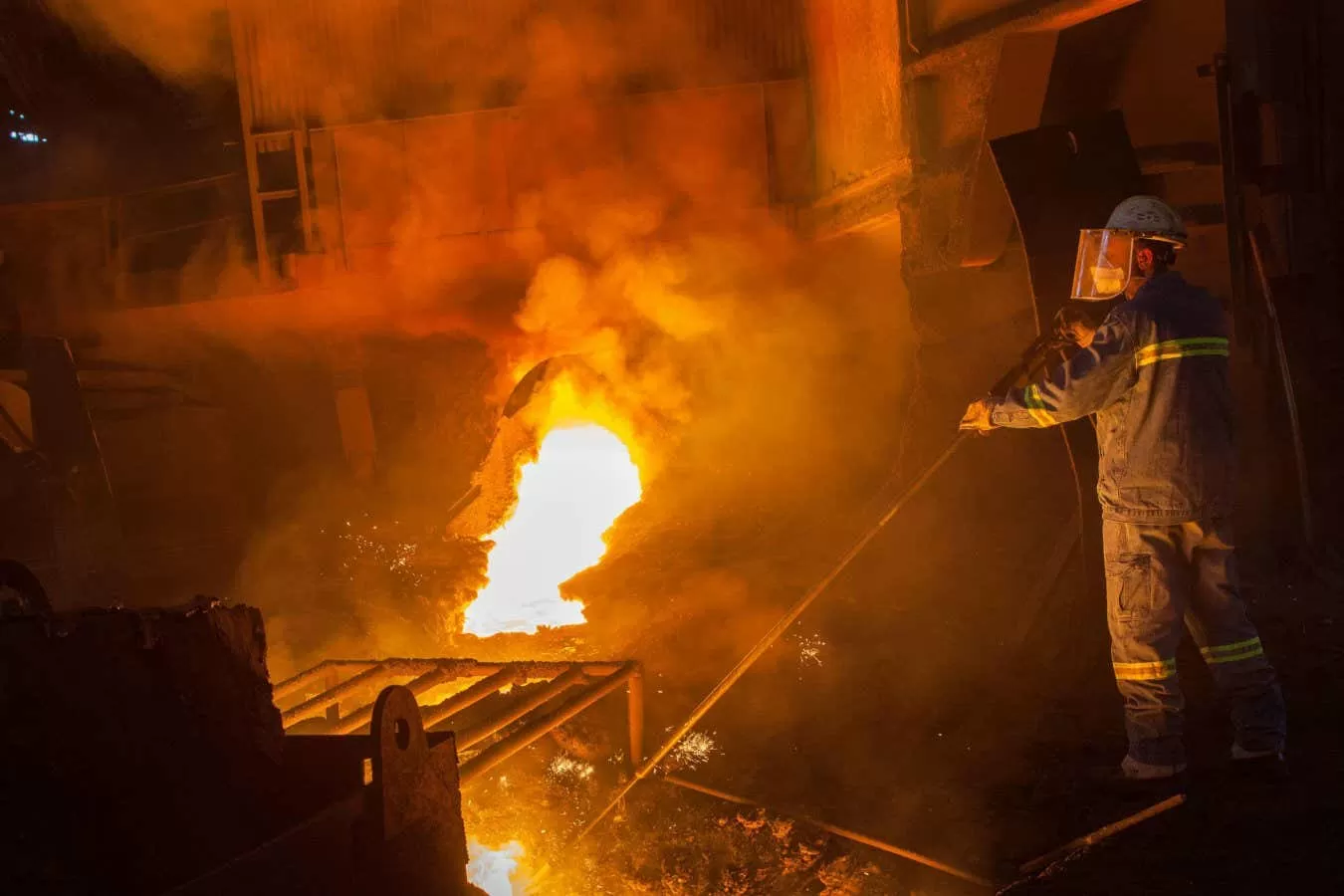
The European Union (EU) has always been at the forefront of climate change action and now, it is taking another bold step towards a more sustainable future. In 2026, the EU will start charging a carbon-emissions-based tax on imported goods such as steel, cement, and fertilizers. This move is not only a crucial step towards a greener economy but also sets an example for other countries to follow suit.
The EU Carbon Border Adjustment Mechanism (CBAM) is an ambitious plan that aims to reduce the carbon footprint of imported goods. Currently, the EU has a carbon pricing system for domestic industries known as the Emissions Trading System (ETS). However, this system does not apply to imported goods, giving them an unfair advantage over EU-produced goods. The CBAM aims to level the playing field by imposing a carbon tax on imported goods, making them more expensive and encouraging the use of more sustainable practices.
The decision to implement the CBAM was announced by the European Commission in July 2021 as part of the EU's ambitious Green Deal. The Green Deal aims to make the EU the first climate-neutral continent by 2050 and the CBAM is a crucial step towards achieving this goal. The CBAM will initially focus on high emitting sectors such as steel, cement, and fertilizers, which are responsible for a significant portion of the EU's carbon emissions. This will not only reduce the EU's carbon footprint but also promote the use of cleaner and more sustainable alternatives.
One of the primary concerns of the CBAM is the potential impact on trade relations with other countries. However, the EU has assured that the CBAM will be compatible with World Trade Organization rules and will not discriminate against any country. The CBAM will also have a phased implementation, starting with a monitoring period from 2023 to 2025, followed by a transitional period until 2026, and then a fully operational phase from 2026 onwards. This will give countries exporting to the EU enough time to adapt and make necessary changes to their production processes.
Some may argue that the CBAM will lead to an increase in prices for consumers. However, the EU has made it clear that the revenue generated from the CBAM will be reinvested in green initiatives, such as renewable energy projects and climate mitigation efforts. This will not only offset any potential price increases but also create new jobs in the green economy.
The implementation of the CBAM is a strong signal to the rest of the world that the EU is serious about tackling climate change and is willing to take necessary actions. It also puts pressure on other countries to step up their efforts towards a greener future. In fact, some countries, including the UK, have already expressed their interest in implementing a similar carbon tax on imported goods. This will not only create a level playing field for EU producers but also promote the use of sustainable practices globally.
Moreover, the CBAM is aligned with the EU's commitment to the Paris Agreement, which aims to limit global warming to well below 2°C. It also sends a clear message to the international community that the EU is committed to fulfilling its responsibilities as a global leader in climate action. The CBAM will also play a crucial role in achieving the EU's target of reducing greenhouse gas emissions by at least 55% by 2030.
In addition to reducing carbon emissions, the CBAM will also have a positive impact on the EU's economy. The revenue generated from the carbon tax will not only be invested in green initiatives but also contribute to the EU's economic recovery from the COVID-19 pandemic. The CBAM will also create a more competitive market for sustainable products, driving innovation and growth in green industries.
In conclusion, the European Union's decision to implement the CBAM in 2026 is a significant step towards a greener and more sustainable future. It not only aligns with the EU's commitment to tackling climate change but also sets an example for other countries to follow suit. The CBAM will not only reduce the EU's carbon footprint but also promote the use of sustainable practices globally. With the CBAM, the EU is sending a clear message that it is committed to building a better, greener, and more prosperous world for future generations.