Colombia's Internal Conflict Reshapes Presidential Race
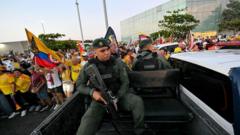
Colombia's Internal Conflict at the Heart of Electoral Contest
Colombia's presidential election has become increasingly shaped by the nation's persistent and escalating internal conflict, with the electoral race drawing clear lines between competing visions for resolving the country's security crisis. The central battleground of this Colombia presidential election centers on fundamentally different approaches to addressing the influence of armed gangs that continue to destabilize regions across the nation.
The competition pits a progressive left-wing senator, who advocates for dialogue-based solutions with armed organizations, against an unconventional candidate who has garnered backing from international figures including former U.S. President Donald Trump. This stark contrast reflects deeper divisions within Colombian society about how to confront decades of conflict and criminal organization activities.
The Progressive Vision: Negotiation and Dialogue
The left-wing senator representing one pole of this Colombia presidential election has built his campaign platform on the premise that diplomatic engagement with armed gangs offers a pathway toward lasting peace. This approach contrasts sharply with traditional military or enforcement-focused strategies that have dominated previous administrations.
Proponents of this negotiation-centered model argue that sustained dialogue can address root causes of gang recruitment, including poverty, limited economic opportunity, and territorial control disputes. The senator's position reflects broader left-wing ideology emphasizing social inclusion and conflict resolution through communication rather than coercive measures.
His campaign messaging emphasizes that criminal organizations operate within specific socioeconomic contexts, and that addressing these underlying conditions while maintaining open channels of communication could reduce violence more effectively than purely punitive approaches. This framing seeks to appeal to voters frustrated with cycles of violence and seeking transformative change.
The Outsider Candidate: International Backing and Alternative Approach
The opposing candidate represents a distinctly different political trajectory, positioning himself as an outsider unburdened by traditional political establishment structures. His campaign has benefited from international endorsements, most notably from Trump, which signals a different ideological orientation regarding security and gang-related threats.
This candidate's platform appears to emphasize firmer stances on law enforcement and security operations, aligning with Trump-style governance approaches that prioritize strong executive action and decisive confrontation with criminal organizations. The international backing underscores how this Colombia presidential election has attracted global political attention and reflects broader geopolitical interests in the region.
The Broader Security Crisis Context
Understanding this electoral dynamic requires recognizing the severity of Colombia's ongoing internal conflict. Armed gangs control significant territory, engage in drug trafficking, extortion, and violence against civilians, and compete for regional dominance through brutal means.
The conflict has displaced thousands of people, destabilized entire communities, and created humanitarian crises in affected regions. Criminal organizations have evolved beyond traditional cartel structures, operating as complex networks with political influence and territorial military capacity. This complexity explains why the presidential candidates propose such divergent solutions.
The security situation has worsened in recent years in specific regions, with gang violence intensifying and expanding into areas previously considered relatively stable. Civilian casualties continue to mount, and the psychological toll of persistent violence affects entire populations living under gang control or caught between rival organizations.
Electoral Implications and Voter Concerns
Colombian voters face a consequential choice between fundamentally different approaches to security and gang violence. The Colombia presidential election reflects whether citizens believe in diplomatic solutions to armed conflict or prefer stronger enforcement mechanisms.
Polling suggests significant portions of the electorate remain deeply concerned about personal safety, economic impacts of gang activity, and the state's capacity to restore order. Rural voters in gang-controlled territories face particular challenges, as gang violence directly affects their daily lives, livelihood security, and access to services.
Urban voters navigate different dimensions of the crisis, including extortion networks, street-level gang activity, and the broader economic consequences of instability. These varied experiences create diverse voter priorities regarding which approach might prove more effective.
International Dimensions and Strategic Interests
The presence of international actors in this Colombia presidential election reflects broader hemispheric interests. The Trump endorsement signals particular geopolitical alignments, while other international observers monitor the outcome for drug trafficking implications and regional stability.
The United States maintains significant strategic interests in Colombian security outcomes, given drug trafficking routes, resource interests, and broader Latin American diplomatic concerns. International development organizations and human rights groups also monitor this Colombia presidential election closely, given its potential impacts on displacement, humanitarian protection, and transitional justice.
Conclusion: A Nation at a Crossroads
This Colombia presidential election represents far more than routine political competition. It constitutes a fundamental referendum on how the nation should confront its internal conflict and the armed gangs perpetuating violence. Voters must weigh whether negotiation and social inclusion or stronger security enforcement offers the better path forward for Colombian security and stability.


