Child's Fall from London Flat: Safety Gaps Exposed
Tragic Death Highlights Safety Concerns in Social Housing
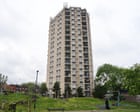
A child fell from window at a London high-rise residence, prompting serious questions about residential safety standards. The inquest into the death of five-year-old Aalim Ahmed revealed that additional protective measures could have prevented this tragic incident at the Plaistow tower block in east London.
Aalim, who was on the autism spectrum, died following the fall from a 15th-floor kitchen window in May 2024. His father, Makail Ahmed, was staying with his family in temporary social housing accommodation when the tragedy occurred. The discovery was made shortly before 6 in the morning on 16 May, when Makail found his young son below the flat.
Circumstances Leading to the Fatal Fall
The residential tower block where the incident took place was temporary social housing provided by local authorities. According to evidence presented during the inquest proceedings, Aalim's family had previously submitted requests to be relocated from the property due to safety concerns they had identified. These requests, however, had not been acted upon prior to the fatal event.
The kitchen window from which the child fell was situated on the 15th floor, creating a significant height risk. Investigators and safety experts who examined the flat during the inquest determined that the window presented a hazard for a young child, particularly one with autism who may require additional supervision and environmental modifications.
Safety Measures That Could Have Prevented the Tragedy
During the inquest hearings, experts testified that various safety enhancements could have been implemented to protect residents, especially vulnerable children. Window restrictors, which limit how far windows can be opened, were identified as one measure that was absent from the flat. Such devices are designed to allow ventilation while preventing falls from height.
Additionally, the inquest heard evidence about the lack of comprehensive risk assessments for families with young children or disabled dependents living in high-rise temporary housing. Standard safety protocols in such accommodations should include environmental evaluations tailored to each household's specific needs.
Expert witnesses emphasized that housing authorities have a responsibility to implement appropriate safeguarding measures in properties where vulnerable populations reside. The absence of these basic protective installations raised serious questions about duty of care and housing standards in temporary accommodation facilities.
Family's Previous Safety Concerns
The Ahmed family's earlier requests to relocate from the tower block suggested they had recognized potential risks in their living situation. These requests had been made to housing authorities prior to the tragedy, indicating that concerns about the flat's suitability were documented and known to officials responsible for managing social housing.
The failure to address these relocation requests adds another layer of concern to the case. When families express anxiety about their safety in temporary housing, particularly when they have children with additional needs, such communications should trigger immediate assessment and action.
Implications for Housing Standards
This inquest has brought attention to broader issues affecting temporary social housing in London and across the country. The case demonstrates how gaps in safety standards, combined with delayed responses to family concerns, can create dangerous living conditions for vulnerable residents.
The evidence presented during the proceedings underscores the importance of regular safety audits, prompt response to resident concerns, and the installation of protective devices in high-rise accommodations where families with young children live. Housing authorities must ensure that all temporary properties meet rigorous safety requirements before families are placed there.
Ongoing Questions About Accountability
As the inquest concluded, important questions remained about accountability and systemic improvements. The testimony revealed that comparable incidents might be preventable through standardized safety measures and more responsive housing management practices.
The case of Aalim Ahmed serves as a sobering reminder of the critical need for robust safety standards in residential buildings, particularly those providing temporary housing to vulnerable families. Moving forward, this inquest is likely to influence policy discussions regarding minimum safety requirements for high-rise social housing accommodation across London and beyond.