Cambridge Professor Jason Arday Found Dead After Plagiarism Controversy
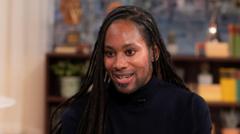
Cambridge Professor Jason Arday Passes Away Amid Plagiarism Allegations
The academic community has been shaken by the news that Jason Arday, the Cambridge professor who became the center of a significant plagiarism row, has been found dead in London. The prominent scholar's passing marks a tragic conclusion to a period of intense scrutiny surrounding allegations of academic misconduct that had overshadowed his otherwise distinguished career in recent months.
Family Statement and Immediate Response
Following the discovery on Friday, Jason Arday's family released a statement expressing their profound grief. According to the family's words, they remain "in shock to have lost this amazing father, partner, brother, uncle and son." The statement reflects the personal dimensions of the loss, emphasizing his roles beyond academia and the impact his death has had on those closest to him. The family's public acknowledgment came as colleagues and institutions began responding to news of his unexpected death.
Background on the Plagiarism Controversy
Jason Arday's situation at Cambridge had become increasingly complicated following serious allegations of plagiarism in his academic work. These accusations had raised questions about the integrity of his publications and scholarly contributions. The controversy had generated substantial discussion within academic circles and beyond, concerning standards of originality and academic ethics in higher education institutions.
The allegations emerged after careful examination of his published work, leading to institutional reviews and broader conversations about plagiarism detection and academic accountability. For Cambridge, the situation represented a significant challenge to institutional reputation and procedures for addressing such serious allegations against faculty members.
Legacy and Academic Career
Despite the recent turmoil, Jason Arday had established himself as a notable figure in academic scholarship before the plagiarism questions surfaced. His work had contributed to discussions within his field, and he held positions of significance at one of the world's leading educational institutions. His career trajectory had been marked by advancement and recognition until the allegations came to light.
The Cambridge professor's path to academic prominence had been noteworthy in itself, as his achievement of a professorship at such a prestigious institution represented significant professional accomplishment. However, the plagiarism controversy had fundamentally altered the trajectory of his career and public perception in the months preceding his death.
Impact on Cambridge University and Academic Community
The death of Jason Arday creates additional complexity for Cambridge University's response to the plagiarism allegations. Institutions must now balance appropriate investigation protocols with sensitivity to the circumstances surrounding his passing. The situation raises questions about institutional procedures, the pressures faced by academics under investigation, and the broader implications for academic standards.
The academic community has been forced to confront difficult questions about how institutions address plagiarism allegations and the potential consequences for individuals involved. The timing of his death in relation to the ongoing controversy has drawn attention to the mental and emotional toll of such investigations on affected parties.
Looking Forward
As institutions and colleagues reflect on Jason Arday's passing, the incident underscores the complexity of addressing academic misconduct while maintaining compassion for those involved. The situation serves as a reminder of the human dimensions behind institutional policies and the importance of supporting individuals facing serious allegations.
The death of the Cambridge professor marks a somber chapter in a story that combined questions of academic integrity with personal tragedy, leaving the academic world and his family to process the loss of a figure who represented both achievement and controversy in contemporary scholarship.


