Budget 2026: Healey Raises Bank and Landlord Taxes
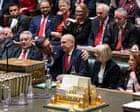
Chancellor's First Budget Introduces Tax Increases on Financial and Property Sectors
Chancellor John Healey has unveiled his inaugural budget for 2026, implementing significant tax increases on banks and landlords to finance emergency financial support for millions of British households. The Budget 2026 tax increases represent a substantial shift in fiscal policy aimed at addressing the persistent cost of living crisis gripping the nation.
The government's decision to raise taxes on these two key economic sectors signals a deliberate strategy to redistribute resources toward vulnerable families struggling with energy costs and household expenses. This Budget 2026 tax increases announcement comes as economic forecasts reveal little prospect of relief in the near term.
£100 Winter Payment for 20 Million Families
The centerpiece of Healey's fiscal package is a £100 winter handout targeting approximately 20 million households across the United Kingdom. This emergency payment aims to provide immediate relief during the winter months when energy bills traditionally reach their highest levels and family budgets face maximum strain.
The scope of this initiative underscores the government's acknowledgment that the cost of living crisis continues to devastate household finances on an unprecedented scale. By reaching one-third of all British households, the payment program demonstrates the breadth of economic hardship affecting the nation's families.
Global Economic Factors and Energy Price Volatility
In his parliamentary address, Chancellor Healey attributed the sluggish economic outlook to what he termed "global economic storms," specifically referencing international conflicts affecting energy markets. The ongoing tensions in Iran have created significant upward pressure on oil and gas prices, contributing substantially to elevated energy costs for British consumers and businesses alike.
These geopolitical factors, largely beyond the direct control of domestic policymakers, have complicated efforts to stabilize prices and provide certainty for households and businesses dependent on energy supplies. The chancellor's emphasis on external factors provides context for the government's decision to implement targeted financial support.
Tax Strategy: Banks and Landlords Bear Increased Burden
The Budget 2026 tax increases targeting banks represent a significant intervention in the financial services sector. By imposing higher tax obligations on financial institutions, the government aims to generate substantial revenue while potentially encouraging more responsible lending practices and investment decisions.
Simultaneously, tax increases affecting landlords signal an intention to address housing affordability concerns and reshape the rental property market. These measures reflect broader policy objectives extending beyond immediate cost-of-living relief to encompass long-term structural economic challenges.
Forecasts Indicate Persistent Economic Challenges
Official economic forecasts presented alongside the budget reveal a sobering assessment of the UK's economic trajectory. Predictions suggest that cost of living pressures will continue to influence household spending patterns and economic activity for the foreseeable future, with no near-term resolution apparent on the horizon.
These forecasts justify the government's decision to implement proactive fiscal measures rather than adopt a wait-and-see approach. By acknowledging the severity and duration of economic challenges, policymakers have signaled their commitment to providing targeted support while pursuing longer-term structural reforms.
Limited Surprises in Fiscal Announcements
The chancellor's budget speech, characterized by restrained rhetoric and measured policy announcements, contained relatively few unexpected elements. This low-key approach contrasts sharply with some previous budget presentations, reflecting perhaps a more cautious political climate or deliberate strategic choice to emphasize stability and continuity.
The focus on explaining external economic pressures and justifying specific policy responses suggests an administration keen to frame its decisions within a narrative of responsible fiscal management during troubled times. This rhetorical strategy aims to build public understanding and acceptance of tax increases necessary to fund support programs.
Implications for Households and the Broader Economy
The combination of tax increases and direct financial support creates a complex fiscal picture with implications extending far beyond the immediate winter period. While the £100 payment provides temporary relief for eligible households, the tax increases on banks and landlords may influence broader economic behavior and market dynamics.
Banks facing higher tax obligations may adjust lending practices or fee structures, while landlords confronting increased tax burdens could modify rental pricing or investment decisions. These secondary effects warrant close monitoring as the economy responds to the government's fiscal interventions throughout 2026 and beyond.