Bank of England's Cautious Stance May Prolong Rate Hikes
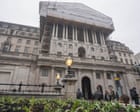
Bank of England Interest Rates Under Scrutiny
Prominent economic research institute Niesr has issued a critical assessment of the Bank of England interest rates strategy, cautioning that recent policy decisions may entrench inflationary pressures across the British economy. The institution argues that the central bank's measured approach to rate adjustments represents a missed opportunity to combat rising prices decisively.
The Bank of England interest rates decision last week came under fire from analysts who believe the incremental approach fails to address the underlying economic challenges. Economists at Niesr contend that this conservative methodology could force prolonged periods of elevated borrowing costs, fundamentally altering the economic landscape for households and businesses alike.
Inflation Persistence and Long-Term Implications
According to the National Institute of Economic and Social Research assessment, the current trajectory suggests inflation persistence well beyond previously anticipated timelines. The organization projects that consumer price increases may remain above the Bank's established 2% target throughout the remainder of the decade, maintaining pressure on household finances and corporate investment decisions.
This extended inflationary environment would represent a significant departure from historical norms and challenge the central bank's credibility in managing price stability. The research institute emphasizes that more aggressive early intervention could have prevented such prolonged economic strain on UK residents and businesses operating in an uncertain environment.
Monetary Policy Effectiveness Questioned
The critique of current Bank of England interest rates policy highlights fundamental disagreements about the optimal timing and magnitude of monetary adjustments. Niesr experts argue that incremental rate increases, while less disruptive in the short term, ultimately require more total tightening to achieve desired outcomes. This approach risks creating boom-and-bust cycles that destabilize financial markets and consumer confidence.
The central bank's cautious positioning reflects concern about economic fragility following pandemic-related disruptions and geopolitical uncertainties. However, Niesr maintains that this defensive posture inadvertently validates inflation expectations, making future price stabilization considerably more challenging and costly. The institute points to historical precedent suggesting that earlier, more resolute action yields superior long-term outcomes.
Economic Forecasting and Policy Direction
Leading up to the recent interest rate announcement, market observers anticipated a more decisive move from the Bank of England interest rates committee. Instead, the institution opted for measured increments, disappointing those who anticipated bolder intervention. This approach reflects the central bank's stated preference for data-dependent decision-making, though critics argue it prioritizes short-term market stability over medium-term price control.
Niesr's projections suggest that if current policy trajectories persist unchanged, the cumulative economic cost of persistent inflation and elevated interest rates will substantially exceed costs associated with earlier, sharper adjustments. The analysis indicates that households will face compressed real incomes for extended periods, while businesses confront elevated financing expenses that suppress investment and employment growth.
Implications for UK Economy and Households
The potential prolongation of higher interest rates carries profound consequences for mortgage holders, savers, and investors across the United Kingdom. Mortgages linked to Bank of England interest rates benchmarks would remain expensive, limiting homeownership accessibility for younger demographics and constraining housing market activity. Simultaneously, businesses dependent on credit financing face ongoing pressure on profitability and expansion plans.
Savers may experience temporary benefits from elevated deposit rates, though inflation erosion would continue reducing real returns on cash holdings. The cumulative effect creates winners and losers across economic segments, with particular vulnerability evident among lower-income households already struggling with elevated living costs.
Forward-Looking Analysis and Alternatives
Niesr advocates for recalibrated monetary policy approaches that balance immediate economic stability with long-term price control objectives. The institute suggests that transparent communication regarding future interest rate trajectories could help anchor inflation expectations, potentially reducing the ultimate extent of tightening required. Clear guidance about the central bank's reaction function might influence behavior without necessitating aggressive immediate adjustments.
The debate surrounding Bank of England interest rates strategy reflects broader uncertainties about optimal responses to supply-driven inflation versus demand-based price pressures. Different economic schools propose alternative frameworks for addressing these challenges, each carrying distinct tradeoffs regarding employment, growth, and price stability outcomes over varying timeframes.
As economic conditions evolve and new data emerges, policymakers at the Bank of England face continuous reassessment of their chosen trajectory. Niesr's analysis contributes to ongoing professional discussion about monetary policy effectiveness, challenging assumptions underlying current decision-making processes and encouraging rigorous examination of alternative approaches that might better serve the UK economy's long-term interests.