Bahrain waters down UN proposal over opposition to allowing force to open Strait of Hormuz
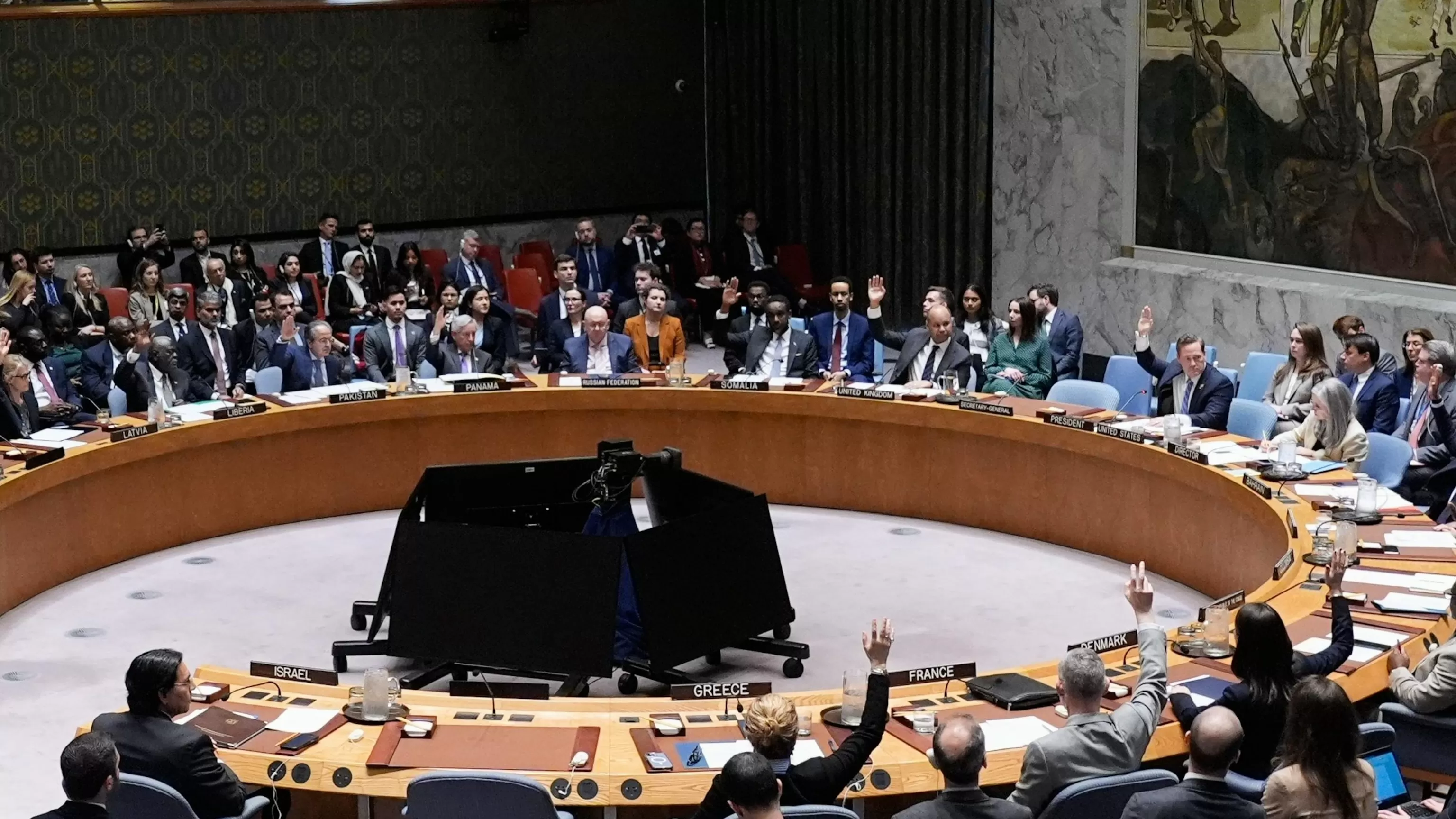
Bahrain has significantly watered down a proposed U.N. resolution on reopening the Strait of Hormuz
The Strait of Hormuz, located between the Persian Gulf and the Gulf of Oman, is a vital waterway that sees a fifth of the world's oil supply pass through its narrow channel. With heightened tensions in the region, due to retaliatory actions between the United States and Iran, the safety and security of this strategic route has become a global concern. In order to address this issue, a draft resolution was proposed by Bahrain at the United Nations Security Council on the reopening of the Strait of Hormuz. However, it is disappointing to see that Bahrain has significantly watered down this resolution, which was widely expected to have a positive impact on the situation.
The proposed resolution initially called for a collective effort and cooperation among all nations to ensure the safe passage of vessels through the Strait of Hormuz. It emphasized the importance of respecting international maritime laws and advocated for the strict adherence to freedom of navigation. This was a crucial step towards protecting the interests of all countries, including those that heavily rely on the oil transportation through the Strait. However, in the final version that was submitted to the Security Council, these vital points were removed, and the resolution was diluted to solely focus on the immediate issue of ensuring the safety of shipping lanes through the appointment of a U.N. mediator.
This watered-down version of the resolution not only undermines the initial purpose of the draft but also fails to provide a comprehensive solution to the ongoing tensions in the region. It is clear that Bahrain has taken a step back from its role as a leading voice in the Gulf region and has succumbed to external pressures. This decision is not only disappointing but also raises concerns about Bahrain's commitment to protecting the interests of its neighboring countries.
Moreover, Bahrain's weakened resolution has received criticism from other nations, including members of the Security Council. Many have expressed their disappointment and urged Bahrain to reconsider its stance. Kuwait, a country that has been actively involved in facilitating dialogue between the U.S. and Iran, has also expressed its disappointment in Bahrain's decision. In a recent statement, the Kuwaiti Foreign Ministry emphasized the need for a comprehensive and balanced resolution to address the situation in the Gulf region.
The repercussions of this action by Bahrain are not limited to the Gulf region but have global implications as well. With the Strait of Hormuz being a major passageway for global oil supplies, any disruption or tension in the region can lead to a rise in oil prices, affecting the global economy. It is essential for all nations to come together and find a long-term solution that addresses the core issues at hand, instead of merely focusing on short-term measures.
The decision by Bahrain to water down the proposed resolution is a missed opportunity to demonstrate leadership and promote peace and stability in the region. It is time for all nations to step up and take the necessary actions to ensure the security of the Strait of Hormuz, which is crucial for the stability of the global economy. Bahrain must reconsider its stance and work towards a more comprehensive and effective solution that addresses all aspects of the ongoing tensions in the region.
In the spirit of promoting peace and security, Bahrain, along with other Gulf nations, should prioritize dialogue and diplomacy to resolve the current crisis. All nations must uphold their responsibility to ensure the safety and security of the Strait of Hormuz, as it is essential for the prosperity and stability of the entire region.
In conclusion, the decision by Bahrain to significantly water down the proposed U.N. resolution on reopening the Strait of Hormuz is deeply concerning and falls short of addressing the critical issues at hand. It is crucial for nations to come together and work towards achieving a comprehensive and lasting solution to ensure the safety and security of one of the world's most vital waterways. Let us hope that Bahrain takes into consideration the concerns raised and moves towards a more robust resolution that truly reflects the interests of all nations involved.