Afghan Women's Lives Transformed Under Five Years of Taliban Governance
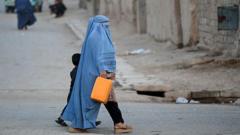
The Dramatic Transformation of Afghan Women's Lives Under Taliban Control
Afghan women Taliban rule has fundamentally reshaped the daily existence of millions across the nation over the past five years. From Kabul to remote provinces, women have shared deeply personal accounts with international media outlets documenting how their opportunities, freedoms, and access to essential services have been drastically curtailed. These testimonies paint a portrait of a society where female citizens face unprecedented restrictions that have infiltrated every aspect of their professional, social, and personal spheres.
Public Punishment and Violence Against Women
One of the most disturbing aspects of the current Afghan women Taliban rule regime involves the implementation of public punishments. Women have reported witnessing and experiencing floggings in public spaces, a practice that has become increasingly frequent in recent years. These physical punishments are often administered for perceived violations of strict dress codes, behavior standards, or other infractions defined by Taliban authorities. The psychological impact of such visible punishment extends beyond those directly affected, creating a climate of fear that constrains the behavior and movement of women throughout Afghan communities.
Female citizens describe the humiliation of being punished in front of family members, neighbors, and strangers. The practice reinforces a system of social control where women internalize restrictions not merely because of official rules, but because of the genuine threat of public consequences. Human rights organizations have documented hundreds of cases, though many incidents go unreported due to fear of further retaliation or family shame.
Employment Barriers and Economic Hardship
The employment crisis affecting Afghan women represents another critical dimension of their deteriorating circumstances. Women who previously worked as teachers, healthcare professionals, government officials, and in various private sector roles have found themselves abruptly removed from their positions. The Taliban's policies have systematically excluded women from most employment opportunities, creating unprecedented economic hardship for millions.
Those who managed to retain employment face severe restrictions on working hours, workplace interactions, and professional responsibilities. Teachers have been prohibited from educating female students beyond certain grades, effectively ending careers that women built over decades. Healthcare workers report inability to treat male patients or work in mixed-gender environments, significantly reducing the scope of medical services available across the country.
The economic impact of these Afghan women Taliban rule employment restrictions has been devastating for families dependent on female income earners. Single mothers, widows, and women from poor backgrounds face acute vulnerability as their earning capacity evaporates. This economic exclusion forces many women into situations of extreme poverty and dependency, further limiting their autonomy and decision-making power within their households.
Healthcare Access and Life-Threatening Barriers
Perhaps most alarming are the barriers women face accessing essential healthcare services. The current Afghan women Taliban rule system has imposed restrictions on female patients receiving treatment from male doctors, severely limiting medical care availability across the country. In a healthcare system where male physicians outnumber female ones by a significant margin, this policy creates dangerous situations where women cannot receive timely treatment for emergencies and serious conditions.
Pregnant women have reported difficulty accessing prenatal and maternal healthcare, contributing to rising maternal mortality rates. Mental health services for women have been drastically reduced, despite increased psychological trauma from the Taliban regime's policies. Women suffering from injuries, infections, or chronic diseases frequently lack access to appropriate care, as gender segregation policies prevent adequate medical treatment.
Families have described agonizing situations where female relatives could not receive treatment for life-threatening conditions because appropriate female medical staff were unavailable. Young girls and adolescent females face particular challenges accessing reproductive health services, education about bodily health, and treatment for medical complications.
Education Restrictions and Future Prospects
The curtailment of educational opportunities represents a longer-term crisis affecting Afghanistan's female population. Secondary education for girls has been severely restricted under Afghan women Taliban rule policies, with many schools closed to female students beyond the sixth grade. This educational exclusion eliminates pathways to professional careers and economic independence that previous generations of Afghan women had begun to establish.
University attendance for women has been prohibited or severely limited, effectively ending aspirations of countless young women who dreamed of becoming doctors, engineers, lawyers, and academics. The loss of education perpetuates cycles of dependency and limits women's capacity to shape their own futures or contribute meaningfully to national development.
Social Restrictions and Movement Limitations
Beyond specific policy areas, Afghan women Taliban rule enforces extensive social restrictions on women's movement, dress, and social interaction. Women must wear burqas in public and cannot travel without male accompaniment in many areas. These requirements fundamentally restrict women's agency, mobility, and independence in ways that extend into every dimension of daily life.
The psychological burden of such comprehensive restrictions has contributed to increased rates of depression, anxiety, and other mental health challenges among female populations. Women describe lives characterized by constraint, fear, and diminished hope for meaningful improvement in their circumstances.
International Attention and Documentation
Major international media organizations have prioritized documenting these conditions, recognizing the historical significance of the decline in women's rights under Afghan women Taliban rule. These accounts serve as crucial evidence of systematic restrictions and as preservation of women's voices in the face of policies designed to silence them. The documentation efforts ensure that international attention remains focused on the deteriorating conditions affecting Afghanistan's female population.
Women's stories continue to emerge despite significant risks of retaliation, demonstrating remarkable courage in speaking publicly about their experiences. These testimonies contribute to growing international pressure regarding Afghanistan's human rights record and the treatment of women under Taliban governance.


