Advanced Microscope Technology Offers Hope Against Incurable Bowel Disease
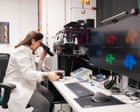
Revolutionary Microscope Technology Aims to Combat Incurable Bowel Disease
A groundbreaking advancement in microscopic imaging technology is poised to transform our understanding of incurable bowel disease, offering researchers unprecedented insight into the mechanisms underlying these devastating conditions. The innovative 'Curie' microscope represents a significant leap forward in diagnostic and research capabilities, operating at ten times the resolution of traditional microscopy systems. This extraordinary magnification power could unlock critical discoveries that lead to novel therapeutic approaches for patients suffering from these chronic ailments.
The emergence of this sophisticated instrument arrives at a crucial moment, as the global prevalence of debilitating bowel conditions among younger demographics continues its upward trajectory. Medical professionals and research scientists worldwide are increasingly focused on understanding the fundamental causes of incurable bowel disease, recognizing that current treatment options remain limited and often inadequate for many patients struggling with these lifelong health challenges.
The Growing Burden of Inflammatory Bowel Disease Worldwide
The scale of the challenge facing healthcare systems worldwide cannot be overstated. According to the British Society of Gastroenterology, more than half a million individuals across the United Kingdom are currently living with inflammatory bowel disease (IBD), a category that encompasses numerous chronic inflammatory conditions affecting the digestive tract. This substantial patient population represents only a fraction of those affected globally, highlighting the international scope of this public health concern.
Within the spectrum of inflammatory bowel disease, two primary forms dominate clinical presentations: Crohn's disease and ulcerative colitis. Both conditions cause severe inflammation throughout the gastrointestinal system, resulting in chronic pain, digestive complications, and substantial impacts on quality of life. Despite decades of medical research and pharmaceutical development, these forms of incurable bowel disease remain without curative treatments, with current therapies primarily focusing on symptom management and disease remission rather than permanent resolution.
Understanding the Molecular Basis of Inflammatory Conditions
The persistent challenge in treating incurable bowel disease stems largely from incomplete understanding of the underlying biological mechanisms that trigger and perpetuate inflammation. Researchers have long recognized that multiple factors—including genetic predisposition, immune system dysregulation, environmental influences, and microbial composition—contribute to disease development and progression. However, the precise interactions between these elements and their specific roles in pathogenesis remain incompletely understood.
This knowledge gap has hindered the development of targeted therapies capable of addressing the root causes of incurable bowel disease. Current treatment strategies often operate through broad immunosuppressive mechanisms that reduce inflammation but fail to address underlying disease triggers. The result is a therapeutic landscape characterized by incomplete efficacy and significant side effects, leaving many patients with inadequate disease control and ongoing suffering.
The Curie Microscope: A Revolutionary Research Tool
The introduction of the Curie microscope represents a watershed moment in biomedical research capabilities. This cutting-edge instrument achieves magnification levels ten times greater than conventional microscopy technologies, enabling researchers to visualize cellular and subcellular structures with unprecedented clarity and detail. Such enhanced resolution capabilities open entirely new avenues for investigating the microscopic pathology associated with incurable bowel disease.
The technical specifications of this advanced system allow researchers to examine tissue samples from patients with inflammatory bowel disease at resolutions previously unattainable. This enhanced visualization capability enables the identification of subtle architectural changes, cellular alterations, and molecular patterns that conventional microscopy simply cannot detect. For researchers investigating the pathophysiology of incurable bowel disease, such capabilities represent transformative opportunities to uncover previously hidden disease mechanisms.
Implications for Future Treatment Development
The potential impact of superior microscopic resolution extends far beyond academic research interest. By revealing the cellular and molecular basis of incurable bowel disease, the Curie microscope could catalyze a new era of targeted drug development. Understanding the specific pathological changes occurring in affected tissues provides pharmaceutical researchers with concrete molecular targets for therapeutic intervention.
This targeted approach to drug discovery represents a significant departure from the empirical methods that have dominated IBD treatment development historically. Rather than testing broadly acting immunosuppressive agents, researchers can now identify specific cellular processes driving inflammation and design molecules that precisely disrupt these pathological mechanisms. Such precision medicine approaches offer the potential for more effective treatments with improved safety profiles—critical advantages for patients managing chronic incurable bowel disease.
Accelerating the Path to Clinical Breakthroughs
The scientific community recognizes that the Curie microscope has catalyzed unprecedented momentum in research investigating incurable bowel disease mechanisms. Research teams across multiple institutions are mobilizing to leverage this technology for groundbreaking investigations. The enhanced visualization capabilities enable researchers to conduct studies that would have been impossible using conventional microscopy, potentially accelerating the timeline for meaningful clinical discoveries.
For the hundreds of thousands of individuals worldwide suffering from inflammatory bowel disease, this technological advancement offers genuine hope that new understanding will translate into improved treatment options. While the path from laboratory discovery to clinical application requires substantial additional research, validation, and regulatory approval, the availability of superior research tools substantially improves the likelihood of meaningful progress. The Curie microscope represents not merely an incremental improvement in laboratory technology, but rather a fundamental expansion of human capability to investigate the biological basis of incurable bowel disease and discover interventions capable of transforming patient outcomes.