
Infecting Mice with RSV: A Promising Breakthrough in Breast Cancer Research
Breast cancer is one of the most common types of cancer, affecting millions of women worldwide. Despite advancements in medical technology and treatments, it remains a leading cause of death among women. However, a recent study has shed light on a potential breakthrough in breast cancer research – infecting mice with RSV, a common virus that causes cold-like symptoms.
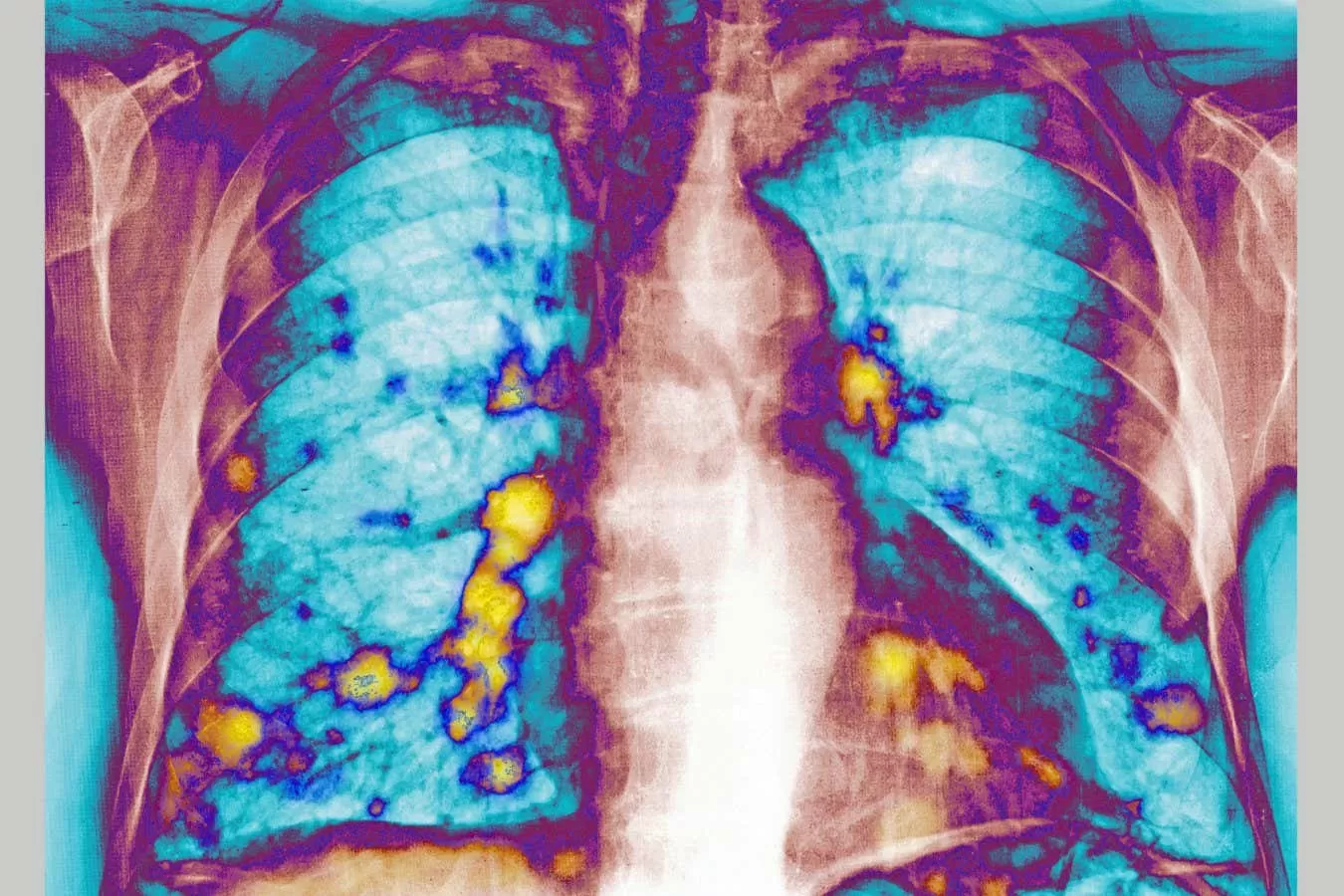
The study, conducted by researchers at the University of Leeds in the United Kingdom, found that infecting mice with RSV prevented breast cancer cells from reaching their lungs. This groundbreaking discovery could potentially lead to new treatments and prevention methods for breast cancer.
RSV, or respiratory syncytial virus, is a common virus that causes mild respiratory infections in healthy individuals. However, it can be dangerous for young children, older adults, and those with weakened immune systems. The virus is known to infect the lungs and cause symptoms such as coughing, wheezing, and difficulty breathing.
In the study, researchers infected mice with RSV and then injected them with breast cancer cells. They found that the virus triggered the release of proteins that stop viruses from replicating in the lungs. These proteins also made it harder for cancer cells to seed new tumors in the lungs.
Dr. Saima Ahmed, the lead researcher of the study, explained that the virus essentially created a “hostile environment” for the cancer cells in the lungs. This prevented them from growing and spreading, ultimately reducing the risk of metastasis – the process by which cancer cells spread to other parts of the body.
The results of this study are significant because metastasis is the primary cause of death in breast cancer patients. Once cancer cells spread to other organs, it becomes much more challenging to treat and can significantly reduce a patient’s chances of survival. Therefore, finding ways to prevent or slow down metastasis is crucial in the fight against breast cancer.
The researchers also noted that the effects of RSV on breast cancer cells were specific to the lungs. When they injected the cancer cells into other parts of the body, such as the liver or brain, the virus did not have the same effect. This further supports the idea that RSV could be a potential treatment for preventing lung metastasis in breast cancer patients.
While this study was conducted on mice, the researchers are hopeful that the results can be replicated in human trials. They believe that RSV could potentially be used as a preventative measure for women at high risk of developing breast cancer or as a treatment for those already diagnosed with the disease.
The potential of RSV in breast cancer research is not limited to its effects on metastasis. The virus has also shown promise in shrinking tumors and boosting the immune system’s response to cancer cells. These findings open up a whole new avenue for research and could potentially lead to more effective and less invasive treatments for breast cancer.
The study’s findings have been met with excitement and optimism by the medical community. Dr. Ahmed and her team’s work has been praised for its innovative approach and potential impact on breast cancer treatment. However, they caution that more research is needed before RSV can be used as a treatment for breast cancer in humans.
In conclusion, infecting mice with RSV has shown promising results in preventing breast cancer cells from reaching the lungs. This breakthrough discovery could potentially lead to new treatments and prevention methods for breast cancer, ultimately saving countless lives. The researchers’ dedication and hard work in this study give hope to millions of women battling breast cancer and their loved ones. With continued research and support, we can look forward to a future where breast cancer is no longer a life-threatening disease.
