
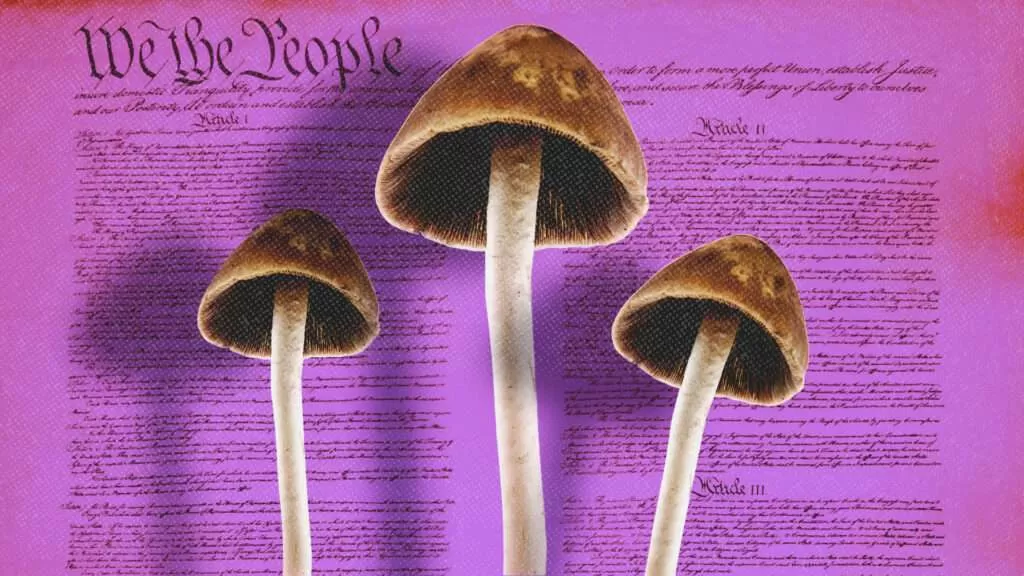
The use of psychedelics, also known as hallucinogens, has been a topic of debate for decades. These substances, such as LSD, psilocybin, and MDMA, have been used for centuries by various cultures for spiritual and medicinal purposes. However, with the rise of the medical model, the use of psychedelics has been restricted to government-approved reasons only. This approach has sparked controversy and raised questions about individual freedom and the role of the government in regulating personal choices.
The medical model is a framework that views mental illnesses as biological disorders that can be treated with medication and other medical interventions. This model has been widely accepted in the field of psychiatry and has led to the development of various drugs to treat mental illnesses. However, when it comes to psychedelics, the medical model takes a different stance. It assumes that these substances should only be used for specific, government-approved reasons, such as in clinical trials for treating mental disorders.
One of the main arguments for this approach is the potential risks and dangers associated with psychedelics. These substances can cause intense hallucinations, altered perception of reality, and loss of control. In the past, there have been cases of people experiencing adverse effects, including panic attacks and psychotic episodes, after using psychedelics. This has led to the belief that the use of psychedelics should be tightly regulated and only allowed for medical purposes under the supervision of healthcare professionals.
Moreover, the medical model also emphasizes the need for scientific evidence to support the use of psychedelics. While there have been studies showing the potential therapeutic benefits of these substances, there is still a lack of comprehensive research on their long-term effects and potential risks. Therefore, the medical model argues that until there is enough evidence to support the use of psychedelics, they should not be used for non-medical reasons.
However, this restrictive approach to psychedelics has been met with criticism from various groups and individuals. Many argue that the medical model overlooks the potential benefits of psychedelics for personal growth, spirituality, and creativity. These substances have been used for centuries in traditional ceremonies and rituals, and some argue that they have the potential to enhance self-awareness and promote psychological well-being.
Furthermore, the medical model assumes that the government has the authority to dictate what individuals can and cannot do with their own bodies. This raises questions about individual freedom and the right to make personal choices. Supporters of psychedelics argue that adults should have the autonomy to make informed decisions about their own well-being, as long as they do not harm others.
Moreover, the medical model’s emphasis on government approval limits the potential for further research and development of psychedelics. The strict regulations and barriers make it difficult for scientists to conduct studies on these substances, hindering the exploration of their potential benefits. This, in turn, limits the options for individuals seeking alternative treatments for mental illnesses.
In recent years, there has been a growing interest in the therapeutic potential of psychedelics, particularly in the treatment of mental disorders such as depression, anxiety, and PTSD. Some studies have shown promising results, and several countries, including the United States, have approved clinical trials for the use of psychedelics in therapy. This has sparked hope for those who have not found relief from conventional treatments and has led to a shift in the perception of psychedelics from being solely recreational drugs to potential medicines.
In conclusion, the medical model’s assumption that people should only be allowed to use psychedelics for government-approved reasons is a controversial topic. While the risks associated with these substances cannot be ignored, the restrictive approach limits the potential benefits and raises questions about individual freedom and the government’s role in regulating personal choices. As research on psychedelics continues to evolve, it is crucial to have an open and informed discussion on their potential uses and the best approach to regulate their use.
