
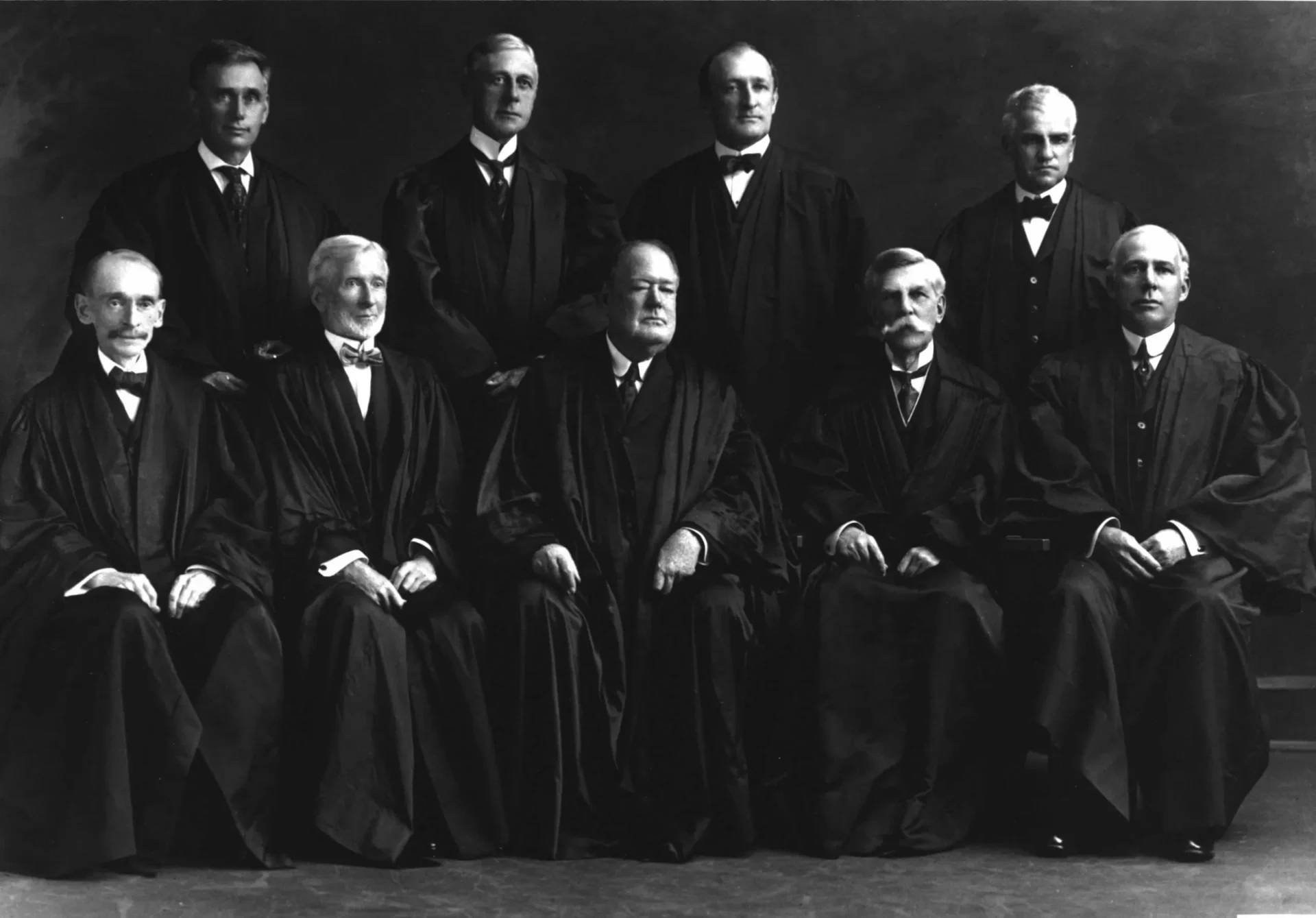
On April 19, 1920, a landmark decision was made by the United States Supreme Court in the case of Missouri v. Holland. This decision would have far-reaching implications for the relationship between state and federal power, and would solidify the federal government’s authority in matters of international treaties and agreements.
The case of Missouri v. Holland centered around the Migratory Bird Treaty Act of 1918, which was designed to protect migratory birds by regulating their hunting and sale. Missouri, a state with a strong hunting tradition, challenged the Act on the grounds that it was an overreach of federal power. The state argued that the regulation of hunting should be left to the individual states, and that the federal government had no authority in this matter.
However, the Supreme Court ruled in favor of the federal government, stating that the Migratory Bird Treaty Act was a valid exercise of Congress’s power to make treaties under the Constitution. In a 7-2 decision, the Court held that the federal government’s power in this case was not limited by state laws or the Tenth Amendment, which reserves powers to the states that are not specifically granted to the federal government.
This decision had significant implications for the balance of power between the federal government and the states. It reaffirmed the principle that the federal government has the authority to make treaties and that these treaties can override state laws. This was a major victory for the federal government, as it solidified its role as the ultimate authority in matters of international agreements.
The decision also had a profound impact on the interpretation of the Tenth Amendment. Prior to this case, there was much debate over the extent of the federal government’s power in relation to the states. The Court’s ruling in Missouri v. Holland reaffirmed that the Tenth Amendment does not limit the federal government’s power when it comes to matters of international treaties and agreements.
Furthermore, the decision in Missouri v. Holland also had implications for the protection of wildlife and the environment. The Migratory Bird Treaty Act was the first federal law to protect birds and their habitats, and it set a precedent for future conservation efforts. By upholding the Act, the Supreme Court sent a strong message that the federal government had a responsibility to protect the nation’s natural resources and that this responsibility extended beyond state lines.
The decision in Missouri v. Holland also highlighted the importance of international cooperation and the role of the United States in global affairs. By upholding the Migratory Bird Treaty Act, the Supreme Court recognized the importance of honoring treaties and agreements made with other nations. This decision solidified the United States’ commitment to upholding its international obligations, and it set a precedent for future international agreements.
In the decades following the Missouri v. Holland decision, the Supreme Court has consistently upheld the federal government’s power in matters of international treaties and agreements. This decision has had a lasting impact on the relationship between state and federal power, and it continues to shape the role of the federal government in protecting the nation’s natural resources.
Today, the Migratory Bird Treaty Act remains an important tool for protecting birds and their habitats, and it serves as a reminder of the landmark decision made by the Supreme Court on April 19, 1920. The ruling in Missouri v. Holland not only solidified the federal government’s authority in matters of international treaties, but it also reaffirmed the importance of protecting the environment and honoring international agreements.
In conclusion, the decision in Missouri v. Holland was a significant moment in Supreme Court history. It reaffirmed the federal government’s authority in matters of international treaties and agreements, and it set a precedent for future conservation efforts. This decision continues to shape the relationship between state and federal power, and it serves as a reminder of the importance of honoring our international obligations.
