
In recent years, the issue of climate change has become a pressing concern for the entire world. The increasing levels of carbon dioxide (CO2) in the atmosphere have led to a rise in global temperatures, causing devastating effects on our planet. In response to this crisis, many solutions have been proposed, one of which is the removal of CO2 from the atmosphere through the capture of carbon from burning biomass. However, despite its potential to save the planet, it seems that the flagship project of this solution may never come to fruition.
The idea behind capturing carbon from burning biomass is simple yet promising. Biomass, such as wood, crops, and waste, is a renewable source of energy that can be burned to produce electricity. When this biomass is burned, it releases CO2 into the atmosphere. However, by capturing the carbon emitted during the burning process, we can prevent it from entering the atmosphere and contributing to the greenhouse effect. This captured carbon can then be stored underground or used for other purposes, effectively reducing the amount of CO2 in the atmosphere.
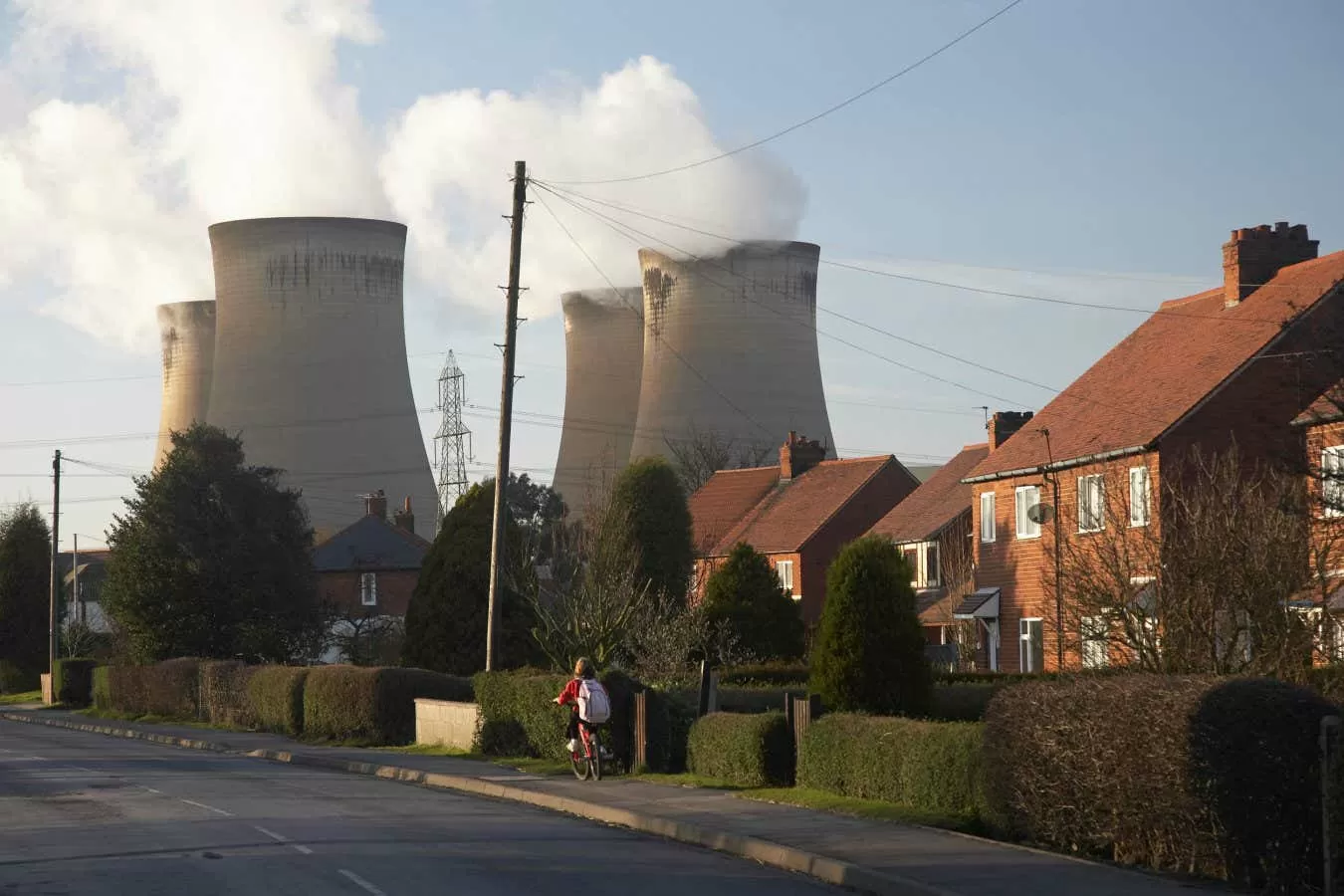
The concept of capturing carbon from burning biomass has gained significant attention and support from governments, environmental organizations, and the public. It is seen as a viable solution to combat climate change, as it not only reduces CO2 emissions but also utilizes renewable energy sources. The flagship project of this solution was the Drax Power Station in the United Kingdom, which planned to capture and store 90% of its CO2 emissions. However, recent developments have cast doubt on the feasibility of this project.
The main issue with the Drax Power Station project is its high cost. The estimated cost of capturing and storing the carbon is around £1 billion, which is a significant financial burden for the company. This has led to delays and uncertainties in the project, with the company now considering alternative solutions. This setback has raised concerns about the viability of capturing carbon from burning biomass as a whole.
Despite the challenges faced by the Drax Power Station project, it is important to note that this is not the only project of its kind. There are other ongoing projects around the world, such as the Boundary Dam Carbon Capture Project in Canada and the Petra Nova Carbon Capture Project in the United States. These projects have shown promising results, with the Boundary Dam project successfully capturing and storing 90% of its CO2 emissions. This proves that the concept of capturing carbon from burning biomass is indeed feasible and effective.
Moreover, the technology used in these projects is constantly evolving and improving, making it more efficient and cost-effective. As more research and development are being conducted in this field, we can expect to see even better results in the future. This gives hope that the flagship project of capturing carbon from burning biomass may still happen, albeit with some delays and challenges.
It is also worth mentioning that capturing carbon from burning biomass is not the only solution to combat climate change. It should be seen as a part of a larger strategy that includes reducing emissions from other sources, promoting renewable energy, and implementing sustainable practices. We cannot solely rely on one solution to save the planet; it requires a collective effort from all sectors of society.
In conclusion, while the flagship project of capturing carbon from burning biomass may face challenges and delays, it is not the end of this solution. The concept has shown promising results and has the potential to make a significant impact in reducing CO2 emissions. As technology continues to advance and costs decrease, we can expect to see more successful projects in the future. It is crucial that we continue to support and invest in this solution, along with other efforts, to combat climate change and save our planet. After all, it is our responsibility to ensure a sustainable future for generations to come.
