
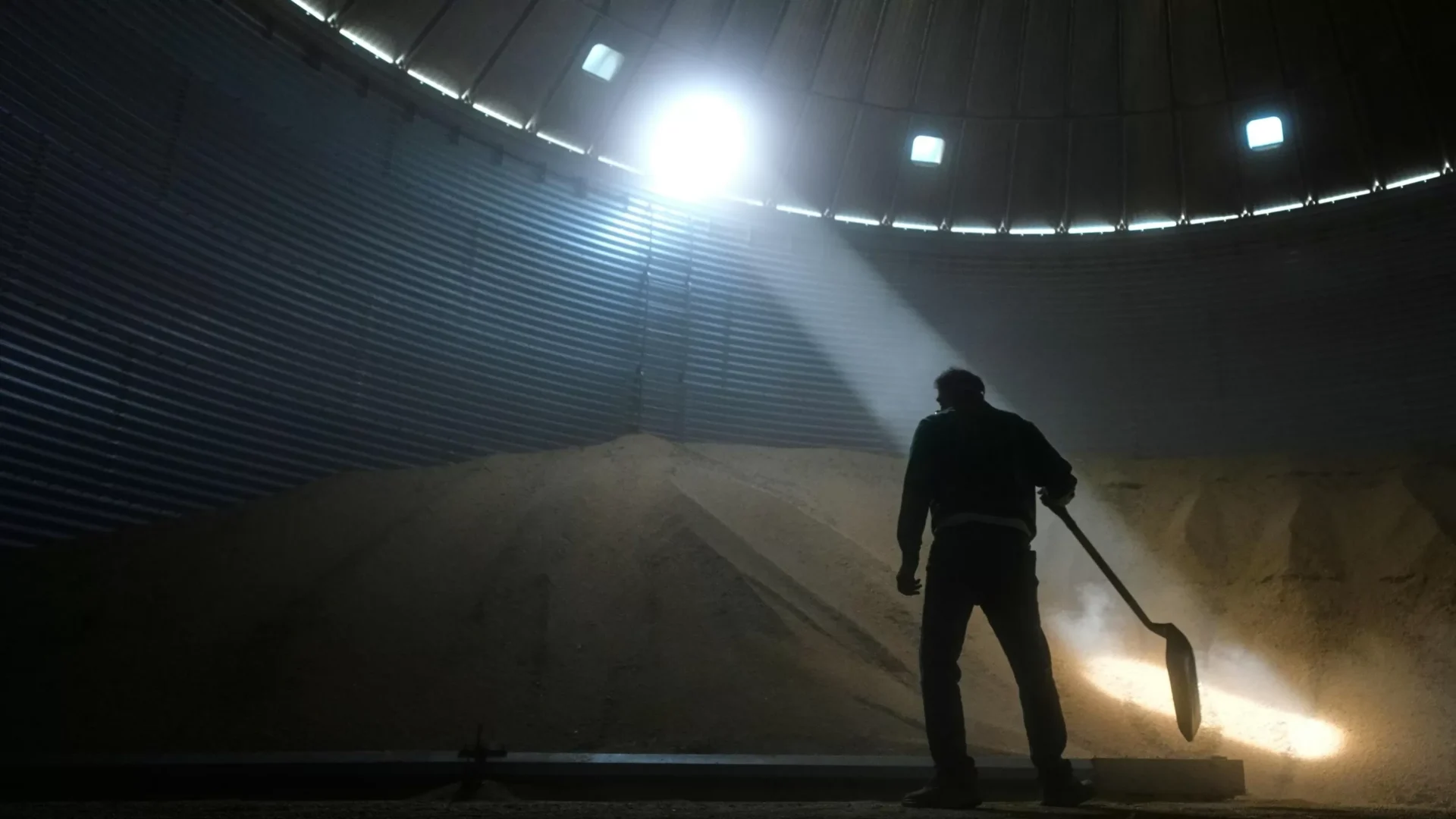
The Midwest region of the United States is known for its vast farmlands and agricultural production. Among the many crops grown in this area, soybeans have always been a staple for Midwest farmers. However, in recent years, these farmers have been facing a multitude of challenges, creating a daunting situation for them.
One of the most significant issues that Midwest soybean farmers are currently grappling with is the ongoing trade war between the United States and China. China, being the world’s largest soybean importer, has imposed tariffs on U.S. soybeans, resulting in a significant decrease in exports to the country. This has had a severe impact on the prices of soybeans, leading to a decline in profits for the farmers. The uncertainty and unpredictability caused by this trade war have made it difficult for farmers to plan and invest in their crops, adding to their already mounting concerns.
In addition to the trade war, Midwest soybean farmers are also facing difficulties due to the adverse weather conditions. The region has experienced extreme weather events such as floods, droughts, and heavy storms in recent years, severely affecting the soybean crops. These conditions not only damage the crops but also make it challenging to plant and harvest them, resulting in lower yields and increased production costs. The farmers have been left struggling to cope with the aftermath of these weather events, which have a significant impact on their livelihoods.
Furthermore, the rising costs of production have also become a significant burden for Midwest soybean farmers. The prices of inputs such as seeds, fertilizers, and machinery have been steadily increasing, making it more challenging for farmers to maintain their profit margins. This, coupled with the declining prices of soybeans, has put a strain on the financial stability of many farmers. As a result, some have had to resort to taking out loans and cutting back on essential expenses, which can have long-term consequences for their businesses.
Another issue that has been plaguing Midwest soybean farmers is the threat of pests and diseases. These can lead to crop failures and significant losses for farmers. Despite their best efforts to protect their crops, the changing climate has made it difficult to predict and prevent these outbreaks. This has not only affected the yield of soybeans but has also added to the farmers’ financial burden as they have to invest in pest control measures.
It is clear that Midwest soybean farmers are facing an array of compounding issues that are making their already challenging profession even more daunting. However, amidst all these challenges, the resilience and determination of these farmers have not wavered. They continue to work tirelessly to provide for their families and contribute to the nation’s food supply.
Moreover, the support and assistance from the government and various organizations have been crucial in helping these farmers navigate through these difficult times. The government has implemented programs and initiatives to aid farmers in dealing with the effects of the trade war and adverse weather conditions. Organizations such as the Midwest Soybean Association have also been working closely with farmers to provide resources, guidance, and solutions to the issues they face.
Despite the challenges, there is a sense of optimism and hope among Midwest soybean farmers. They have been adapting to the ever-changing environment and implementing new techniques and technologies to increase their productivity and reduce their costs. Many farmers have also diversified their crops, reducing their dependence on soybeans and providing a more stable income.
In conclusion, Midwest soybean farmers are facing a tough road ahead, but their resilience and determination continue to shine through. They are not giving up, and with the support of the government and various organizations, they are finding ways to overcome the compounding issues they face. As consumers, we must also do our part by supporting local farmers and understanding the challenges they are facing. Together, we can help Midwest soybean farmers weather the storm and continue to provide for our nation’s food supply.
