
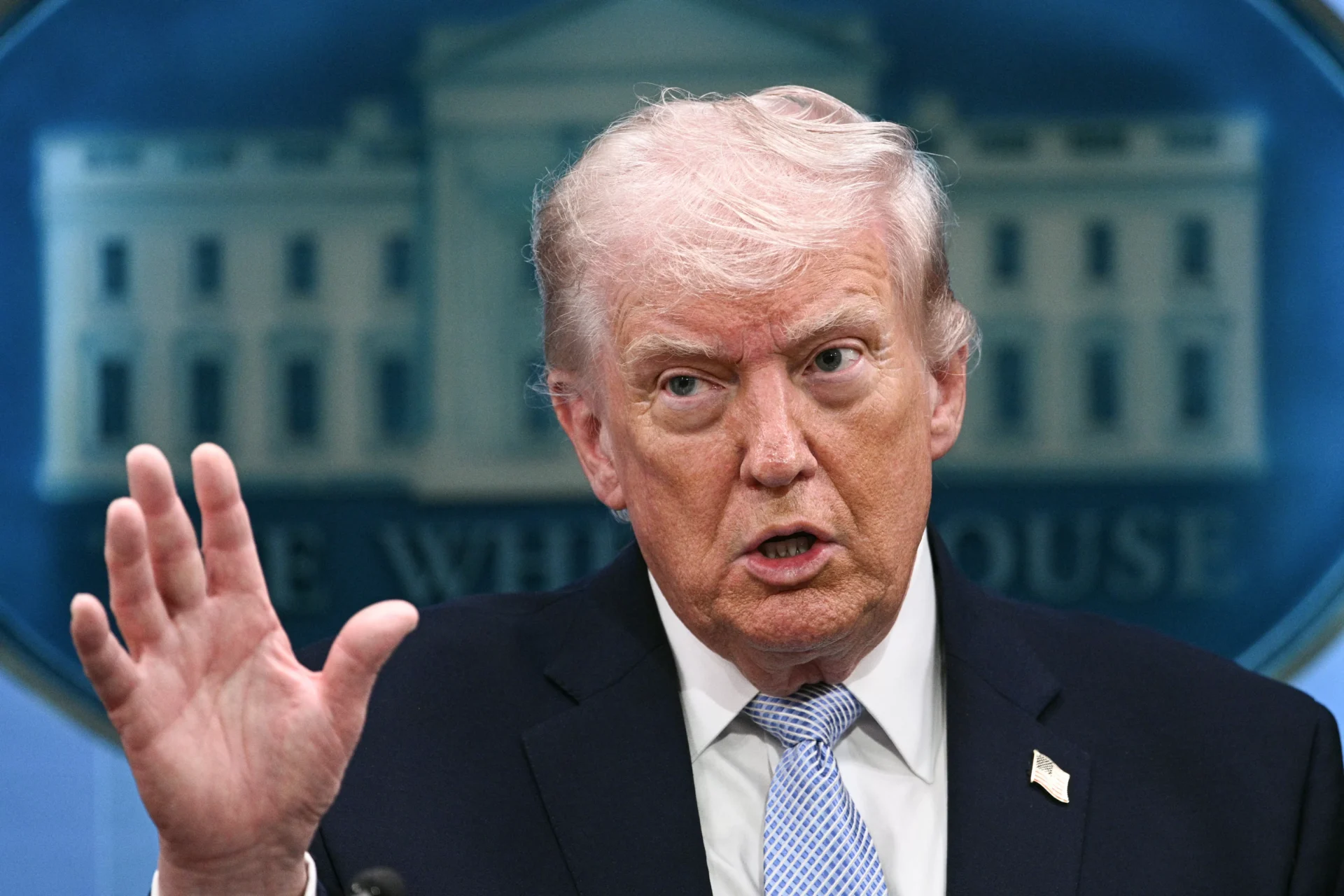
The recent statement made by the President of the United States, threatening to obliterate Iran, has caused quite a stir in the international community. Many have condemned this aggressive rhetoric, including a recent editorial which stated that this marks the “descent into corporate evil” for the United States.
The editorial, published in a leading newspaper, highlighted the dangerous implications of such a statement. It not only undermines the principles of diplomacy and peaceful resolution of conflicts, but also sets a dangerous precedent for future interactions with other nations. The use of such aggressive language only serves to escalate tensions and increase the risk of a potential military conflict.
The editorial further pointed out that this statement goes against the very values that the United States claims to uphold. The country has always prided itself on being a champion of democracy, freedom, and human rights. However, the threat to obliterate a sovereign nation goes against these very principles and paints a disturbing picture of the country’s moral compass.
Moreover, the editorial highlighted the role of corporate interests in shaping the foreign policy of the United States. It stated that this threat to obliterate Iran is not driven by genuine concerns for national security, but rather by the interests of corporations who stand to benefit from a potential war. This is a dangerous trend that has been observed in the past, where corporate greed has influenced political decisions, often at the cost of innocent lives.
The editorial also raised concerns about the impact of such statements on the global perception of the United States. The country has always been seen as a leader on the world stage, promoting peace and stability. However, this recent statement has tarnished that image and has raised questions about the country’s true intentions. It is a sad reality that the actions of a few can have a significant impact on the reputation of a nation.
Furthermore, the editorial emphasized the need for responsible leadership in times like these. The President’s words carry weight and have the power to shape the course of international relations. It is crucial for leaders to exercise caution and restraint when making statements that can have far-reaching consequences. The editorial urged the President to reconsider his words and adopt a more diplomatic approach in dealing with sensitive issues.
In conclusion, the editorial’s scathing criticism of the President’s threat to obliterate Iran is a wake-up call for the United States. It is a reminder that the country must stay true to its values and principles, and not let corporate interests dictate its foreign policy. The world is watching, and it is essential for the United States to uphold its reputation as a responsible and ethical global leader. Let us hope that this incident serves as a lesson and that the country takes steps to rectify its course before it’s too late.
