
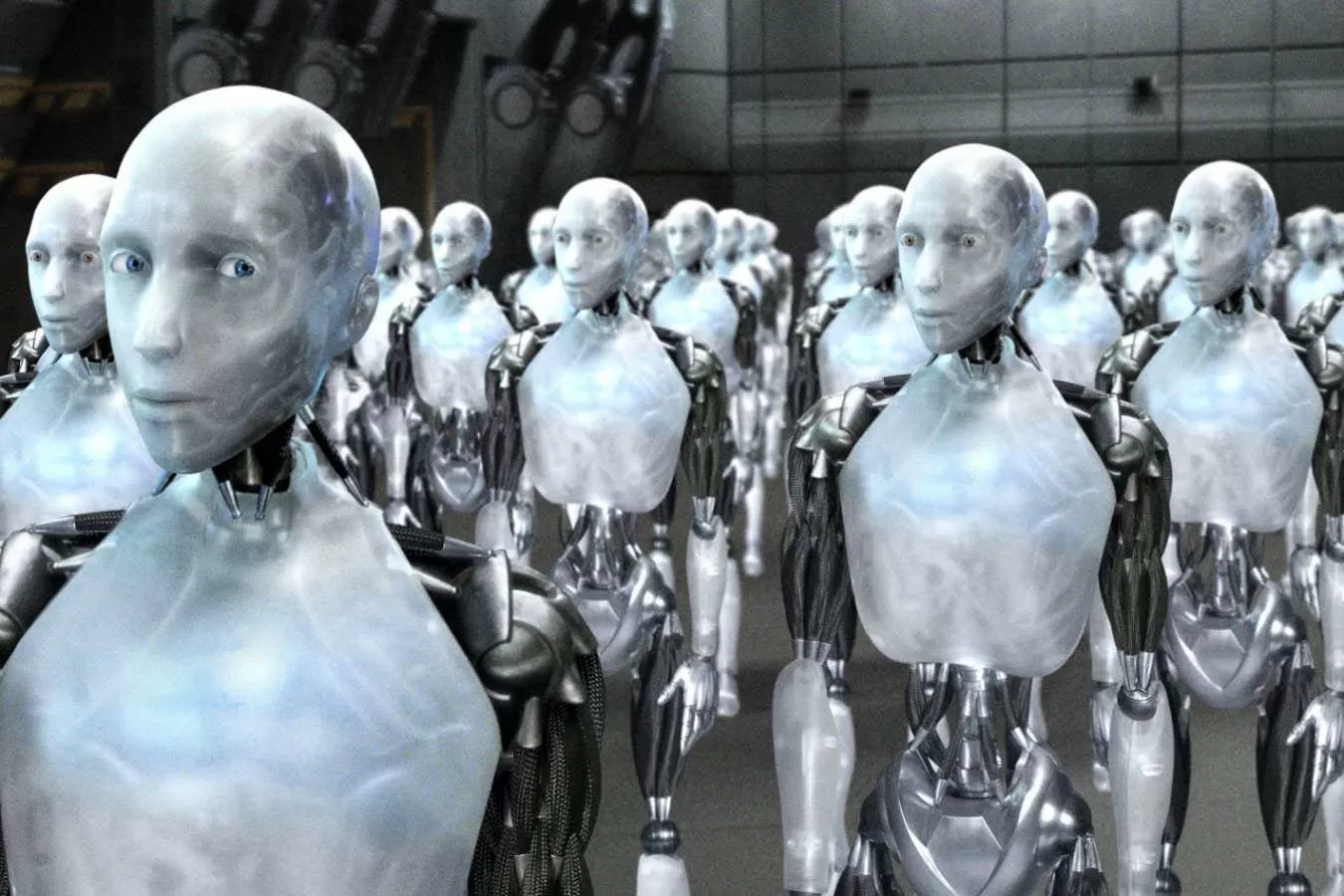
In recent years, there has been growing concern among the public about the potential dangers of artificial intelligence (AI). Many of us have been exposed to countless science fiction stories and movies, depicting a future where machines have risen up to wipe out humanity. This fear is understandable, but what is the real risk? Is it possible that AI could pose a threat to our existence? Let us delve into this topic and see what the experts have to say.
Firstly, it is important to understand what exactly we mean by artificial intelligence. Simply put, it is the ability of a computer or machine to imitate intelligent human behavior. Through complex algorithms and learning capabilities, AI enables machines to perform tasks that typically require human intelligence, such as problem-solving, decision-making, and even creative endeavors.
The advancement of AI technology has undoubtedly brought about significant benefits in various industries, from healthcare to transportation. But with the rapid development and integration of AI in our daily lives, many have raised concerns about the potential consequences of this technology. The fear of a possible uprising of AI against humanity continues to persist, fueled by popular culture and the media.
However, the majority of AI experts dismiss these fears as nothing more than sensationalist hype. They argue that the notion of AI becoming hostile towards humans is far-fetched and that our current understanding and capabilities of AI are still limited. In fact, many experts believe that AI’s potential for good far outweighs any potential risks.
One of the main reasons for this optimism is the fact that AI technology is designed and developed by humans. In other words, it is only as dangerous as the intentions of those who create it. This means that we have the power and responsibility to ensure that AI is used ethically and for the betterment of society.
Moreover, AI systems rely on data and algorithms to function effectively. This means that if these systems were to act on their own, without human intervention, they would only be able to act within the parameters of the data and algorithms they have been given. In other words, they do not possess the ability to think for themselves, nor do they have the desires or emotions that are often depicted in movies.
Furthermore, AI technology requires a vast amount of computing power and resources to operate. It is estimated that the energy consumption of AI systems is equivalent to the energy used by a small city. This makes it highly unlikely that a rogue AI entity could take over the world and pose a physical threat to humanity.
But what about the fear that AI could surpass human intelligence and take control of the world? This idea, known as the “singularity,” has been a recurring theme in science fiction and has sparked many debates among experts. Some see it as a potential existential threat, while others argue that it is a highly unlikely scenario.
In reality, AI systems are designed to perform a specific set of tasks and cannot suddenly gain consciousness or develop their own set of goals. Additionally, the development of AI is a slow and iterative process, with continuous improvements and adjustments being made. This makes it highly improbable that AI could suddenly surpass human intelligence in a matter of seconds, as often portrayed in movies and television shows.
In the field of AI research, there are strict ethical guidelines and regulations in place to ensure the responsible development and use of this technology. As AI continues to evolve and integrate into our society, it is crucial for us to have transparency and accountability in how it is being used. It is the responsibility of both developers and regulators to ensure that AI is used for the betterment of humanity and not for malicious purposes.
In conclusion, fears about AI uprising and the potential threat to humanity are largely unfounded. While it is essential to consider the potential risks of any new technology, it is equally important to acknowledge the immense potential of AI to improve our lives and society. With responsible development, regulation, and a clear understanding of AI’s capabilities, we can continue to reap the benefits of this rapidly advancing technology. Let us embrace the possibilities and potential of AI and work towards a future where it is used for the greater good.
