
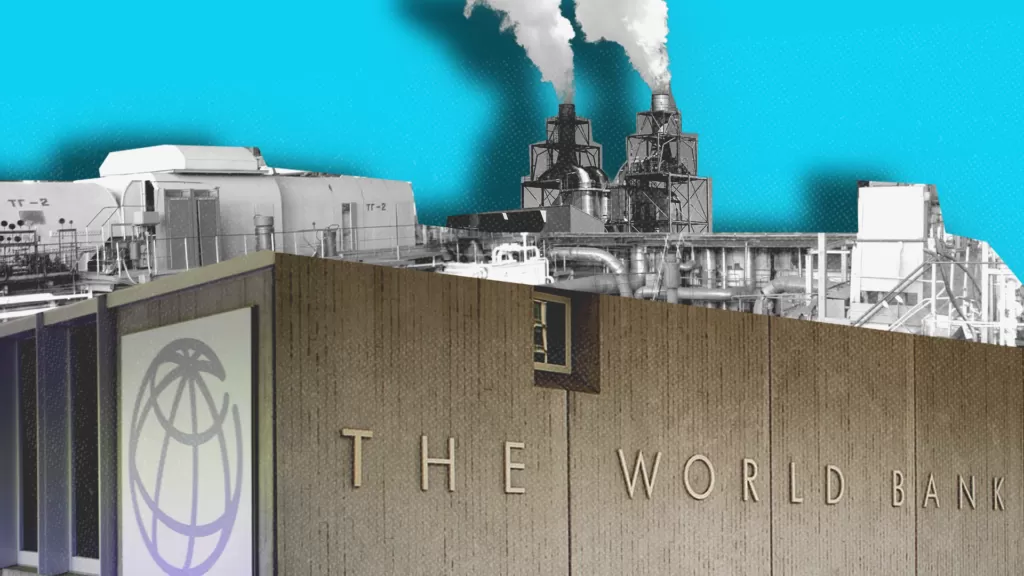
The recent reversal in certain companies’ economic strategies has left many investors and analysts scratching their heads. After years of focusing solely on profit and market share, these companies have suddenly shifted their priorities towards industrial policy. This change has sparked much debate and speculation, with some praising the move and others questioning its impact. However, one thing is for sure – this reversal was not due to a change in economic conditions, but rather a shift in mindset among their biggest shareholders.
For decades, the world of business has been driven by the pursuit of profit and growth. Companies have been solely focused on increasing their bottom line and dominating the market. However, in recent years, there has been a growing realization that this approach is not sustainable in the long run. The effects of climate change and social inequality have become impossible to ignore, and consumers are demanding more from the companies they support. In this changing landscape, it is no surprise that shareholders are beginning to take a more active role in shaping the direction of the companies they invest in.
One of the most significant shifts in this regard has been towards industrial policy. This term refers to a set of government actions and policies that aim to promote the growth and development of specific industries. In the past, this was seen as the responsibility of governments, but now, shareholders are recognizing the crucial role they can play in driving industrial policy. By aligning their investments with their values and pushing for change within the companies they own, shareholders are taking a proactive approach towards creating a more sustainable and equitable economy.
One of the key drivers behind this change has been the increasing awareness of the impact of business on the environment. Shareholders, especially institutional investors, are under pressure from their clients and stakeholders to invest in companies that are actively working towards reducing their carbon footprint and promoting sustainable practices. This has led to a push for companies to adopt more environmentally-friendly policies and invest in renewable energy sources. By doing so, companies not only contribute to a greener future but also position themselves as leaders in their industries.
Moreover, shareholders are also recognizing the importance of social responsibility. In today’s interconnected world, companies are expected to not only generate profits but also contribute positively to society. Shareholders are using their influence to push companies to adopt fair labor practices, promote diversity and inclusion, and give back to their communities. This shift towards a more socially responsible approach is not only beneficial for society but also for the companies themselves. Studies have shown that companies with a strong sense of social responsibility tend to have better financial performance and are more attractive to consumers.
Another factor contributing to the shift towards industrial policy is the growing concern over economic inequality. Shareholders are increasingly aware that the pursuit of profit at all costs can lead to a widening wealth gap and social unrest. By advocating for policies that promote a more equitable distribution of wealth, shareholders are not only fulfilling their social responsibility but also safeguarding their investments. A more balanced and stable economy is beneficial for all stakeholders, including shareholders.
Furthermore, the COVID-19 pandemic has also played a significant role in this shift towards industrial policy. The crisis has exposed the vulnerabilities of the global economy, and shareholders are realizing that a more diversified and resilient approach is needed. This has led to a push for companies to invest in domestic industries and reduce their reliance on global supply chains. By doing so, companies can not only mitigate risks but also contribute to the growth and development of their local economies.
In conclusion, the recent reversal in certain companies’ economic strategies is a reflection of the changing priorities among their biggest shareholders. The shift towards industrial policy is a positive development that will not only benefit society but also lead to more sustainable and profitable businesses. Shareholders are recognizing their power and influence in shaping the future of the companies they invest in, and are using it to drive positive change. As we move towards a more socially responsible and sustainable economy, it is crucial for all stakeholders, including shareholders, to work together towards a common goal – a better future for all.
