
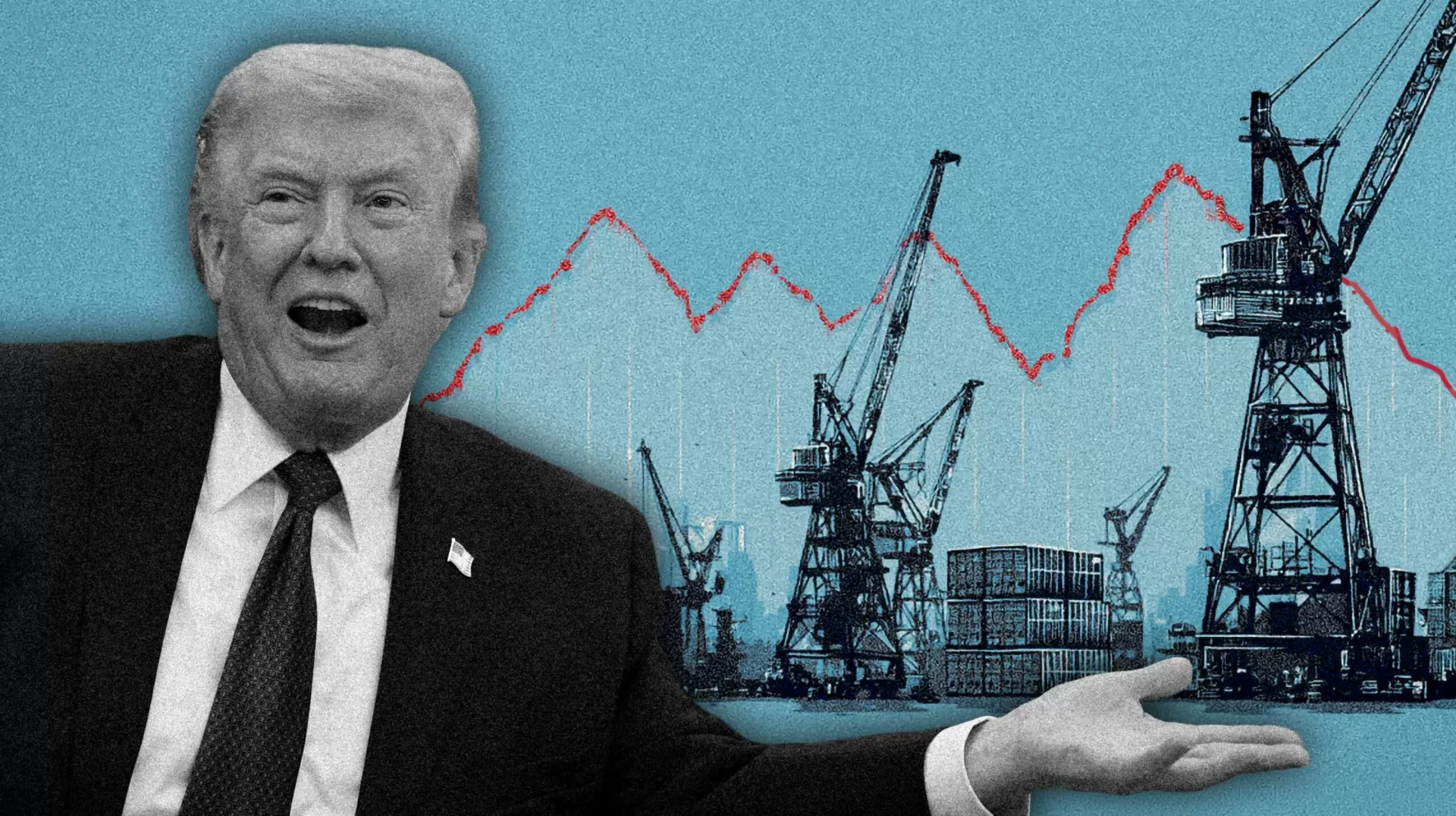
In the past year, over 89,000 manufacturing workers have lost their jobs due to rising input prices as a result of tariffs. This has had a devastating impact on blue-collar industries and their employees. The effects of these job losses have been felt not only in the manufacturing sector, but throughout the entire economy. The situation has caused concern and uncertainty among workers and business owners alike.
The implementation of tariffs, particularly on steel and aluminum imports, has caused a significant increase in input costs for American manufacturers. This, in turn, has led to job losses as businesses struggle to maintain profitability. Many companies have been forced to cut their workforce in order to stay afloat, resulting in the loss of skilled workers and a decrease in productivity. The impact has been particularly hard on the blue-collar workers who make up a large percentage of the manufacturing industry.
The manufacturing sector has always been an important contributor to the American economy, providing steady employment and valuable products. However, the recent job losses have highlighted the vulnerability of this industry and the need for action to protect it. It is clear that the current situation is not sustainable and something must be done to address the issue.
The loss of 89,000 jobs is not just a number, it represents real people with families and livelihoods that have been affected. These individuals have worked hard and dedicated their lives to their jobs, and now they find themselves without work. This can lead to financial difficulties and emotional stress, not only for the workers but also for their families. The impact of these job losses goes beyond the individuals and extends to the entire community.
The situation has been further compounded by the fact that many of the affected workers do not have the necessary skills to transition to other industries. So not only have they lost their jobs, but they also face the challenge of finding alternative employment. This can be a daunting task, especially for those who have spent their entire careers in the manufacturing sector.
The ripple effect of these job losses is also being felt by other industries. As workers have less disposable income, they are less likely to spend on goods and services, which slows down the economy. This not only affects businesses, but also the government as it collects less tax revenue. It is a vicious cycle that can have long-lasting effects on the overall economy.
However, it is not all doom and gloom. There is hope that the situation can be reversed and the manufacturing sector can regain its strength. One solution that has been proposed is the negotiation of trade deals that will eliminate or reduce tariffs on imported goods. This would lower input costs for manufacturers and make them more competitive in the global market. Additionally, investing in training and education programs for workers can also help them acquire new skills and transition to other industries.
Another important step towards revitalizing the manufacturing industry is for the government to provide support and incentives for businesses. This could include tax breaks and subsidies that would help offset the impact of higher input costs. It is also crucial for the government to work with businesses and create policies that promote growth and innovation within the industry.
Despite the challenges that the manufacturing industry is facing, there is still a lot of potential for growth and success. American manufacturers are known for their quality products and skilled workforce, and with the right support and policies, they can continue to thrive. The recent job losses may have been a setback, but they should not be seen as the end. This is an opportunity for the industry to adapt and evolve, and for workers to acquire new skills and explore new opportunities.
In conclusion, the loss of 89,000 manufacturing jobs in the past year due to tariffs has been a hard blow for the industry and its workers. However, with the right measures in place, this setback can be overcome. It is important for the government and businesses to work together towards finding solutions that will benefit the industry and its workers. Let us not forget the hardworking men and women who have been affected by these job losses, and let us work towards creating a brighter future for them and the manufacturing industry as a whole.
