
Traditional encryption methods have been the foundation of secure communication for decades. From confidential government information to personal banking transactions, we rely heavily on encryption to keep our data safe from prying eyes. But as technology continues to advance at an astonishing pace, so do the methods used to break traditional encryption.
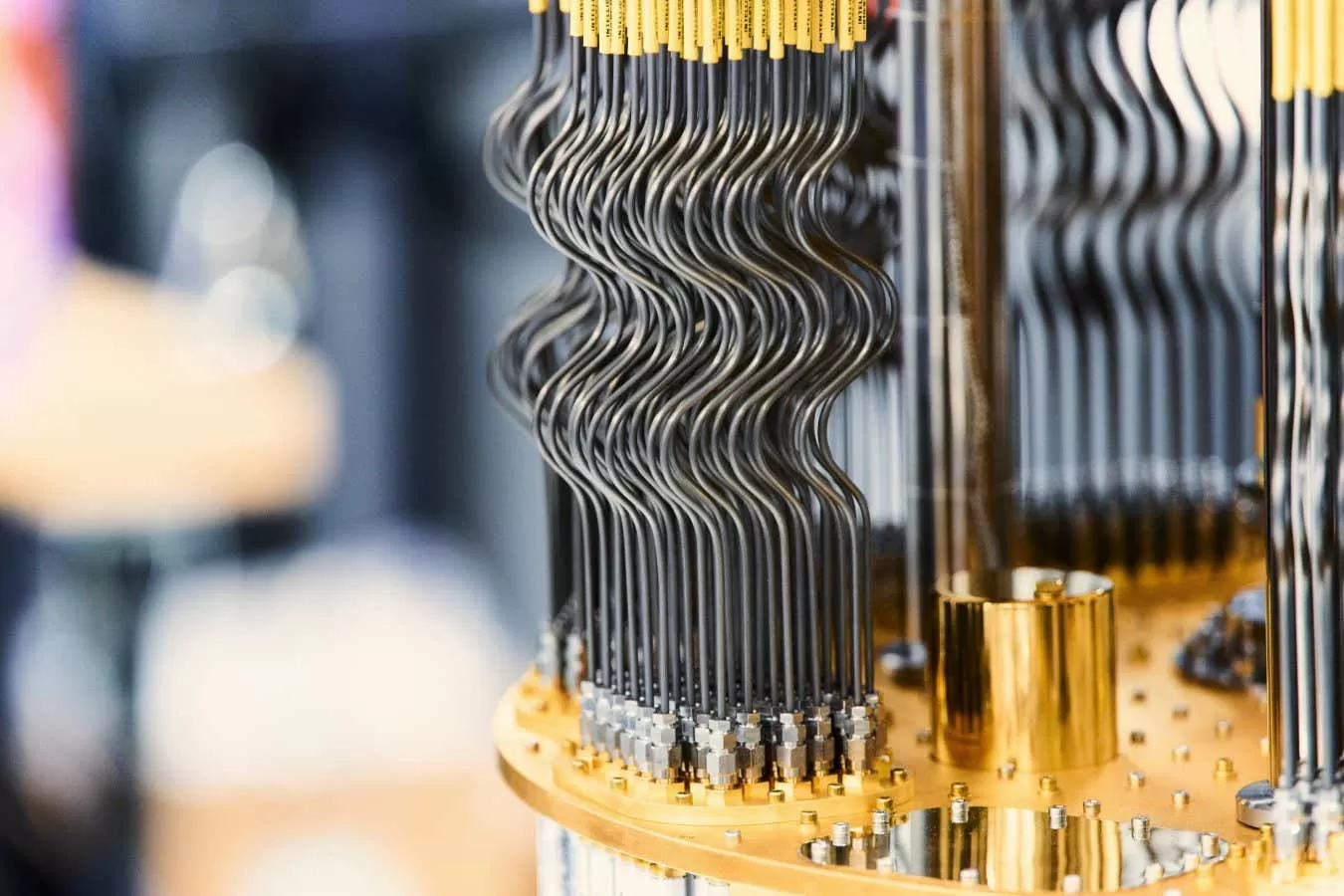
One of the biggest threats to traditional encryption today is the development of quantum computers. These powerful machines have the potential to break current encryption methods in a matter of seconds, rendering them useless in protecting our data. This has raised concerns about the security of our information and has sparked a race to develop new encryption methods that can withstand the power of quantum computing.
However, two recent analyses have shed new light on this issue, suggesting that a capable enough quantum computer may be built much sooner than previously thought. This could potentially make traditional encryption methods vulnerable much earlier than anticipated, and it is a wakeup call for the need to act fast in finding a solution.
The first analysis, published in the journal Nature, was conducted by a team of researchers at the Massachusetts Institute of Technology (MIT) and Harvard University. They have found a way to build quantum bits, or qubits, which are the building blocks of quantum computers, that are more stable and less prone to errors. This is a significant breakthrough as stability and accuracy have been major challenges in the development of quantum computers.
The second analysis, conducted by a team at the University of California, Berkeley, has shown that a quantum computer with just 20 million qubits could, in theory, break current encryption methods. This may seem like a large number, but considering the rapid advancements in quantum computing technology, it may not be that far-fetched. To put this into perspective, today’s supercomputers have only a few thousand qubits.
So, what does this mean for traditional encryption methods? It means that time is running out, and we need to act fast in finding a solution. The development of new encryption methods is crucial, and researchers and industry experts are already working on it. One possible solution is the use of quantum-resistant algorithms, which are designed to withstand attacks from quantum computers.
Another approach is to use quantum key distribution (QKD). This method uses the principles of quantum mechanics to produce unbreakable encryption keys that are shared between the sender and receiver. Any attempt to intercept the keys would be immediately detectable, making it impossible for hackers to access the data.
Some companies have already started implementing QKD technology, and while it may not be a widespread solution yet, it is a step in the right direction. It is clear that traditional encryption methods will not be able to keep up with the advancements in quantum computing, and we need to adapt quickly to the changing landscape.
The good news is that the development of quantum computers also brings new possibilities for encryption. Quantum encryption methods, such as quantum cryptography, use the laws of quantum mechanics to create completely secure communication channels. These methods are not vulnerable to attacks from quantum computers and offer a promising solution for the future.
In addition to developing new encryption methods, it is also crucial to invest in research and development of quantum-resistant technologies. This will not only help in protecting our data but also pave the way for advancements in other fields, such as medicine, finance, and transportation.
There is no denying that the threat of quantum computing on traditional encryption methods is real and imminent. But instead of fearing this change, we should see it as an opportunity to innovate and develop new solutions that will make our data even more secure. The recent analyses have shown that the timeline for the development of a capable quantum computer is much shorter than previously thought, and it is up to us to stay ahead of the game.
We are living in a time where technology is advancing at an unprecedented pace, and it is crucial to keep up with these changes. The development of quantum computers may pose a threat to traditional encryption methods, but it also opens up a world of possibilities for stronger and more secure encryption. It is time to embrace this change and work towards a safer and more secure future for our data.
