
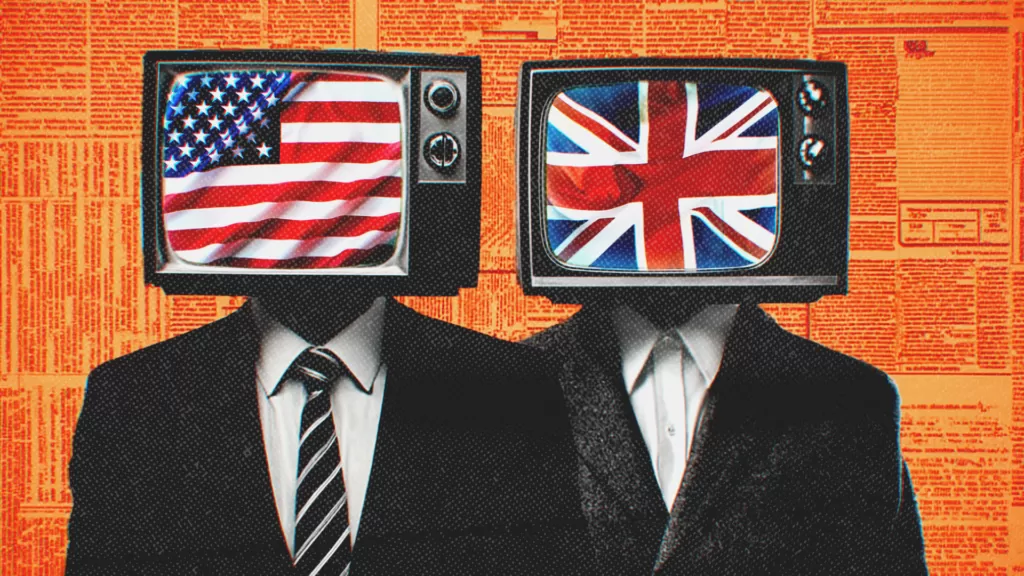
The United Kingdom has recently announced that it will no longer investigate “legal” social media posts, a move that has been welcomed by free speech advocates. However, these advocates are demanding more change to protect the fundamental right to free speech.
In a statement released by the U.K. government, it was stated that the Crown Prosecution Service (CPS) will no longer pursue cases against individuals for posting offensive, indecent, or obscene material on social media platforms, as long as the content does not violate any specific laws. This decision comes after a review of the CPS’s guidance on social media prosecutions, which was prompted by concerns over the misuse of laws intended to protect against online harassment and abuse.
This announcement has been met with applause from those who have long been fighting for the protection of free speech. The right to express oneself, even if it may be offensive to some, is a cornerstone of a democratic society. It allows for the exchange of ideas and opinions, and promotes diversity and tolerance. Therefore, the U.K.’s decision to stop investigating “legal” social media posts is a step in the right direction.
However, free speech advocates are not completely satisfied with this change. They argue that the CPS’s guidance still leaves room for interpretation and could potentially lead to the prosecution of individuals for expressing their opinions. They are calling for more concrete measures to be put in place to safeguard free speech on social media.
One of the main concerns is the use of vague and subjective terms such as “grossly offensive” or “obscene” in the CPS’s guidance. These terms can be interpreted differently by different individuals, and this could lead to the prosecution of individuals for expressing their opinions, even if they are not violating any specific laws. Free speech advocates are urging the government to provide clearer definitions of these terms to prevent any potential misuse.
Another issue that has been raised is the lack of protection for satire and parody. The CPS’s guidance states that “humorous” content will not be prosecuted, but this leaves room for interpretation and could potentially lead to the prosecution of individuals for satirical or parody content. Free speech advocates are calling for a clear exemption for satire and parody to be included in the guidance to ensure that individuals are not penalized for expressing their creativity and humor.
Furthermore, there are concerns about the potential for self-censorship on social media platforms. The fear of being investigated or prosecuted for expressing one’s opinions could lead to individuals refraining from sharing their thoughts and ideas, ultimately stifling free speech. Free speech advocates are calling for the government to provide reassurance to individuals that they can freely express themselves without fear of repercussions.
In addition to these demands, free speech advocates are also calling for the repeal of certain laws that they believe are being misused to suppress free speech. One such law is the Communications Act of 2003, which makes it an offense to send a message that is “grossly offensive or of an indecent, obscene, or menacing character.” This law has been used to prosecute individuals for social media posts, and free speech advocates argue that it is too broad and open to abuse.
In conclusion, the U.K.’s decision to stop investigating “legal” social media posts is a positive step towards protecting free speech. However, there is still more that needs to be done to ensure that individuals can freely express themselves without fear of prosecution. Free speech advocates are calling for clearer definitions, exemptions for satire and parody, and the repeal of certain laws to safeguard this fundamental right. It is crucial for the government to listen to these demands and take action to protect free speech on social media. Only then can we truly have a society that values diversity, tolerance, and the exchange of ideas.
